
City Resilience Hack names winning solutions to strengthen cities’ crisis resilience
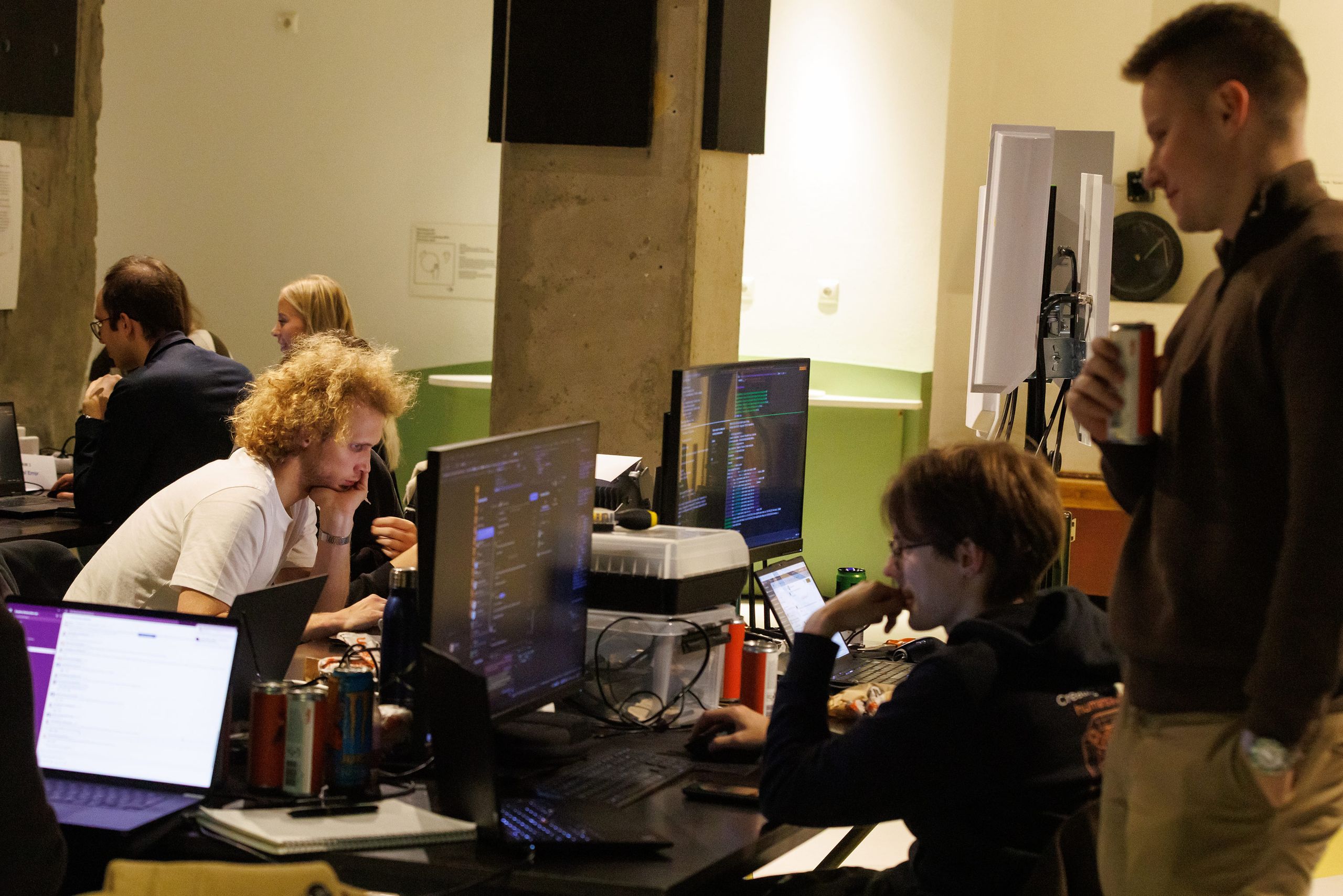
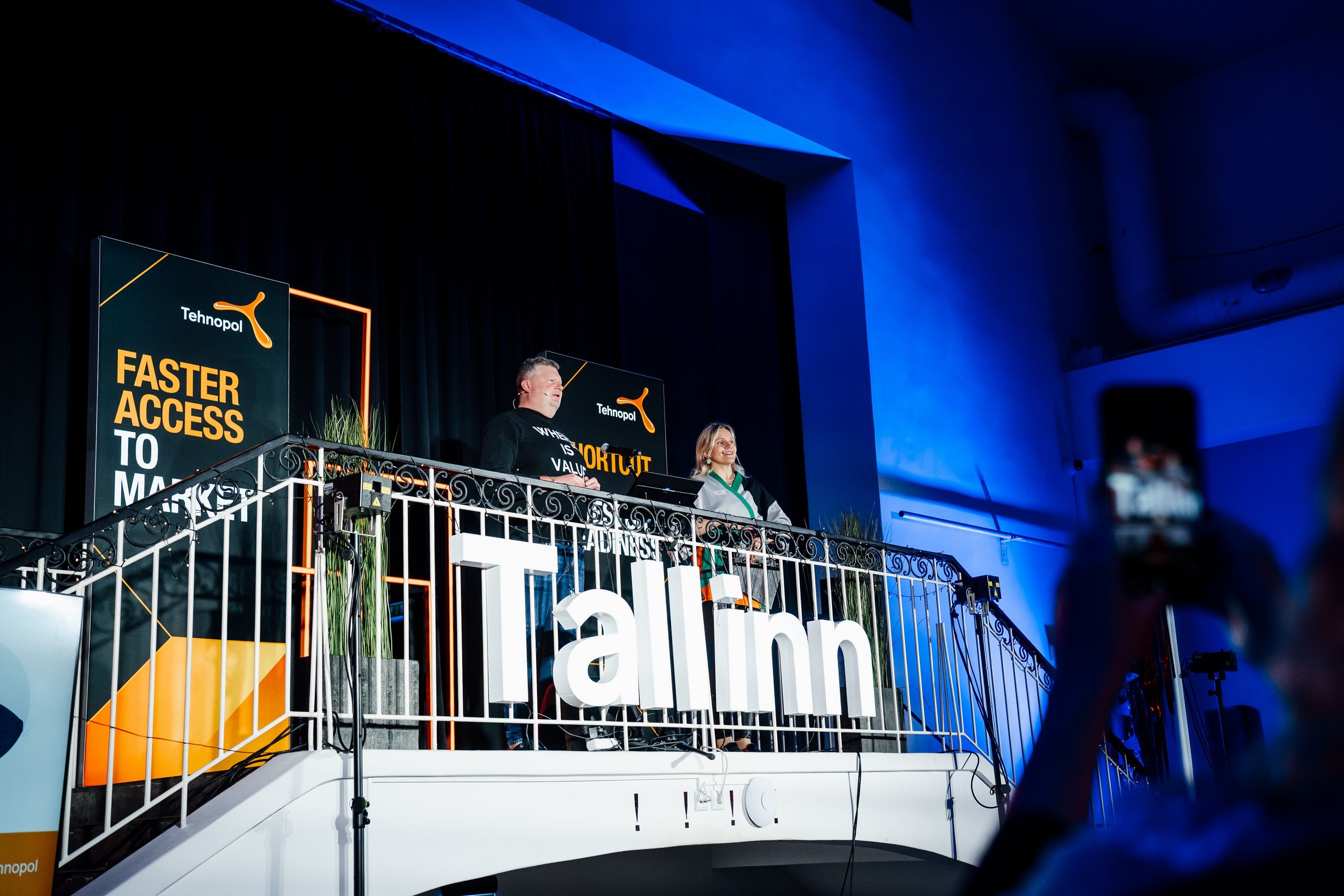
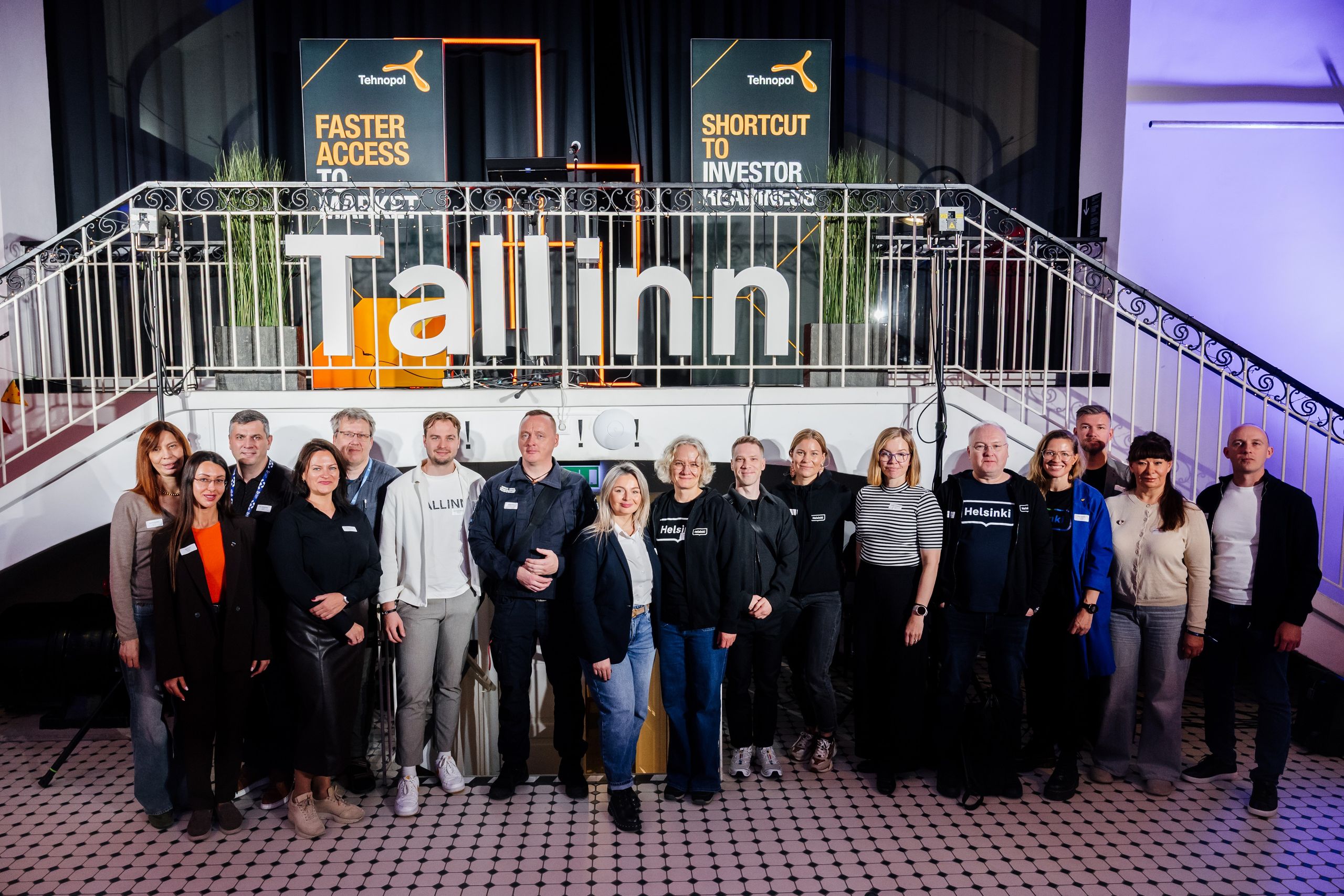
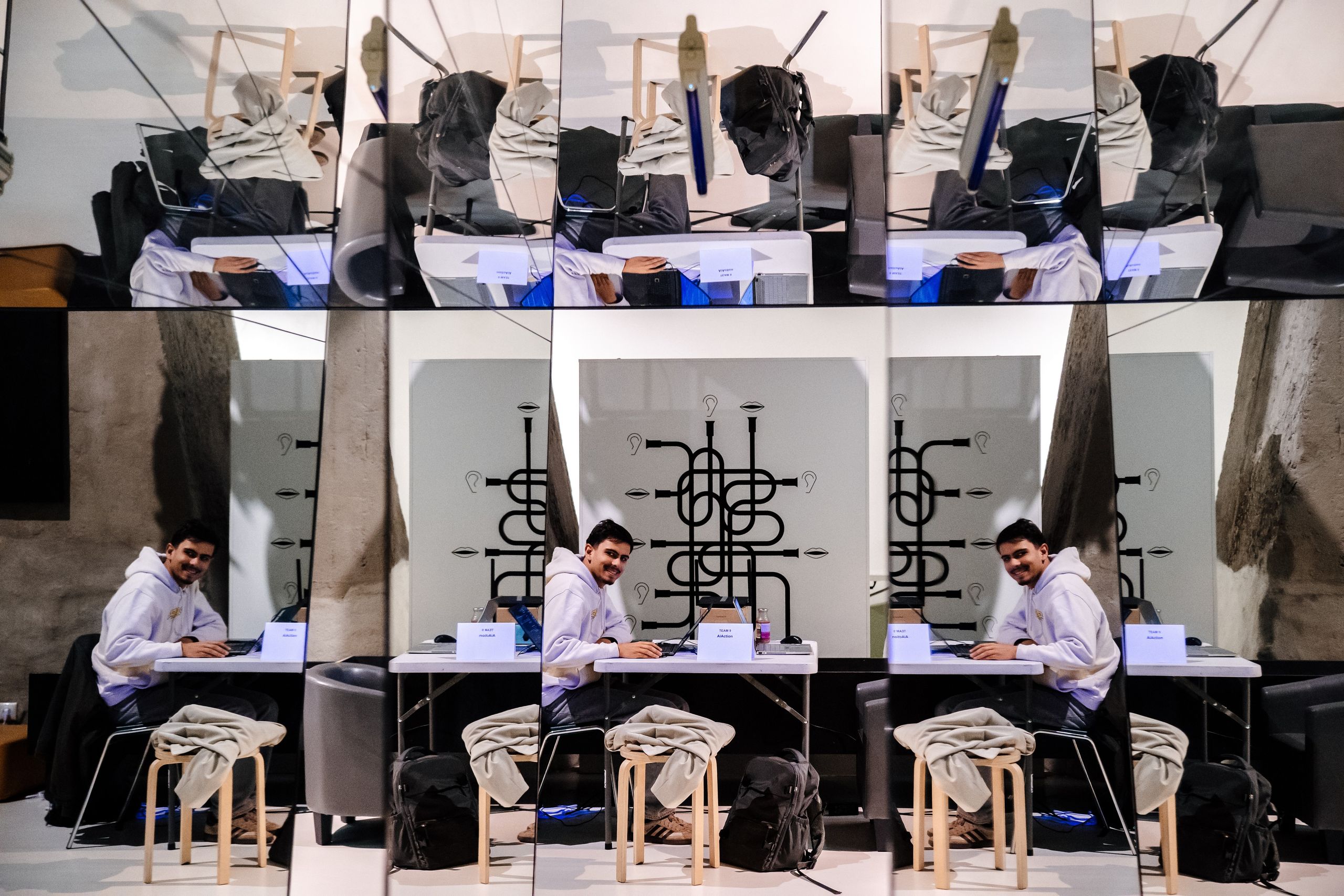
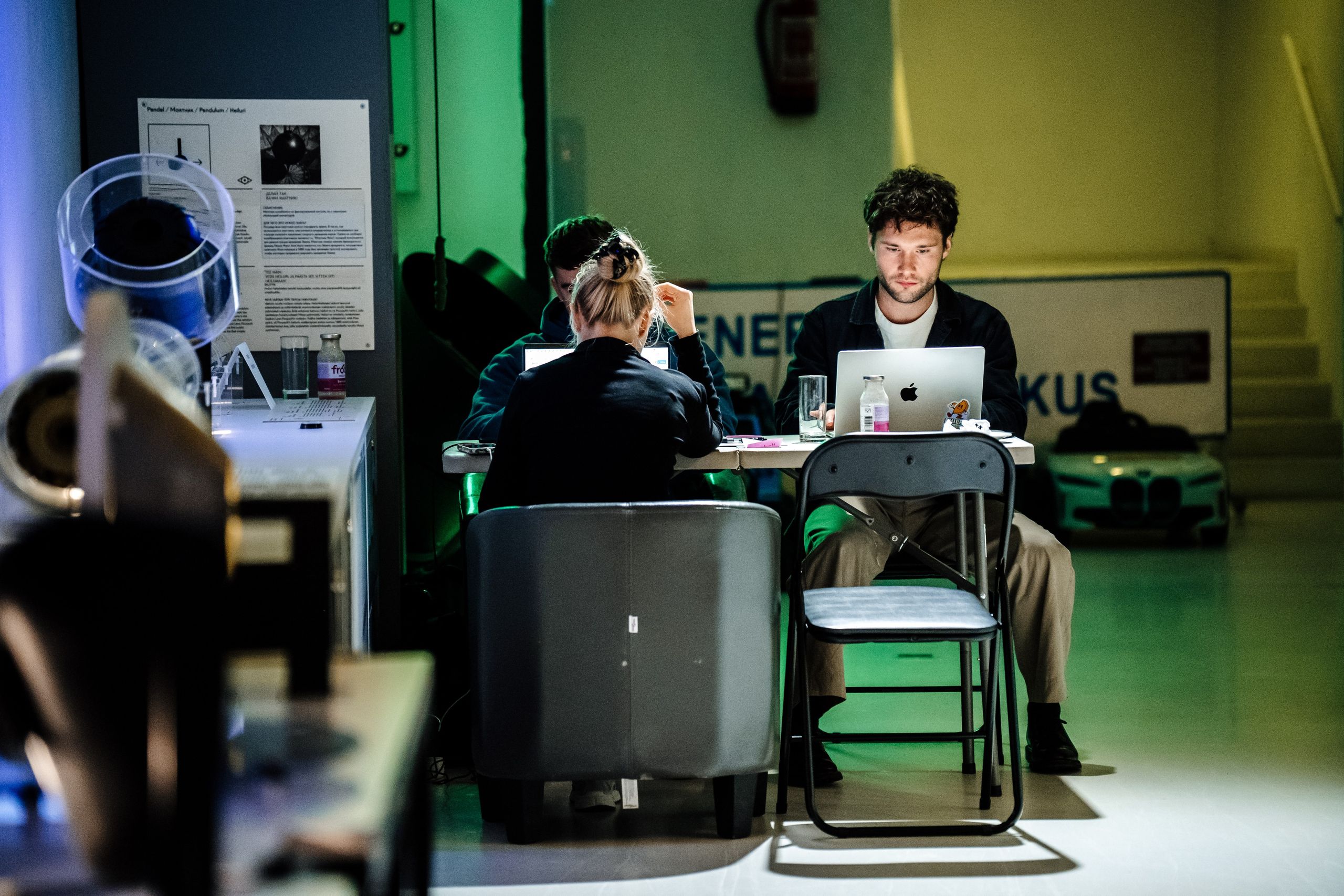
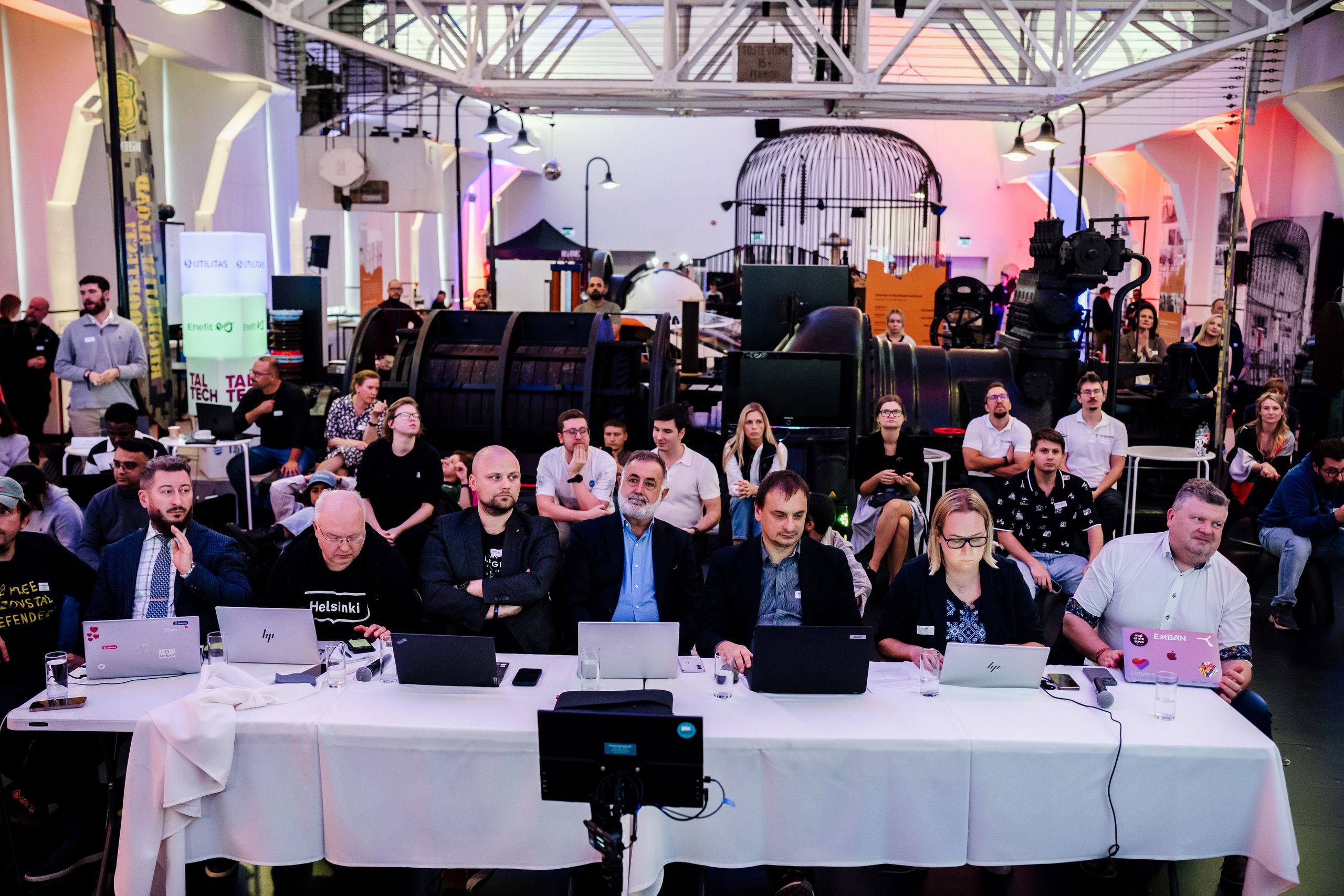
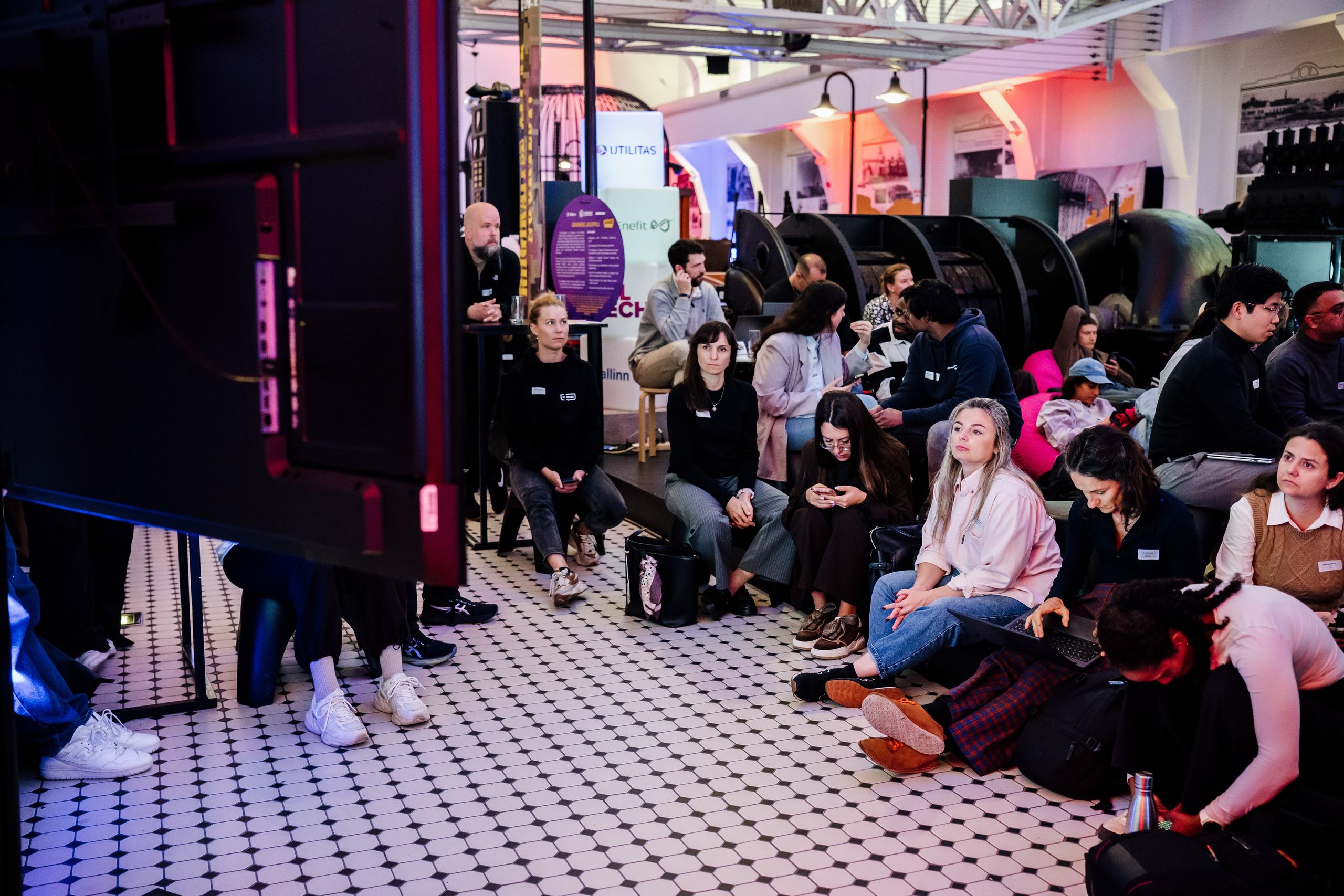
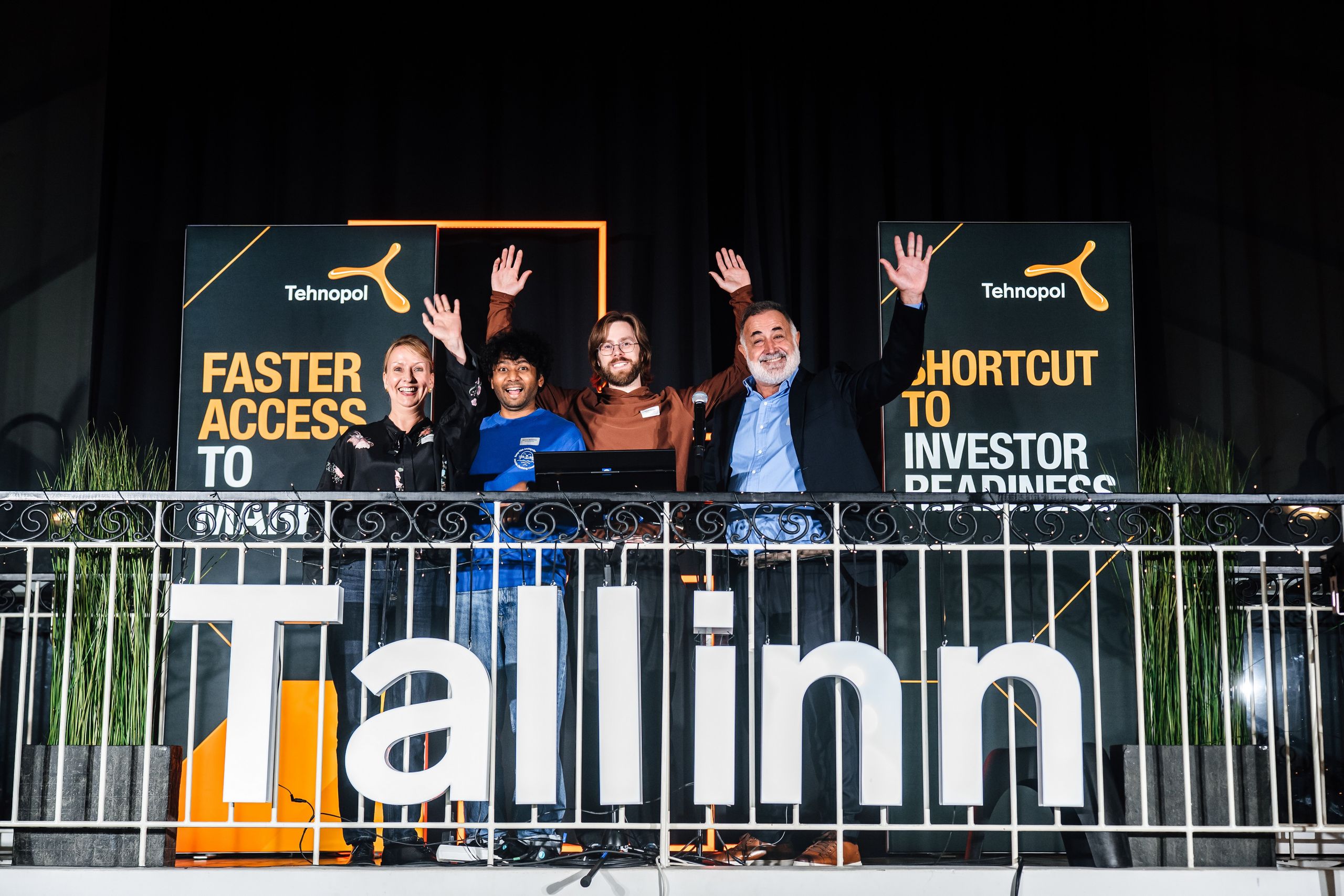
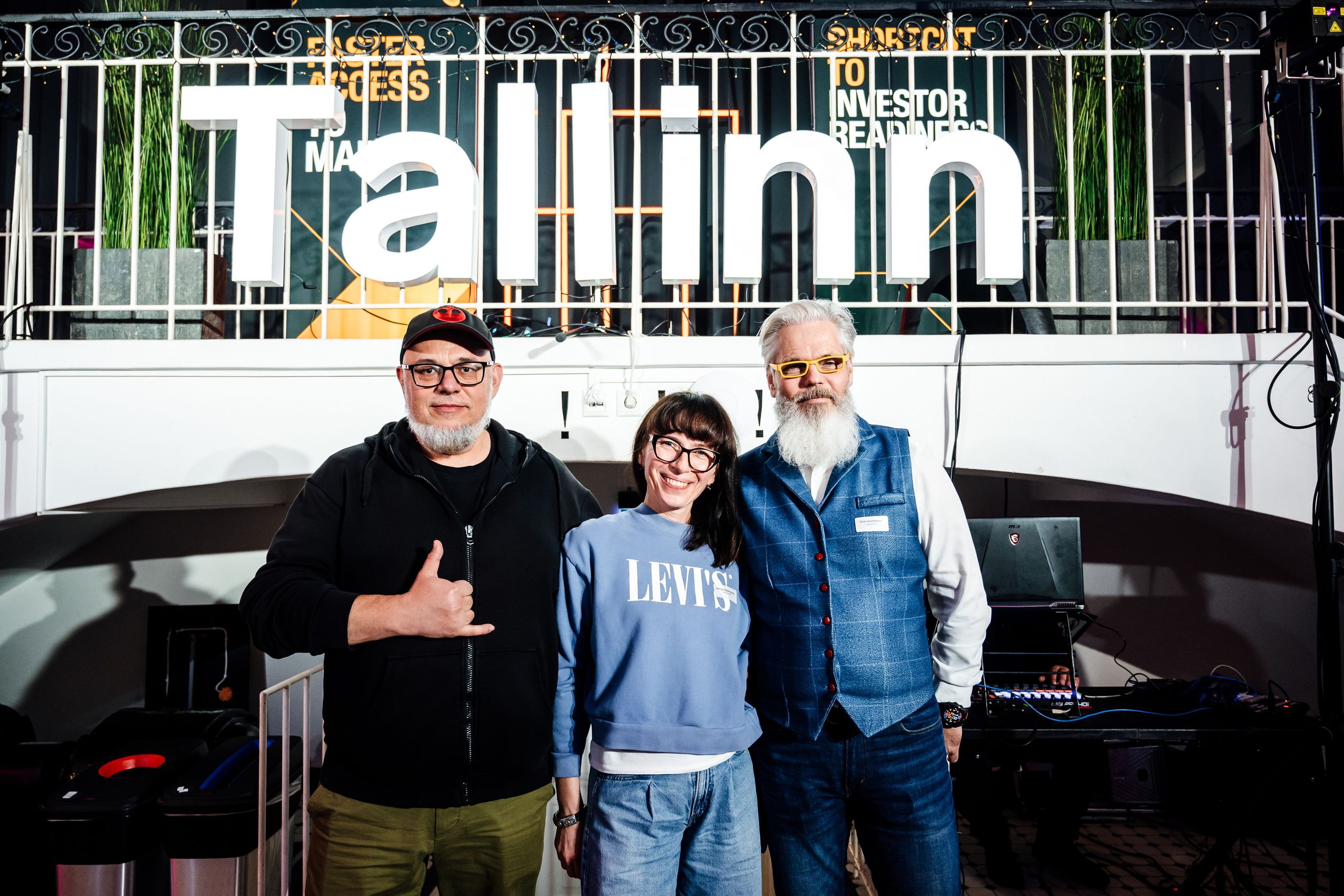
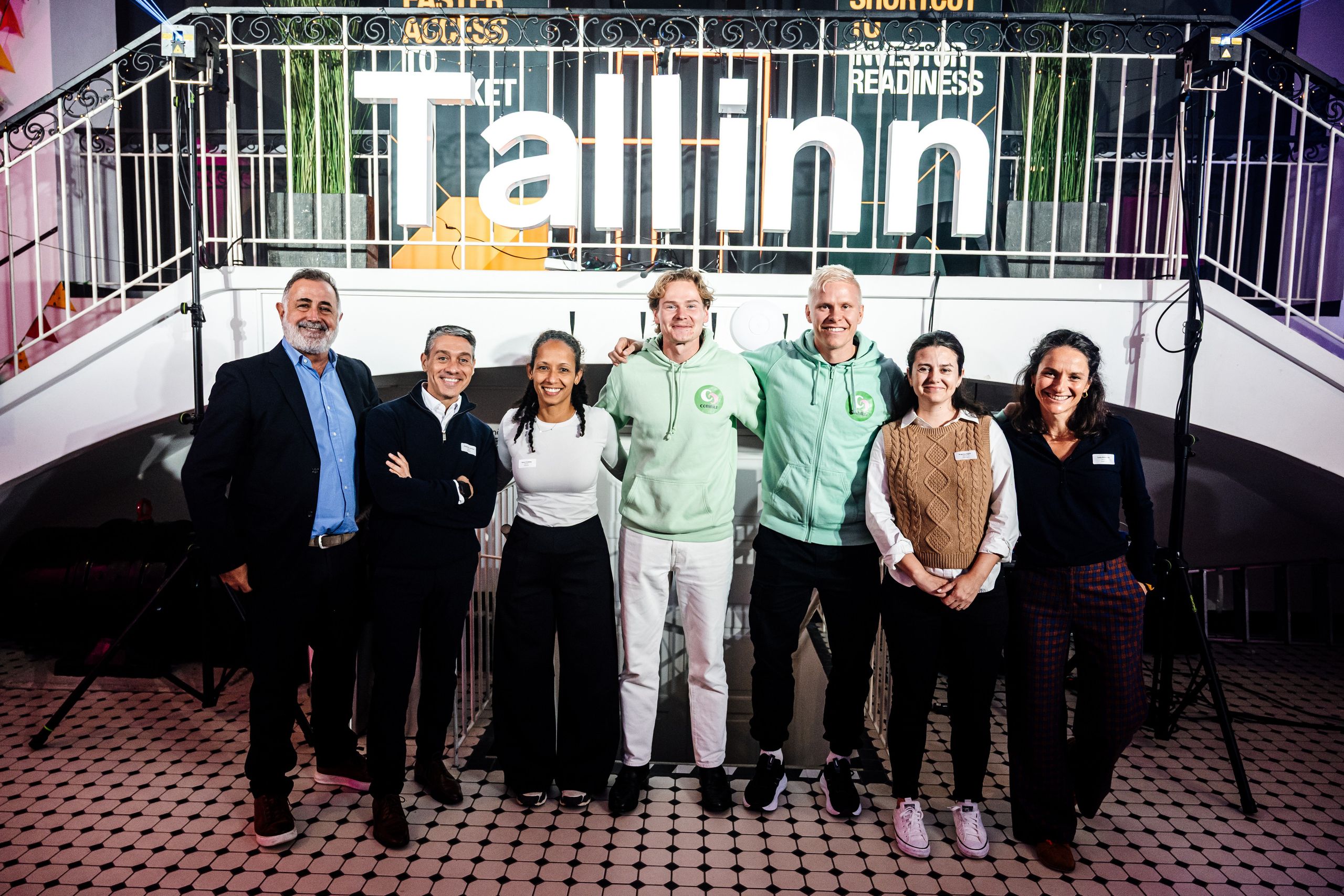
Commu App, Resilient Europe, Supersight, Sillan, Fanera, LifesaverSIM and Q-Responsify were named winners of City Resilience Hack, held in Tallinn on 24–25 September. During the 48-hour hackathon, participants tackled challenges set by Tallinn, Helsinki, Valencia, Dnipro and Lviv, developing ideas to help cities prepare for crises and keep essential services running.
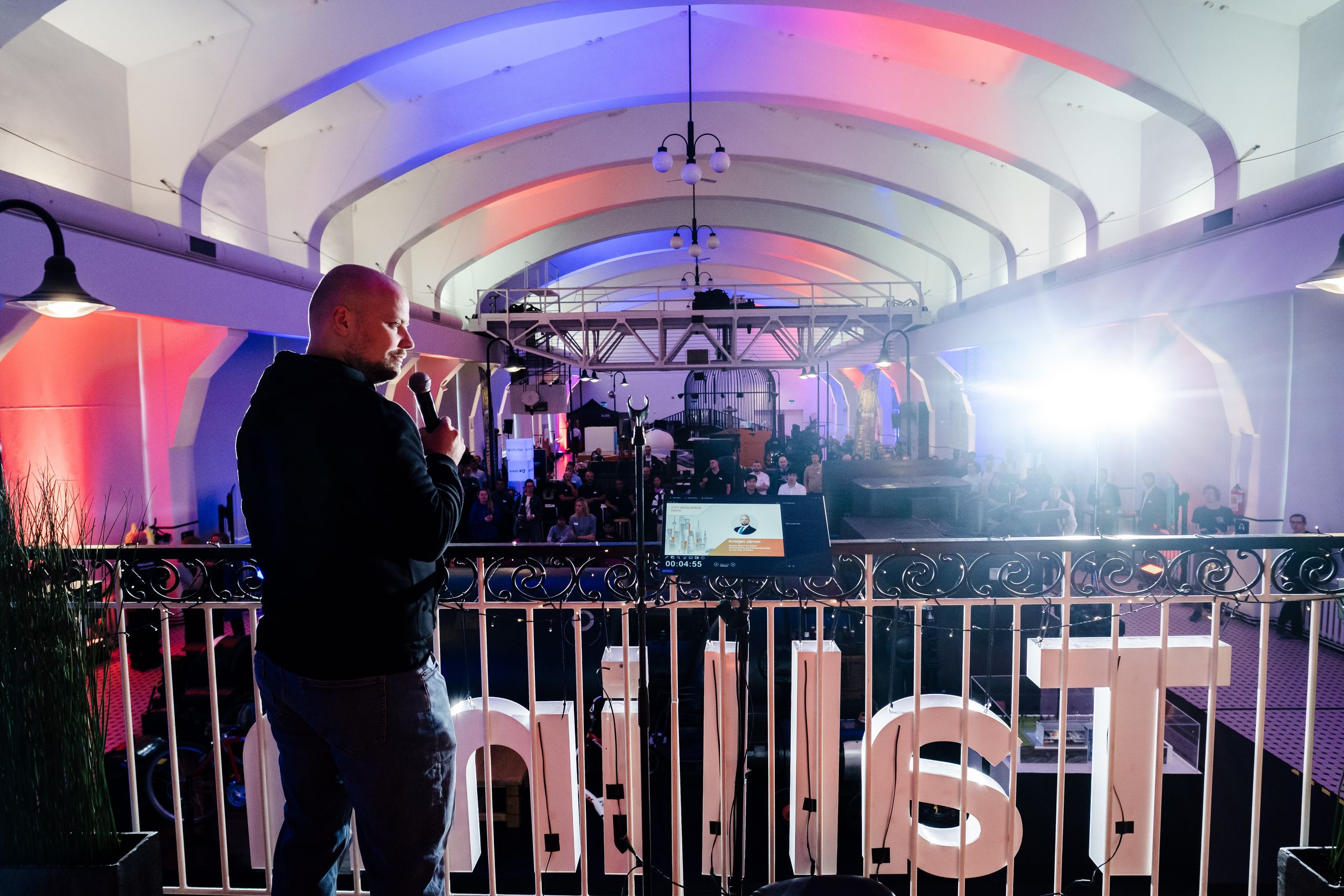
Tallinn Deputy Mayor Kristjan Järvan said the hackathon showed that new technological solutions can be developed quickly in response to cities’ specific needs. “Over two days, experts from different fields worked on real challenges that cities face when preparing for crises. The next step is to develop the strongest ideas further, test them and assess how they could be used in cities. This kind of collaboration turns good ideas into solutions with practical value for cities,” Järvan said.
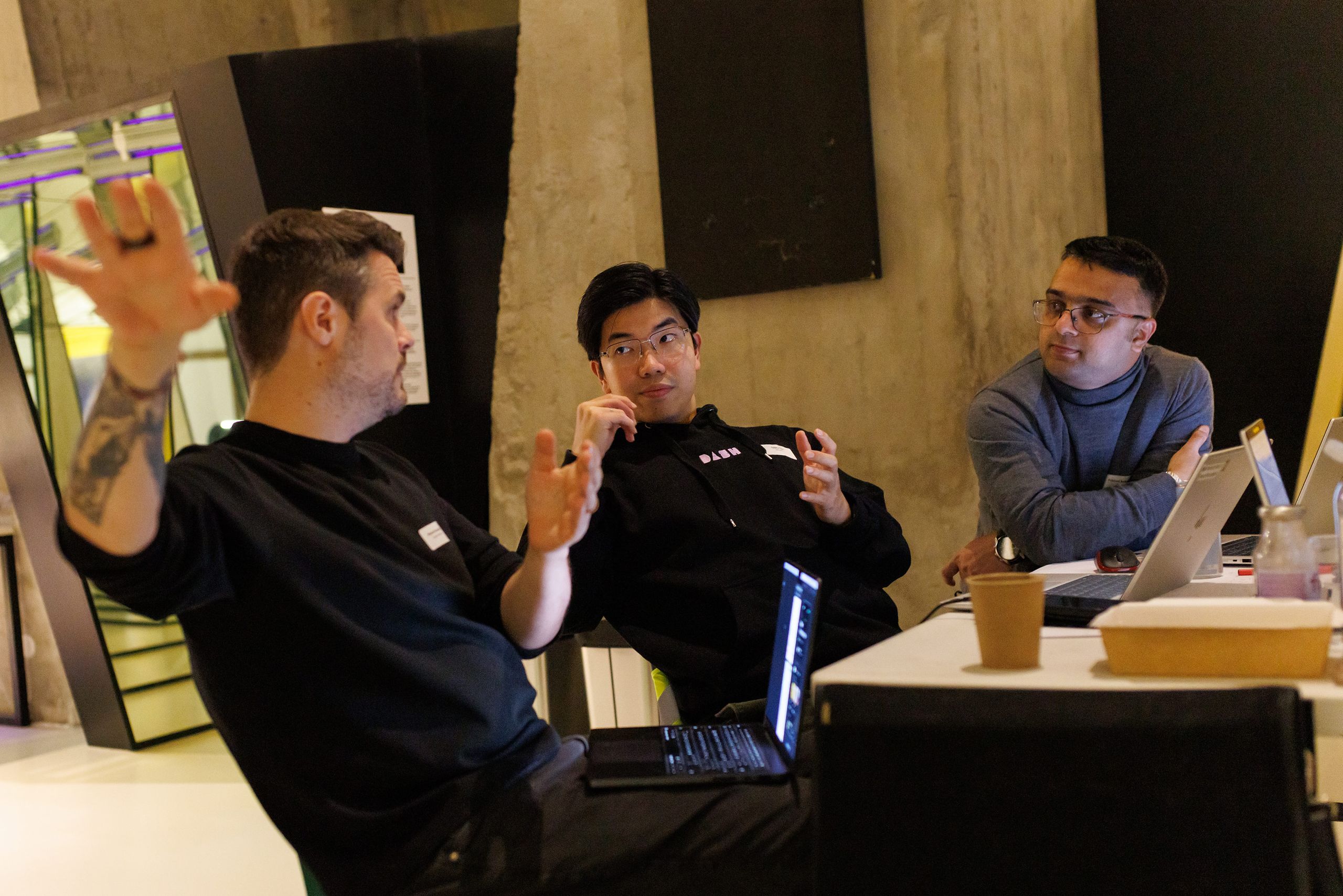
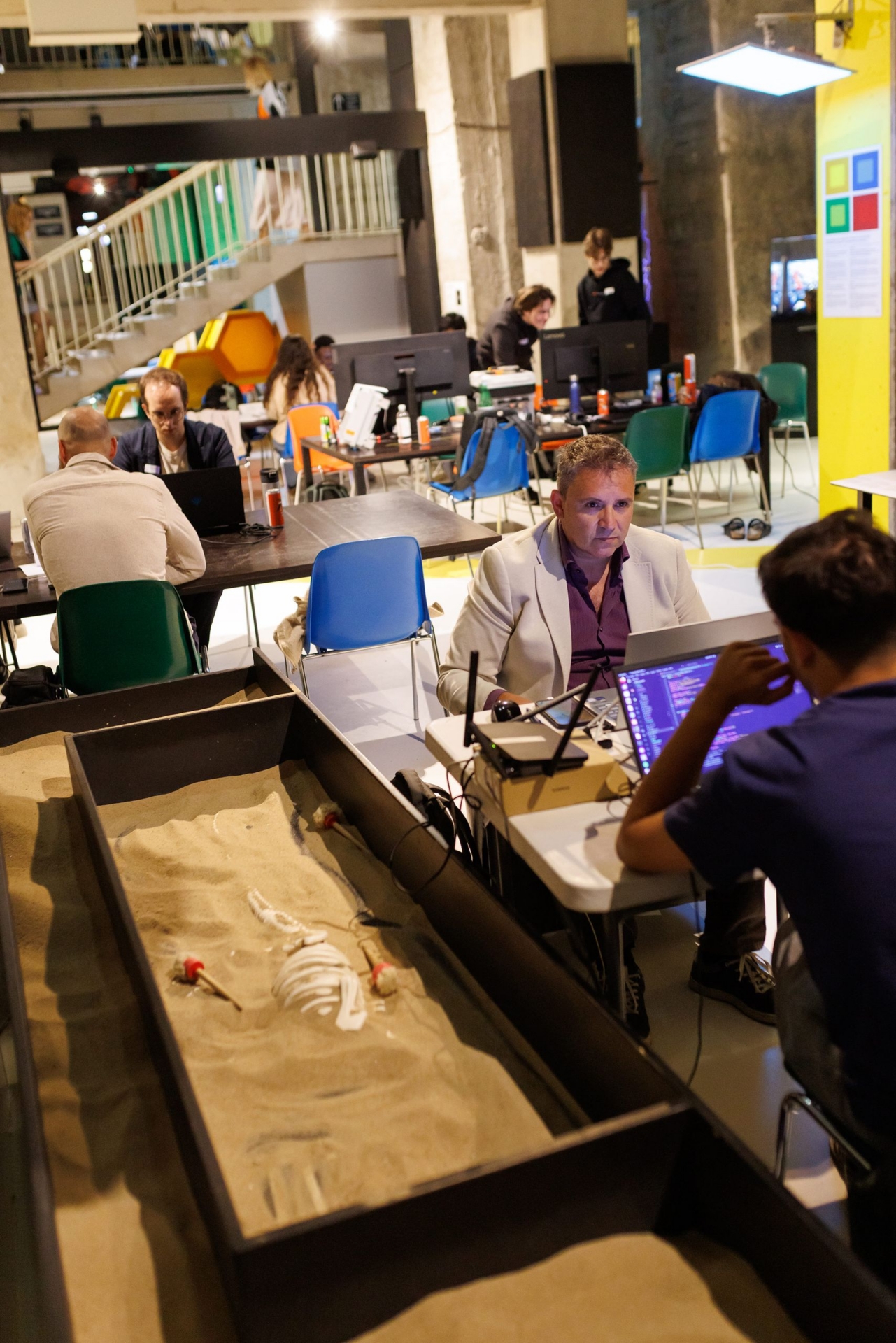
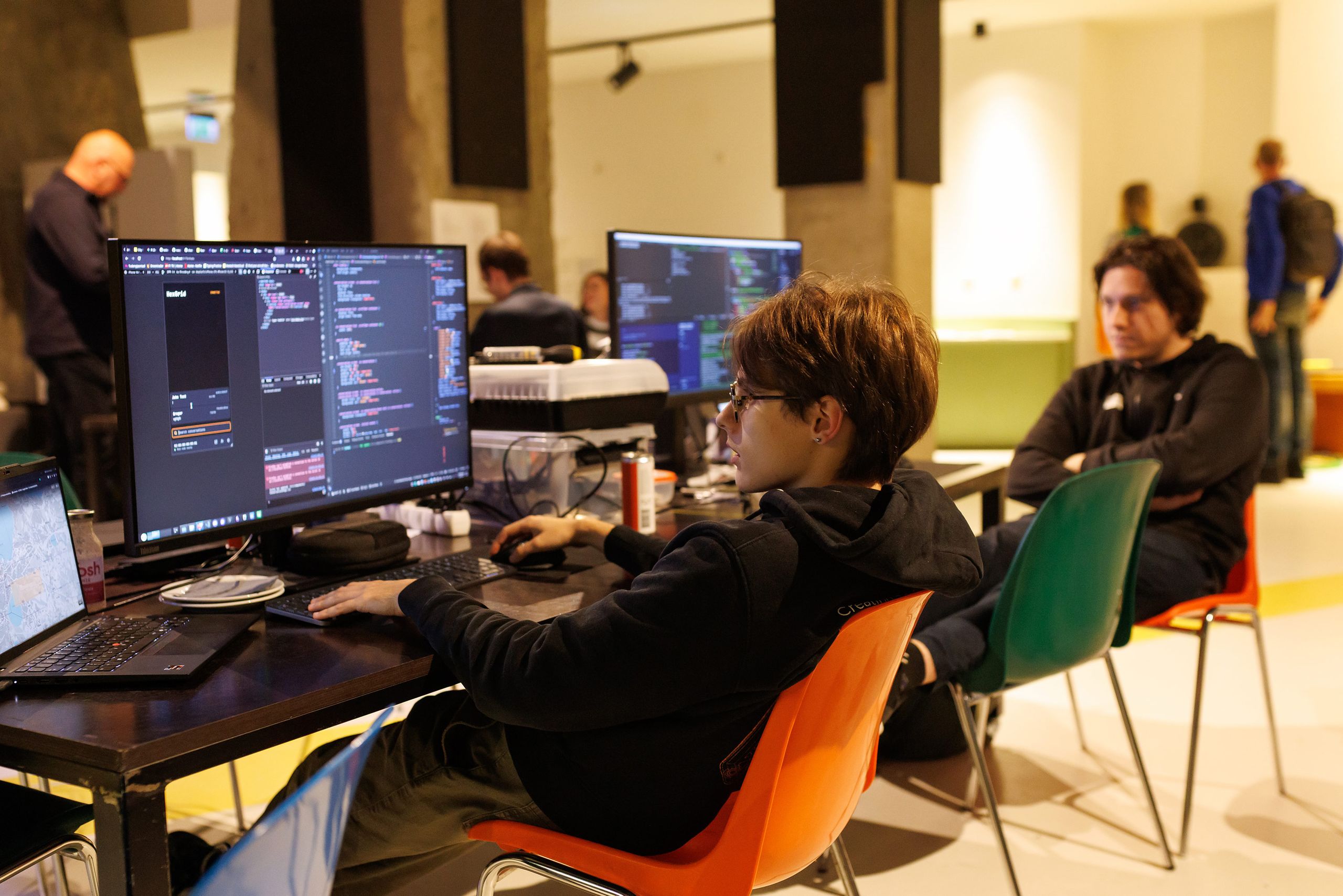
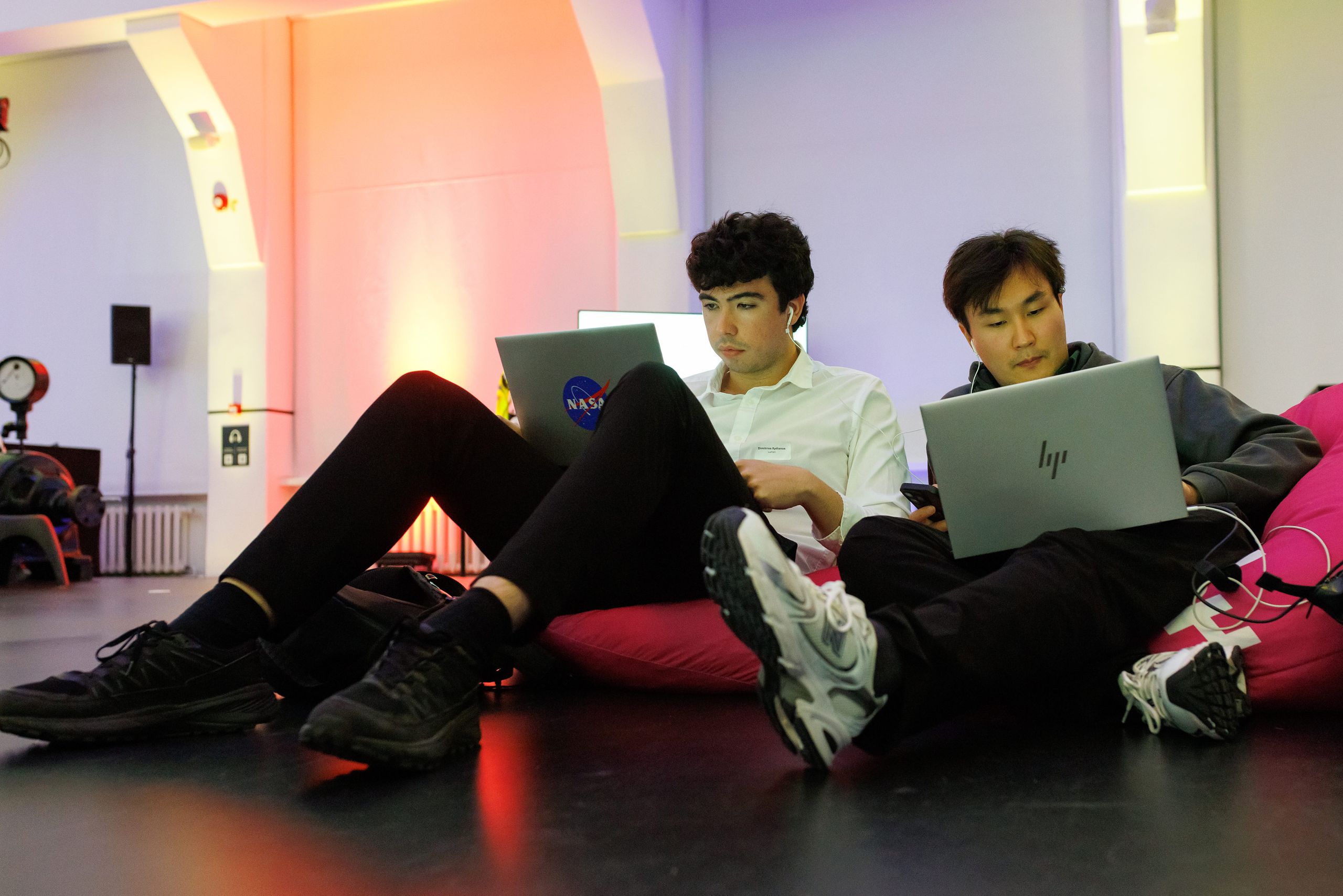
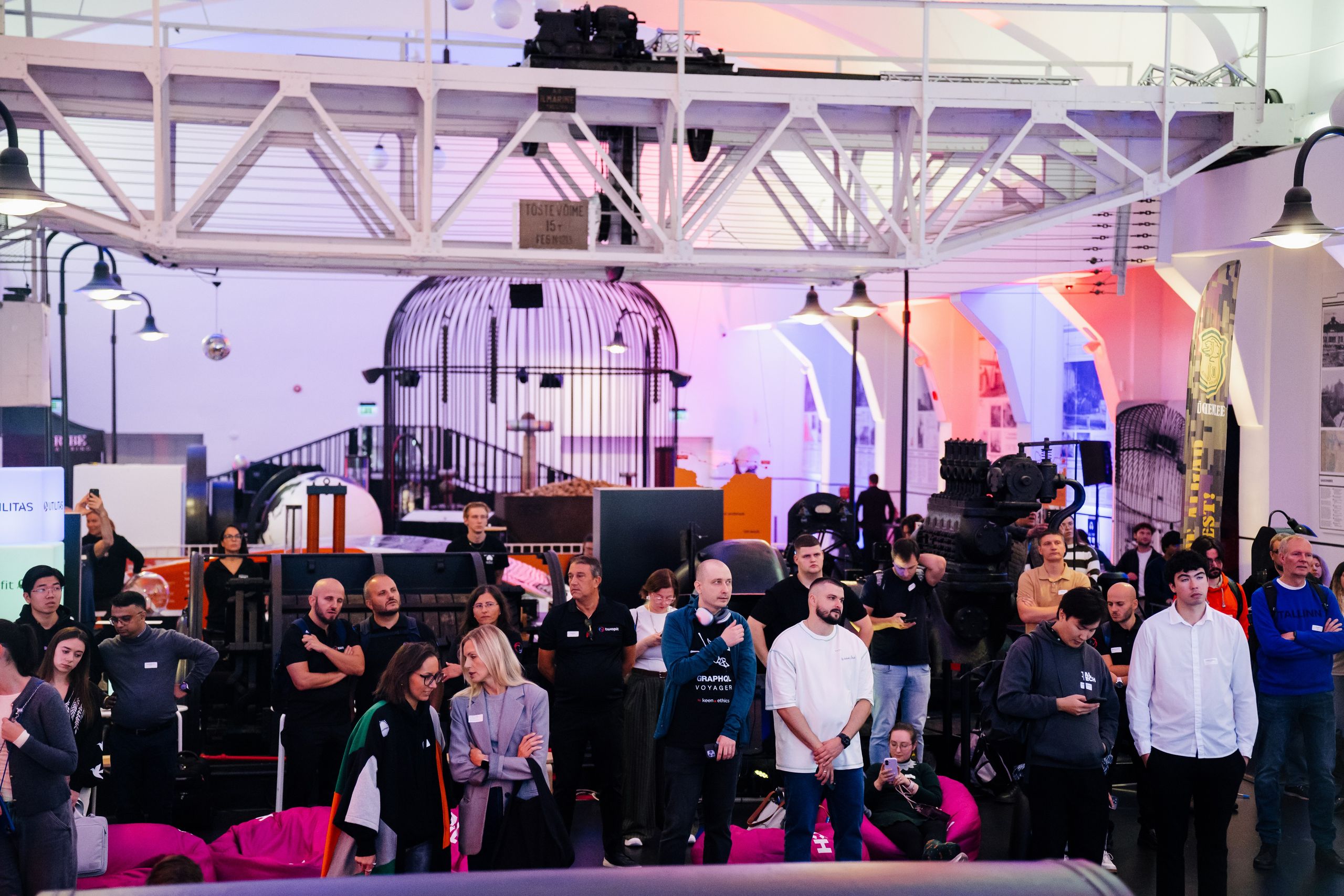
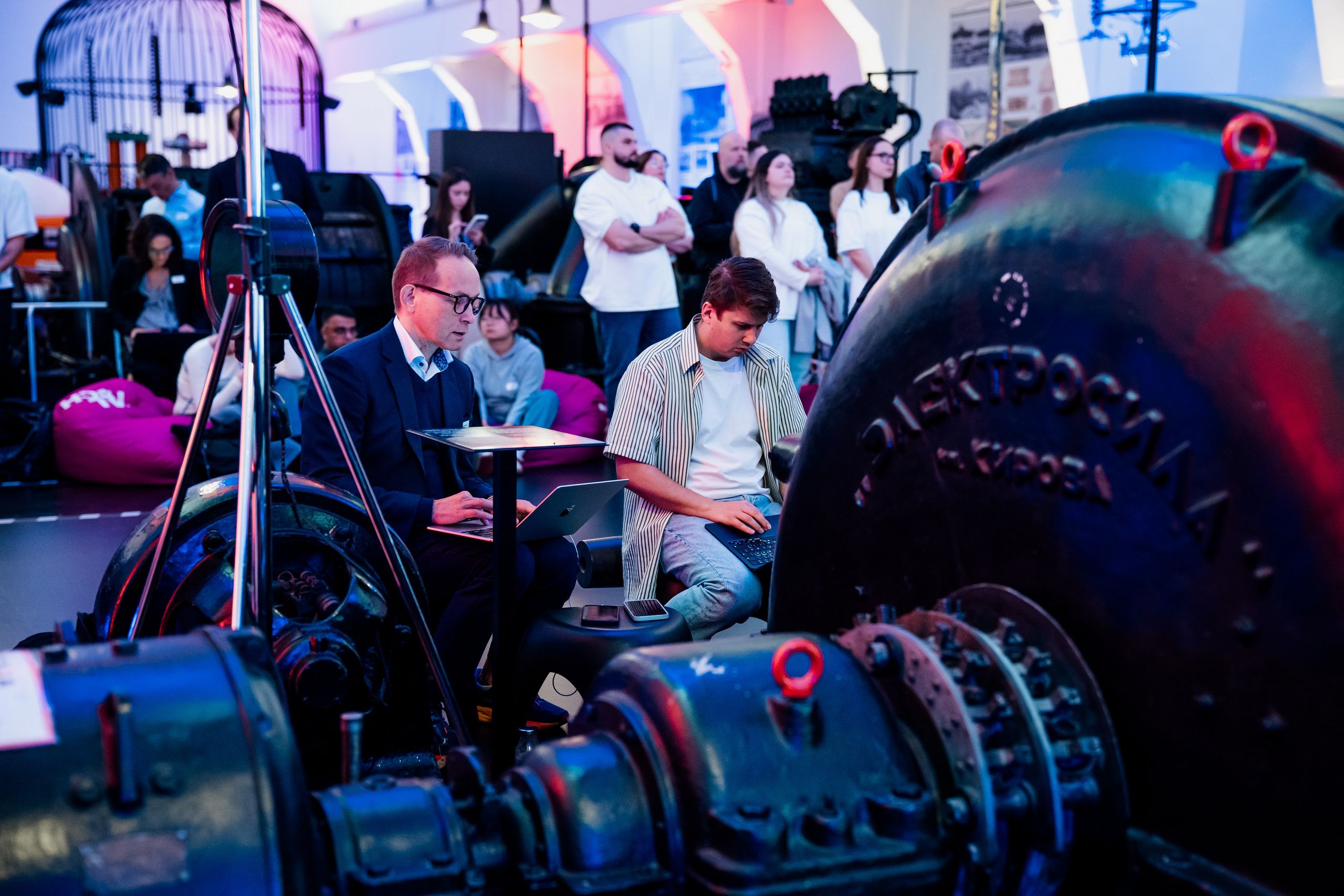
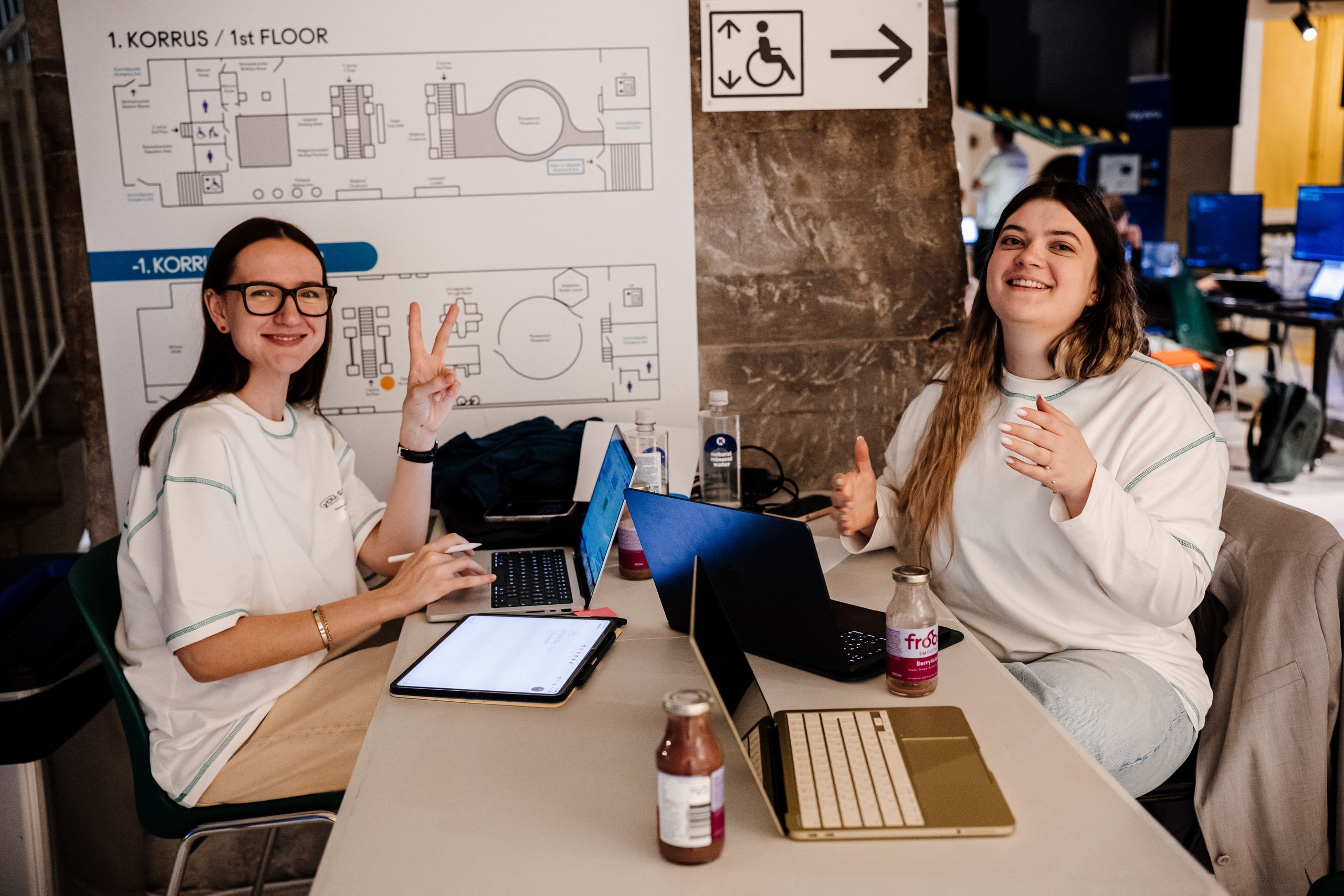
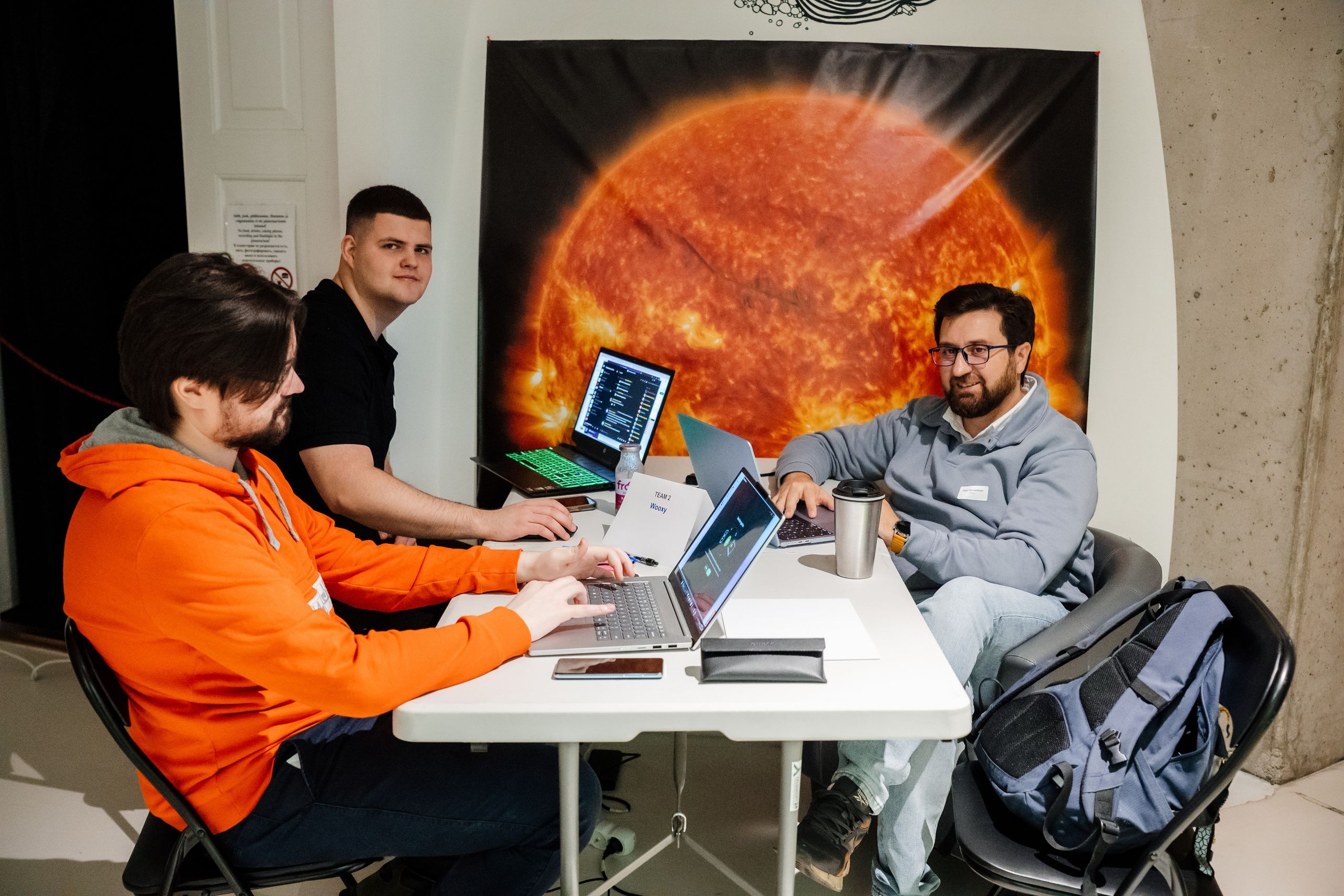
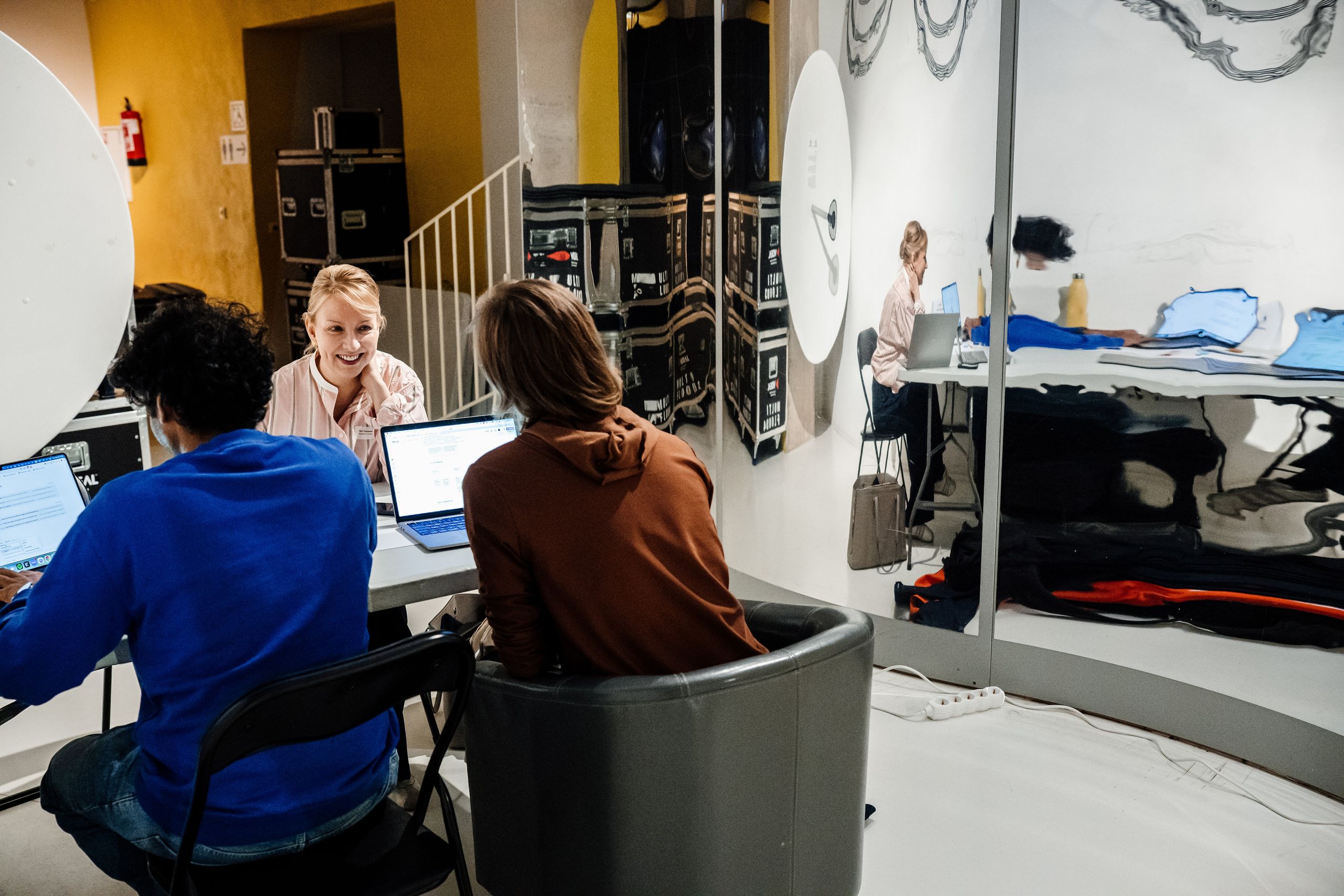
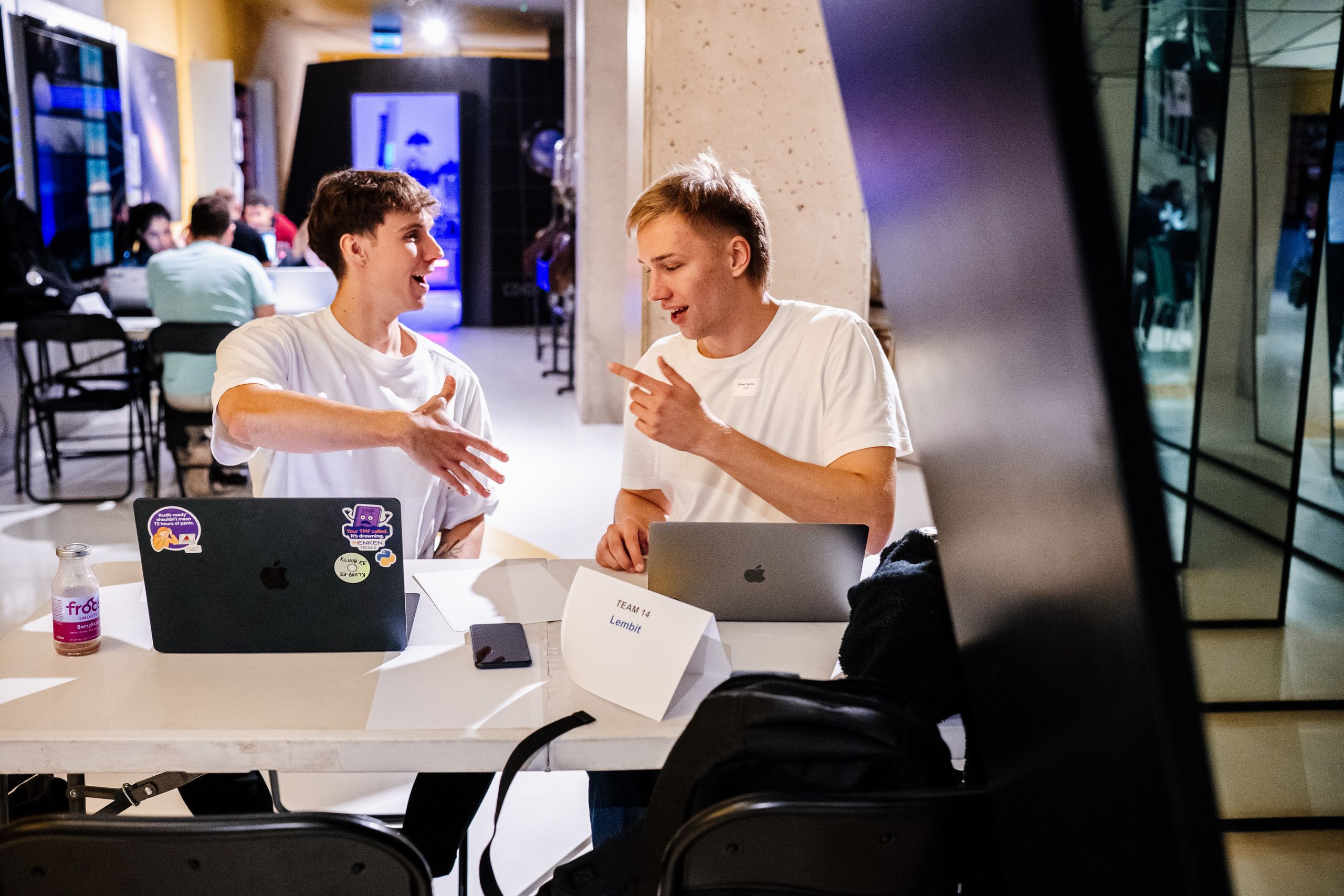
More than 300 people applied to take part in the hackathon, of whom 120 were selected. In total, 37 teams spent 48 hours working on the challenges set by the cities. Participants came from ten countries, bringing together expertise in defence, technology and business. The selected solutions aim to help cities protect residents and keep essential systems working during crises.
Commu App won a €30,000 prize and the opportunity to pilot its solution in Valencia. The prize was awarded by the City of Valencia. The team developed a platform that helps a city quickly and safely connect volunteers with people who need help during a crisis, directing vetted volunteers to where they are needed most. The app also serves as a neighbourhood support network in everyday life, helping to build resilience before a crisis occurs. “We came to the hackathon wanting to develop a solution that would make it easier to coordinate volunteers during and after a crisis. It would help local authorities act quickly when a crisis strikes,” said founders Joni-Jesper Rahkola and Sami Ekmark.
Resilient Europe won a €20,000 prize and the opportunity to pilot its solution in Valencia. The prize was awarded by the City of Valencia. The team’s idea is a personalised climate risk and health assistant that helps people prepare for extreme weather and provides timely advice tailored to their needs. It would also help cities understand residents’ needs and plan preventive measures and resources. The idea was developed by Joseph Savage, Mari Tikkanen and Sathish Narayanan.
Supersight won a €15,000 prize and the opportunity to pilot its solution in Helsinki, with a possible pilot in Dnipro. The prize was awarded by the City of Helsinki. The team’s solution uses people-counting technology to support a city’s crisis preparedness. It gives authorities a real-time view of how many people are in public buildings and shelters, and where capacity remains. The same infrastructure can be used day to day to monitor building occupancy. In a crisis, it provides a shared operational picture that helps authorities direct people to suitable shelters more quickly. The idea was developed by Kimmo Pentikäinen, Matteo Allaix and William Hammersley.
Sillan won a €10,000 prize and the opportunity to pilot its solution in Helsinki, with a possible pilot in Dnipro. The prize was awarded by the City of Helsinki. Sillan uses sensors fitted to vehicles in everyday traffic to monitor the condition of bridges continuously. By analysing vibration data, it can identify potential damage and changes at an early stage. This would allow cities and infrastructure owners to monitor more bridges at once and plan inspections, maintenance and repairs according to need, without installing a separate monitoring system on every bridge. The idea was developed by Pramod Acharya, Ziyi Huang, Panu Kuosmanen and Teddy Tran.
Fanera won a €5,000 prize and the opportunity to pilot its solution in Tallinn. The prize was awarded by the City of Tallinn. Fanera is developing Voxa, an AI assistant for emergency call centres. It extracts essential information from emergency calls and links calls about the same incident, helping dispatchers act more quickly. The idea was developed by Stefaniia Koldovska, Andriy Oleksiy Bida, Zlata Pelishko, Oleh Rylskyi and Yevheniia-Solomiia Bilyk. “We developed the entire idea during the hackathon; we didn’t have a start-up before. We learned a great deal, and now we have the opportunity to test the solution in a pilot project,” said Stefaniia Koldovska.
LifesaverSIM won a €5,000 prize, the opportunity to pilot its solution in Tallinn and an invitation to the Valencia Digital Summit. The prize was awarded by the City of Tallinn. LifesaverSIM aims to make first aid a skill that people can practise regularly and measure over time. Users work through game-based emergency scenarios on their phones, teachers can see where learners make mistakes, and the city receives an anonymised overview of residents’ preparedness. The idea was developed by Olesya Dyachyshyn, Eirik Holmstrøm and Yuriy Dyachyshyn. “We are Ukrainians and our company is registered in Estonia, but our team is international. LifesaverSIM’s ambition is to use technology tested in Ukraine to support our allies’ crisis preparedness,” said Yuriy Dyachyshyn.
Q-Responsify received an invitation to join Tehnopol’s accelerator programme. The prize was awarded by Tehnopol. Q-Responsify is developing a crisis management platform that brings real-time information about people, shelters, rescue resources, vehicles and critical supplies into one system. It would help crisis managers see quickly where assistance and supplies are needed, redirect resources accordingly and ensure that food, medicine and other essentials reach people in time. The idea was developed by Siim Männart, Andres Männart, Igor Kulik and Ivar Keskpaik.
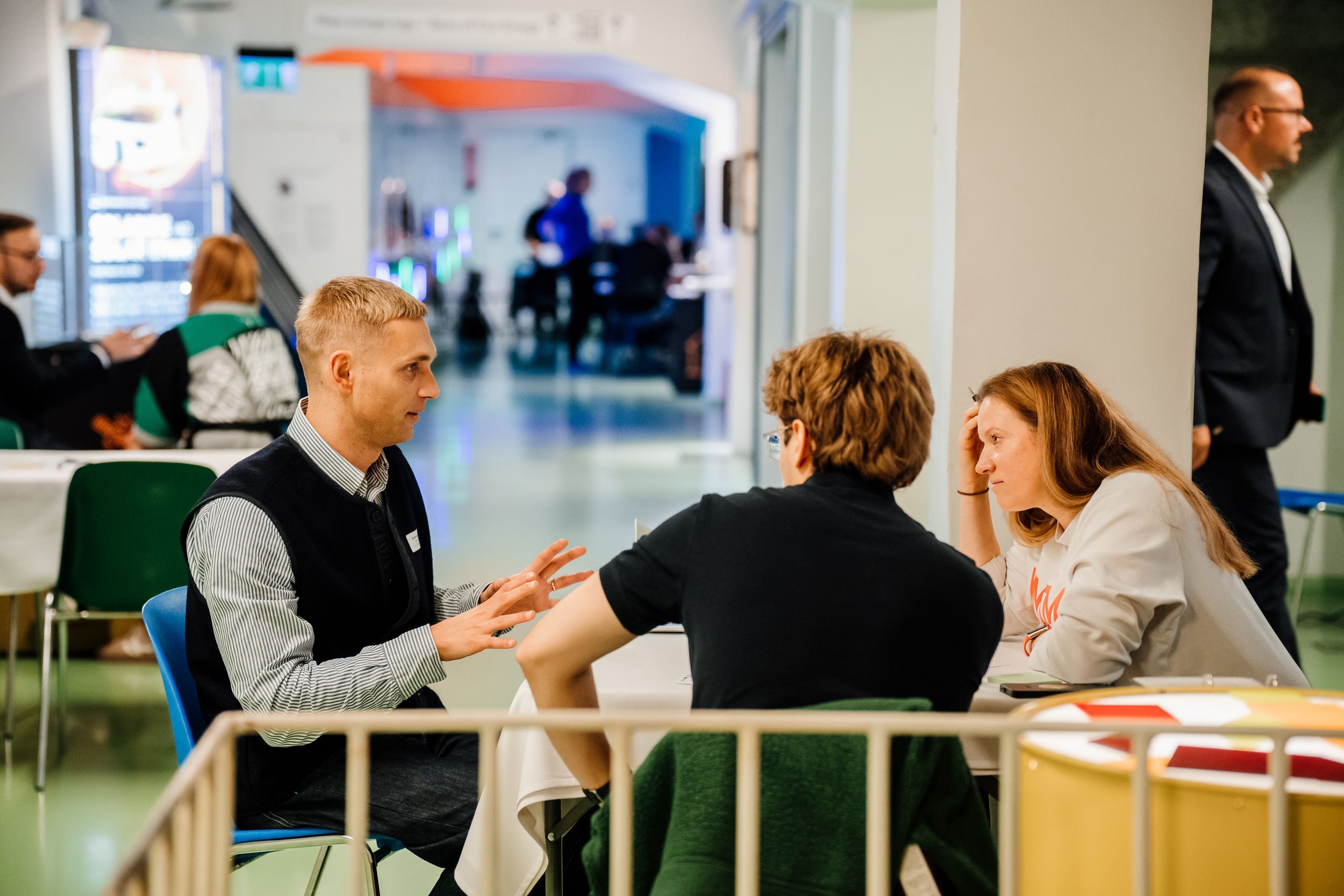
Tiiu Treier, Tehnopol’s Head of Digital Technologies and the hackathon’s lead organiser at Tehnopol, said the solutions had reached a very high standard by the end of the event. “The unique opportunity to meet city experts, receive guidance from expert mentors and test ideas against real needs enabled most teams to make remarkable progress,” Treier said. She added that the contacts made during the event would also help teams pilot their solutions with cities and subsequently bring them to market.
In addition to the €85,000 prize fund provided by Valencia, Helsinki and Tallinn, the leading teams have the opportunity to move on to testing and pilot projects in the partner cities. Tehnopol will support one selected team through its accelerator programme.
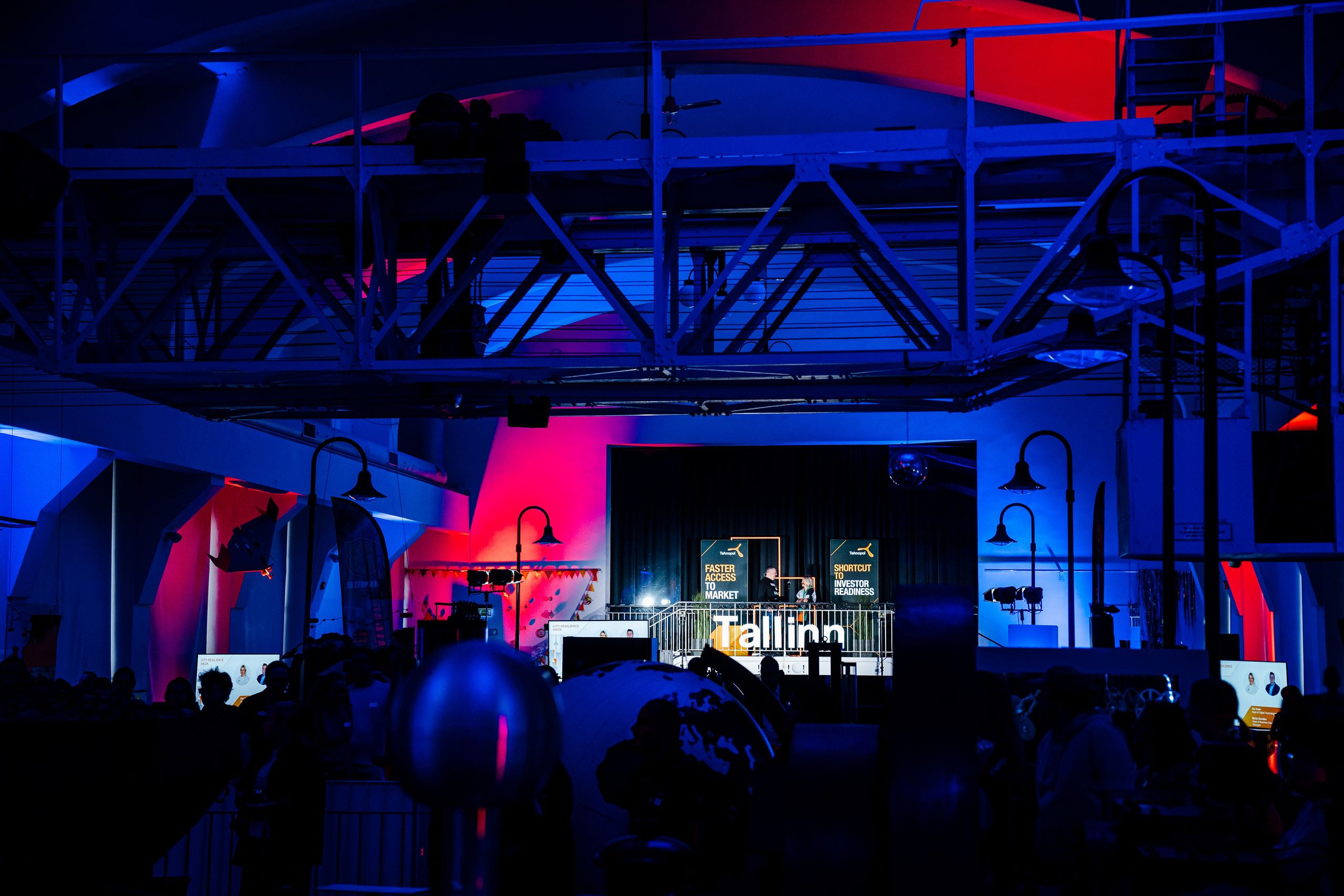
Tallinn organised City Resilience Hack at the Energy Discovery Centre in cooperation with the cities of Helsinki, Valencia, Dnipro and Lviv, and the science and business park Tehnopol. Held as part of Estonian Defence Week, the hackathon focused on digital solutions for cities, the resilience of essential systems, crisis preparedness, and cooperation between health and social services.
Photos by Ellen Rudi and Aleksandr Gužov (Tallinna Strateegiakeskus).

You might be interested in

Startup story: Yours Global X Tehnopol Startup Accelerator
Each year, dozens of high-potential startups develop their products and services in Tehnopol Startup Accelerator and its special accelerator programmes. One of the teams currently participating in the Tehnopol Startup Accelerator is...
Deep Tech Startup Network Wins Tallinn Entrepreneurship Award
The Deep Tech Startup Network, with Tehnopol as one of the consortium partners, won the title of Research and Development Project of the Year at the Tallinn Entrepreneurship Awards 2026 competition. The...
EUDIS Defence Hackathon Autumn 2026: Meet the Innovators Shaping Battlefield Autonomy
From 15 to 17 October 2026, the EUDIS Defence Hackathon brought together innovators at eight locations across Europe to tackle a strategic theme at the heart of Europe’s defence and security priorities:...