
Beyond growth: What it takes to build a business that lasts
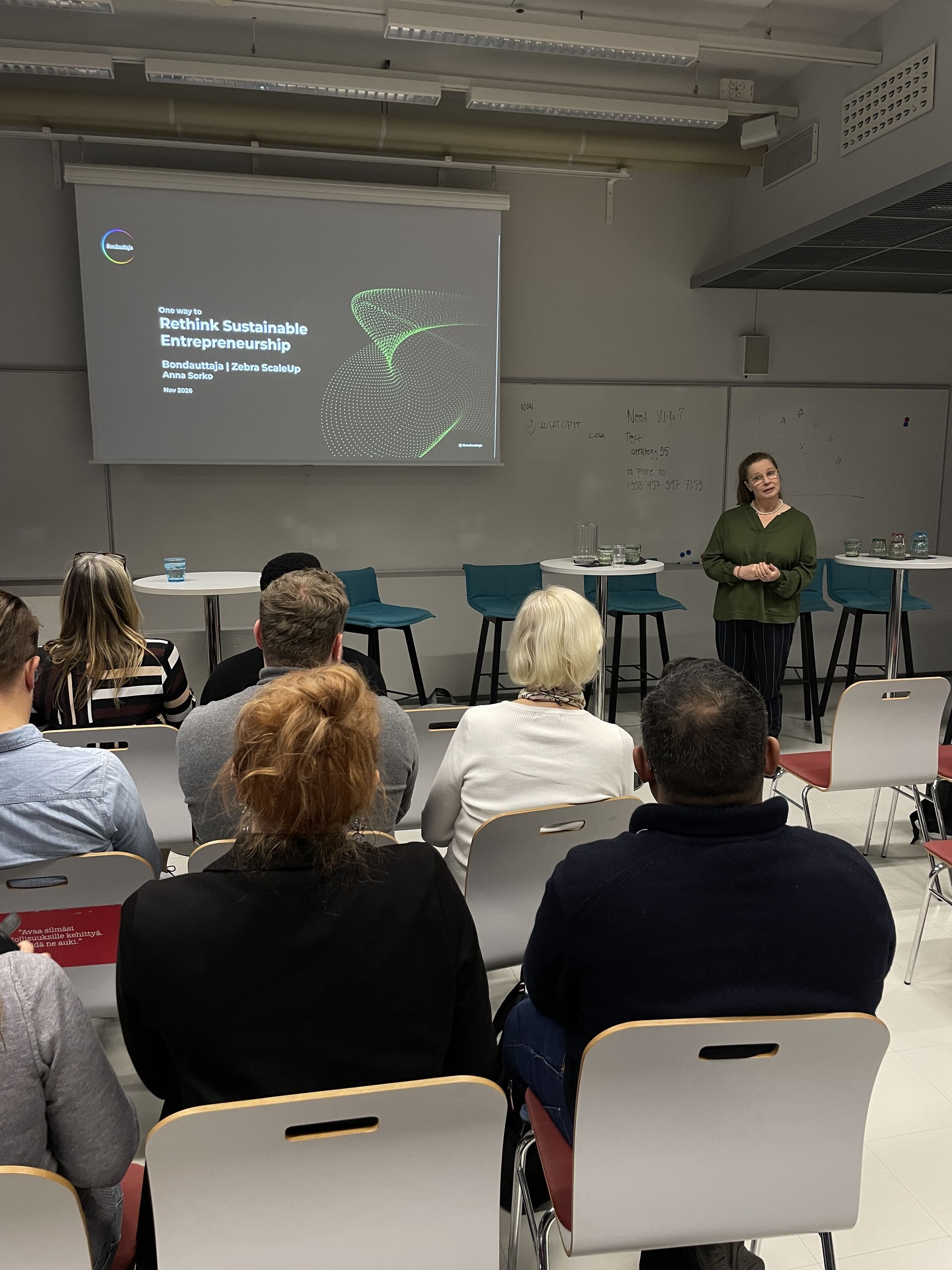
Sustainable business growth is about more than increasing revenue, entering new markets or attracting investment. It also requires the ability to adapt to change, understand evolving customer needs and build relationships that create long-term value. These were some of the central themes explored on 17 November in Helsinki, where Tehnopol Science and Business Park and Haaga-Helia University of Applied Sciences brought together entrepreneurs, mentors and ecosystem partners from Estonia and Finland for the final event of the two-year Zebra ScaleUp project.
Drawing on experiences ranging from building an international design company to developing emerging technologies, the speakers and panellists explored what sustainable growth looks like in practice, when companies should take their next steps and why human relationships remain essential in an increasingly technology-driven business environment.
Sustainable business growth requires the ability to adapt
When the Zebra ScaleUp project was launched in 2024, environmental, social and governance (ESG) considerations were high on the business agenda. The aim was to help companies develop sustainable growth strategies, enter new international markets, create high-value products and services, and attract investment while integrating sustainability into their business decisions.
However, as Martin Goroško, Head of Business Development at Tehnopol, explained, the changing business environment brought another dimension of sustainability into focus: resilience. Geopolitical uncertainty, the rapid development of artificial intelligence and shifting technological priorities challenged companies to reconsider their strategies and identify new opportunities.
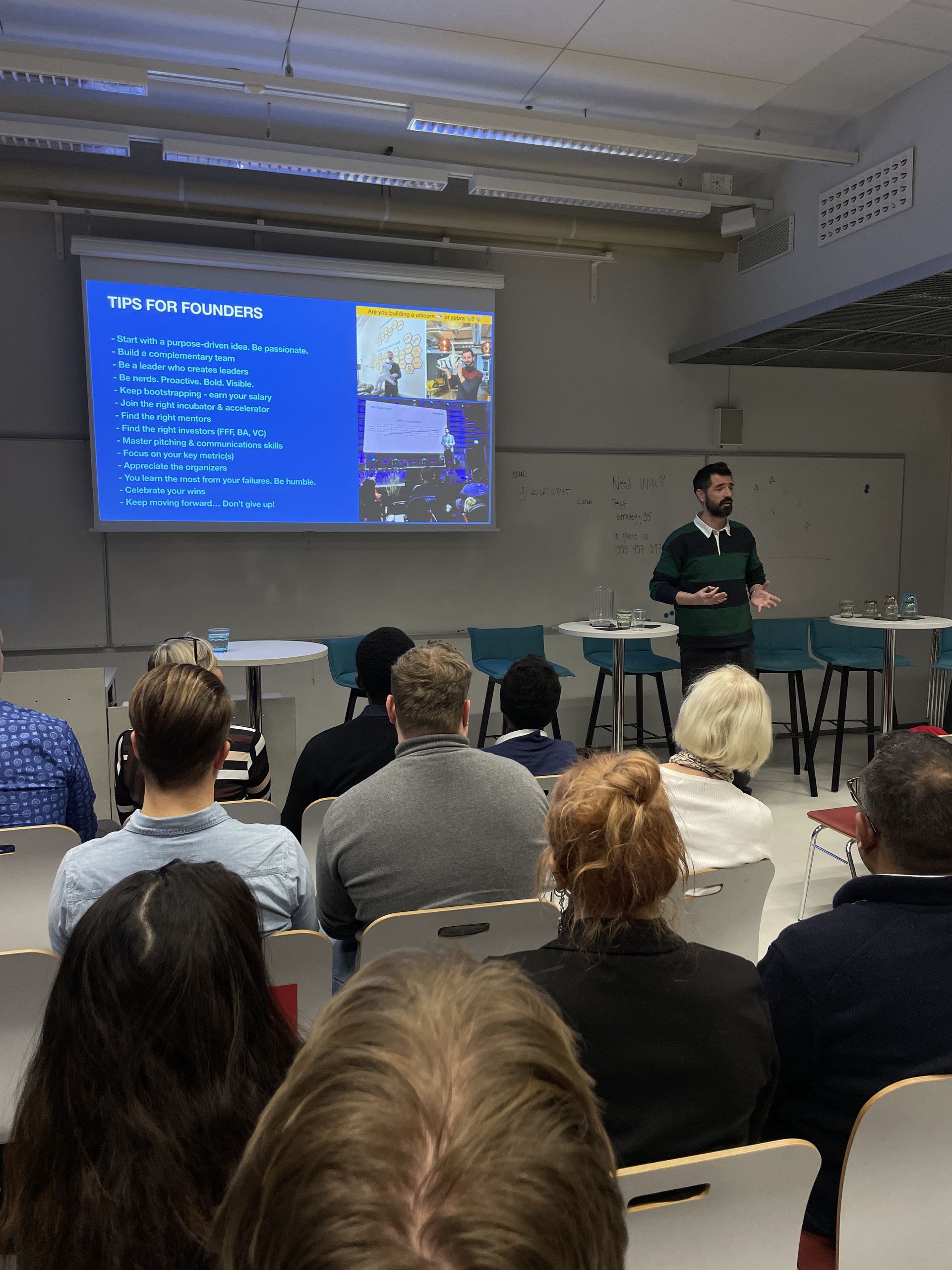
The importance of adaptability was also illustrated by keynote speaker Mikko-Pekka Hanski, co-founder of the international design company Idean and investor at Double Tap Investments. Drawing on his entrepreneurial experience and the recently published book Kovat opit (Hard Lessons), co-authored with fellow Idean co-founder Risto Lähdesmäki, Hanski shared some of the less comfortable lessons behind building an international business.
At one point in Idean’s journey, Nokia accounted for approximately 75% of the company’s revenue. When Nokia stopped purchasing its services, the company was forced to rethink its approach. What initially appeared to be a major setback ultimately became a valuable lesson in diversifying its customer base and reducing dependence on a single client.
The experience illustrates why even a seemingly successful business model can leave a company vulnerable. A growth strategy needs to provide direction without becoming so rigid that the company is unable to respond when circumstances change.
Successful businesses are built around people, not products
Neither of Idean’s co-founders came from a traditional business background. Their education and understanding of human behaviour nevertheless provided a strong foundation for building an international design company.
For Hanski, understanding people and their problems was fundamental to developing products and services. Rather than starting with a technology and looking for ways to sell it, companies should begin by identifying what people genuinely need and how their lives or work could be improved.
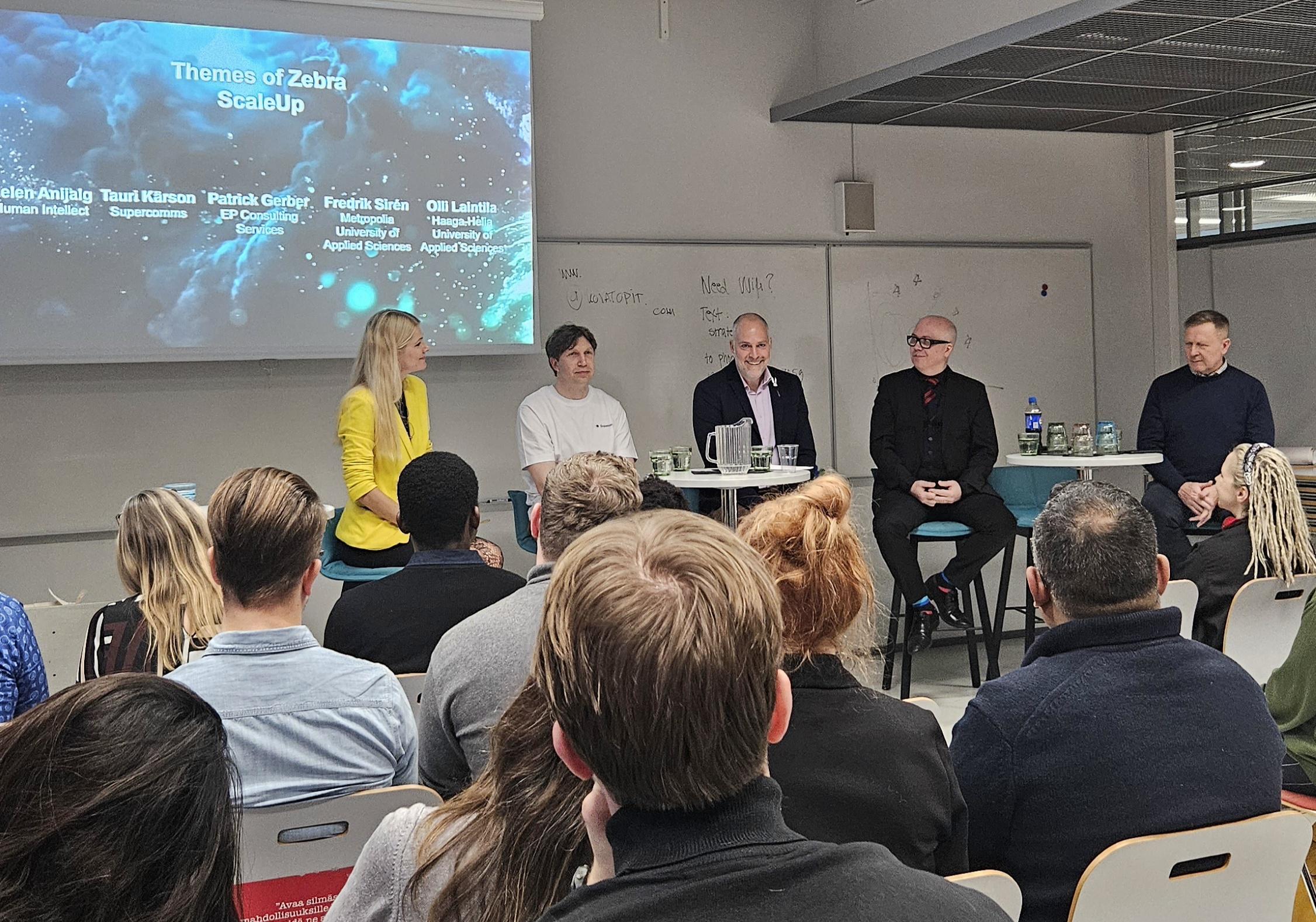
The same principle emerged during a panel discussion featuring Helen Anijalg (Human Intellect), Tauri Kärson (Supercomms), Patrick Gerber (EP Consulting Services), Fredrik Sirén (Metropolia) and Olli Laintila (Haaga-Helia).
Entrepreneurs can easily become attached to their own products, particularly when considerable time and resources have already gone into developing them. However, technological excellence alone does not guarantee commercial success. Customer conversations, waiting lists and pre-orders can all help companies assess whether there is genuine demand before committing further resources to product development.
The panellists also discussed the importance of understanding how different elements of a business model work together. Customer demand, market size, competitive positioning, financial projections and the resources needed to deliver a product or service should form a coherent whole. Developing these elements in isolation can result in ambitious growth plans that lack a realistic foundation.
Knowing when – and how – to scale
Growth brings a different set of challenges at each stage of a company’s development. While early-stage businesses often need to focus on validating their products, attracting customers and securing funding, companies that have gained traction increasingly face questions of leadership, organisational structure and team development.
One of the key recommendations from the panel discussion was to identify what is currently preventing the company from moving forward. The answer may change considerably over time. A founder who initially manages most business activities independently must eventually recognise when responsibilities need to be delegated and additional expertise brought into the company.
The same consideration applies to raising investment. External funding should serve a clear purpose, whether that is accelerating an already proven business model or providing the resources needed to reach an important development milestone. Different funding instruments suit different stages of growth, and securing investment too early or choosing the wrong type of funding can create challenges of its own.
International expansion requires similar judgement. For companies operating in relatively small home markets such as Estonia and Finland, thinking internationally from an early stage is often essential. However, the decision to enter a particular market should be guided by evidence of customer demand rather than the founder’s personal preferences.
Companies are better positioned to expand when they have a repeatable sales process, a team capable of supporting international operations and sufficient financial resources. Entering a foreign market can take considerably longer than expected, making realistic planning and financial preparation particularly important.
At the same time, companies should remain open to opportunities that emerge outside their original plans. Customer interest from an unexpected market may provide a stronger indication of where to expand than even a carefully prepared internationalisation strategy.
Why human connections still matter in the age of AI
As artificial intelligence makes it increasingly easy to access information, conduct market research and automate business processes, the value of human expertise and relationships is becoming more apparent.
The experiences of two Zebra ScaleUp participants, WAB Electronics and Antscape, demonstrated how access to the right people can influence a company’s development in ways that technology alone cannot.
WAB Electronics develops drone-based sensing solutions for detecting landmines and unexploded ordnance. For a team with a strong engineering background, the programme provided an opportunity to strengthen its commercial capabilities, particularly in marketing, sales, business planning and investor engagement.
According to Ahmed Ali from WAB Electronics, the value of the programme extended well beyond acquiring new knowledge. Introductions to investors, industry representatives and potential partners gave the company opportunities to put that knowledge into practice.
Participation in Latitude59, for example, opened doors to further conversations within the defence innovation ecosystem. Through continued networking and business development, the company has established new international connections and secured an opportunity to test its technology abroad.
For Antscape, which develops data-driven software to support more sustainable and resilient green spaces, the programme helped bring greater clarity and focus to its business development.
When Marja-Liisa Soone joined Zebra ScaleUp, Antscape had an early minimum viable product. The company has since launched a live product, established a collaboration with Estonia’s largest plant nursery and attracted interest from municipalities and other potential partners. It is also working towards piloting a solution that could support green space planning across Northern Europe.
In addition to the knowledge and business opportunities gained through the programme, Soone particularly valued the relationships formed with fellow entrepreneurs. Participants continue to stay in touch, exchange experiences and support one another beyond the programme.
The importance of maintaining meaningful relationships was also reflected in Hanski’s keynote. His experience of building Idean alongside his co-founder offered a broader perspective on entrepreneurial success, inviting founders to consider not only the financial value of a business, but also the friendships, professional relationships and organisational culture they build along the way.
Three years of Zebra ScaleUp: from strategy to tangible results
Over the course of three years, Zebra ScaleUp supported Estonian and Finnish companies through training sessions, business boot camps, individual coaching, mentoring and international networking opportunities.
A total of 20 companies completed the full programme and developed sustainable growth strategies. Participating companies also attracted investment, entered new markets, increased their revenues and brought new products to market.
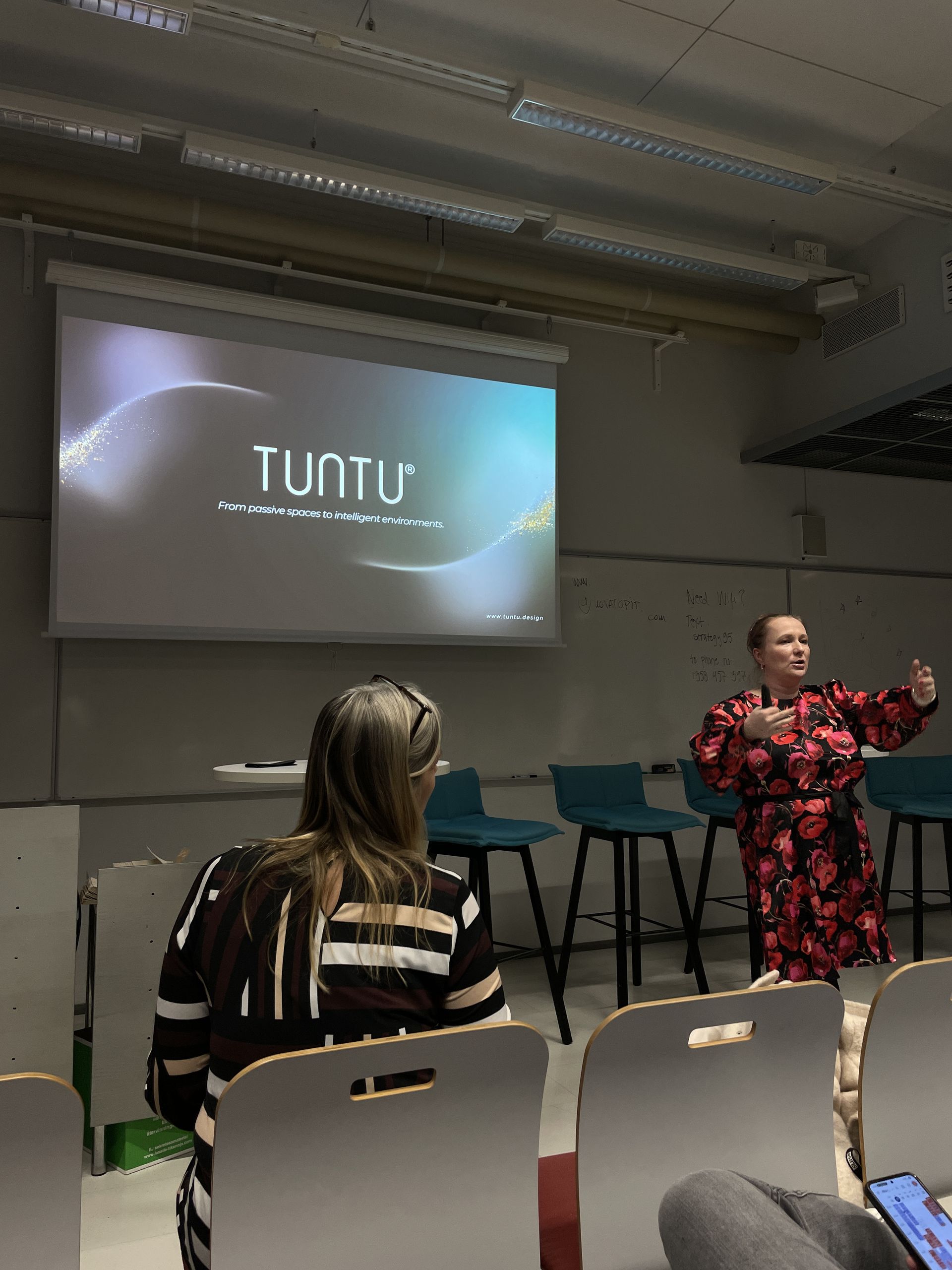
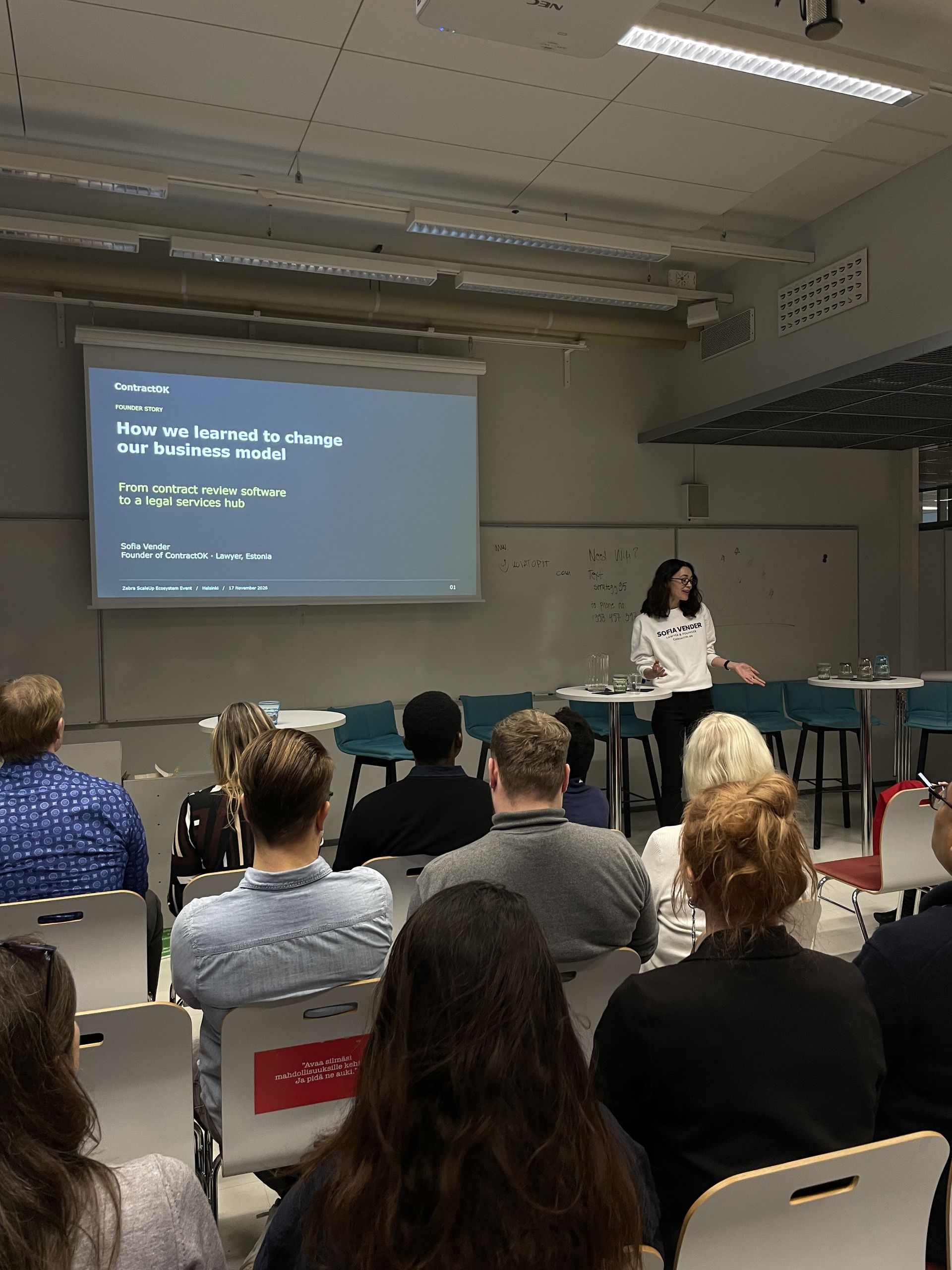
The final ecosystem event showcased different entrepreneurial journeys through presentations by six companies: Bondauttaja, Marleq, Tuntu, Test2Deploy, ContractOK and KULG.
A discussion involving Hannu Koikkalainen and Nina Kallberg from Haaga-Helia, Maarit Jalakas from Tehnopol, and entrepreneurs Ahmed Ali and Marja-Liisa Soone reflected on the project’s activities and the value of cross-border cooperation between the Estonian and Finnish business ecosystems.
The experiences shared throughout the event demonstrated that effective business support is not simply about providing entrepreneurs with knowledge. It is also about helping them apply that knowledge, identify opportunities, access relevant networks and develop the confidence to make difficult strategic decisions.
While the Zebra ScaleUp project is drawing to a close, the capabilities, partnerships and professional relationships developed through it will continue to support companies on their growth journeys.
Ultimately, sustainable business growth is not about how quickly a company can scale, but whether it can remain relevant, adapt to changing circumstances and continue creating value over time.
Find out more about the project at zebrascaleup.eu.
The Zebra ScaleUp programme is funded by the Interreg Central Baltic Programme 2021–2027 and is implemented in cooperation with Haaga-Helia University of Applied Sciences.
You might be interested in
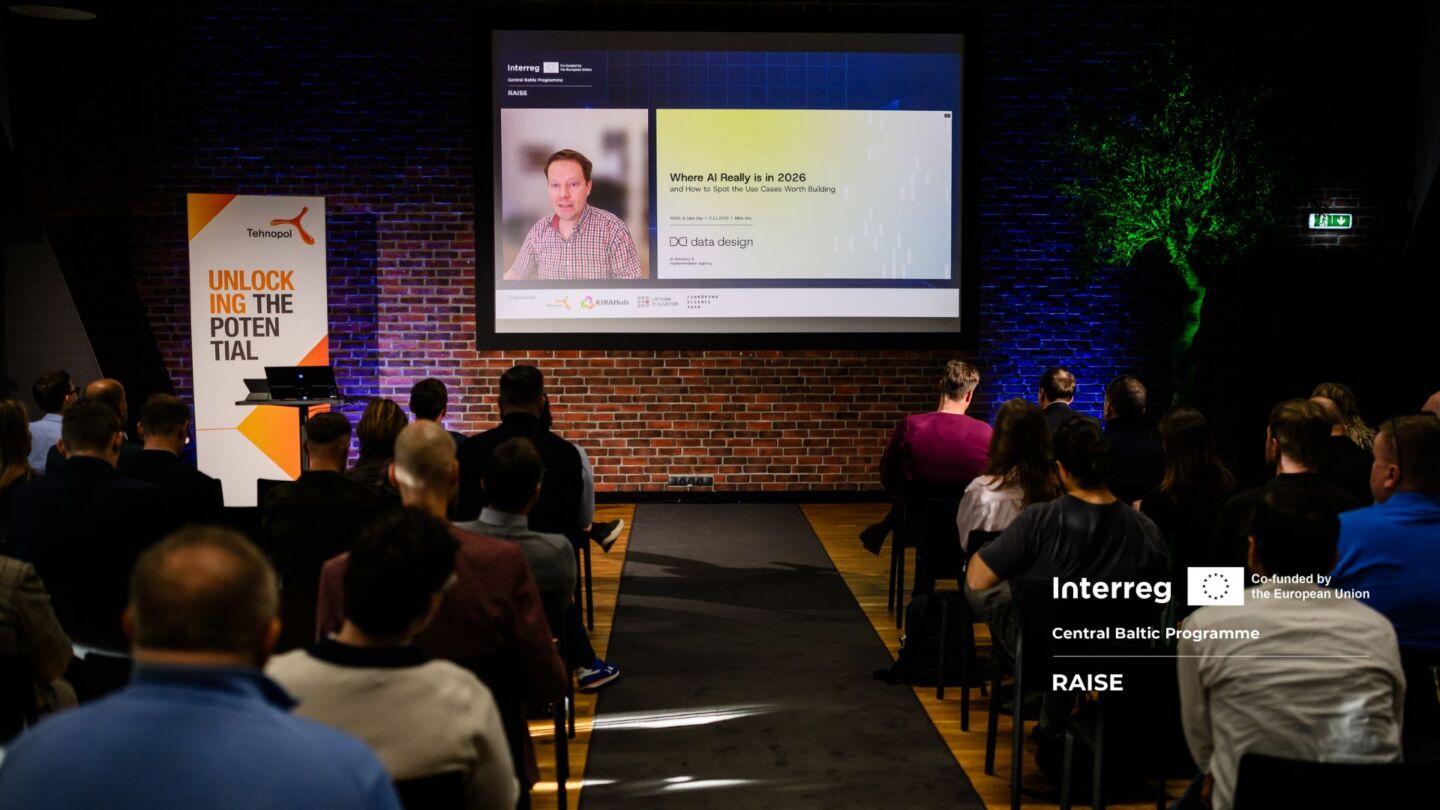
AI adoption is widespread, but few businesses see significant returns. What makes the difference?
Why do so many AI projects fail to deliver business value? At Tehnopol's RAISE AI Ideation Day, Mika Aho explained how to identify and develop AI ideas worth pursuing.
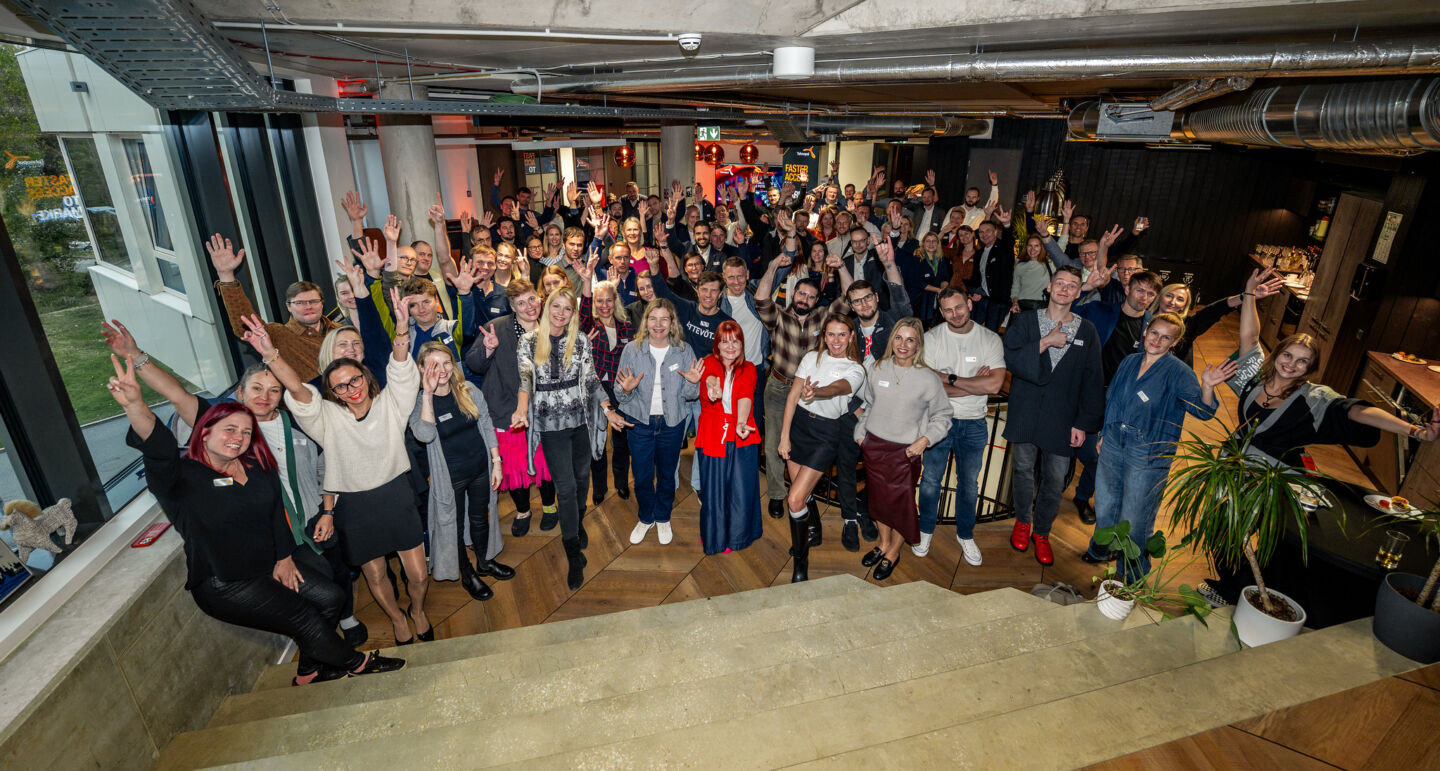
Tehnopol’s mentor community came together to strengthen collaboration and share experiences
On 14 October, mentors from a wide range of fields gathered at Tehnopol’s office to share experiences, exchange ideas and strengthen collaboration within the community. The event provided an opportunity to learn...
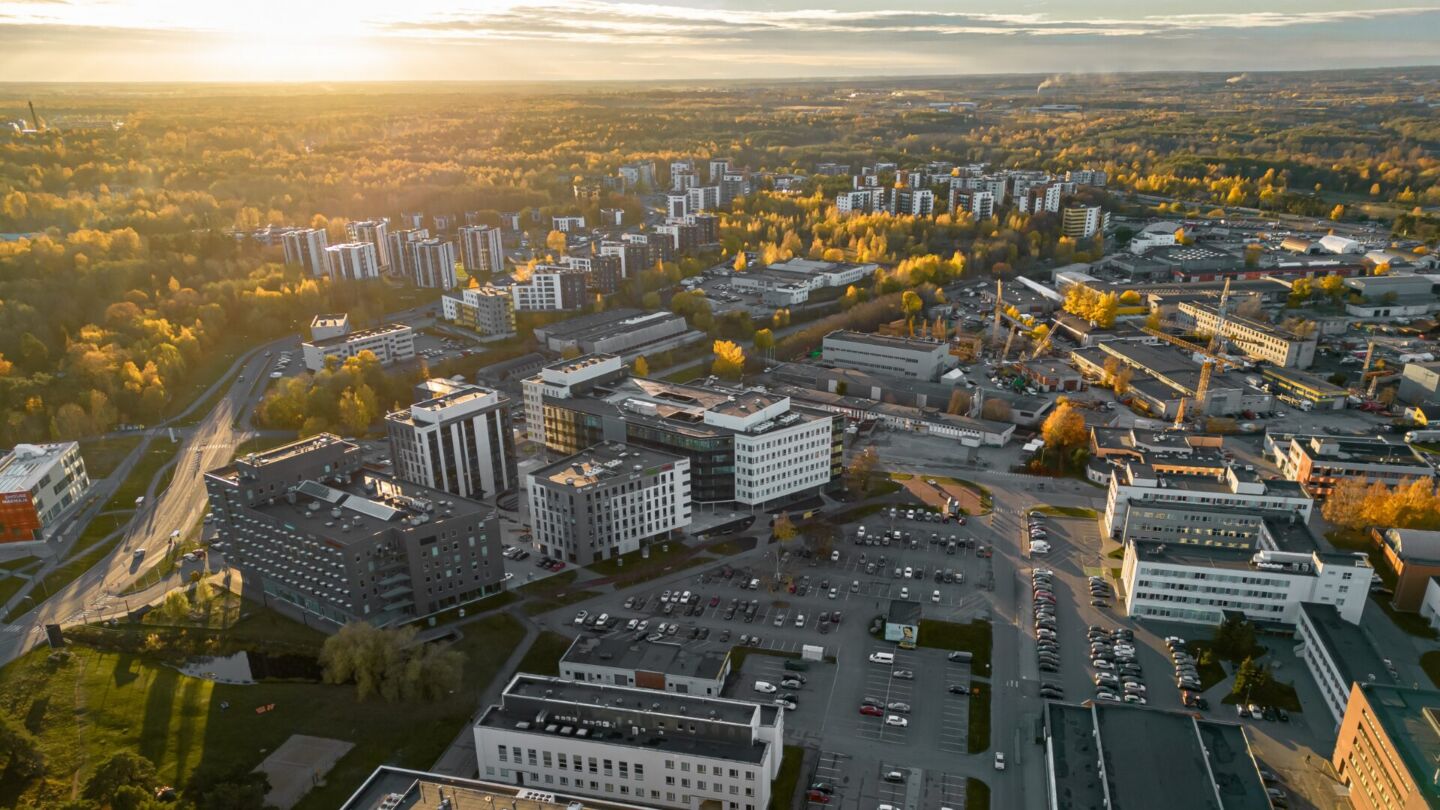
Tehnopol campus creates space for growth and collaboration
Are you looking for a new office that will also support your company’s growth? At Tehnopol Campus, you get more than just office space – you become part of a community of...