
Circle Tech helps companies manage the lifecycle of IT devices more efficiently
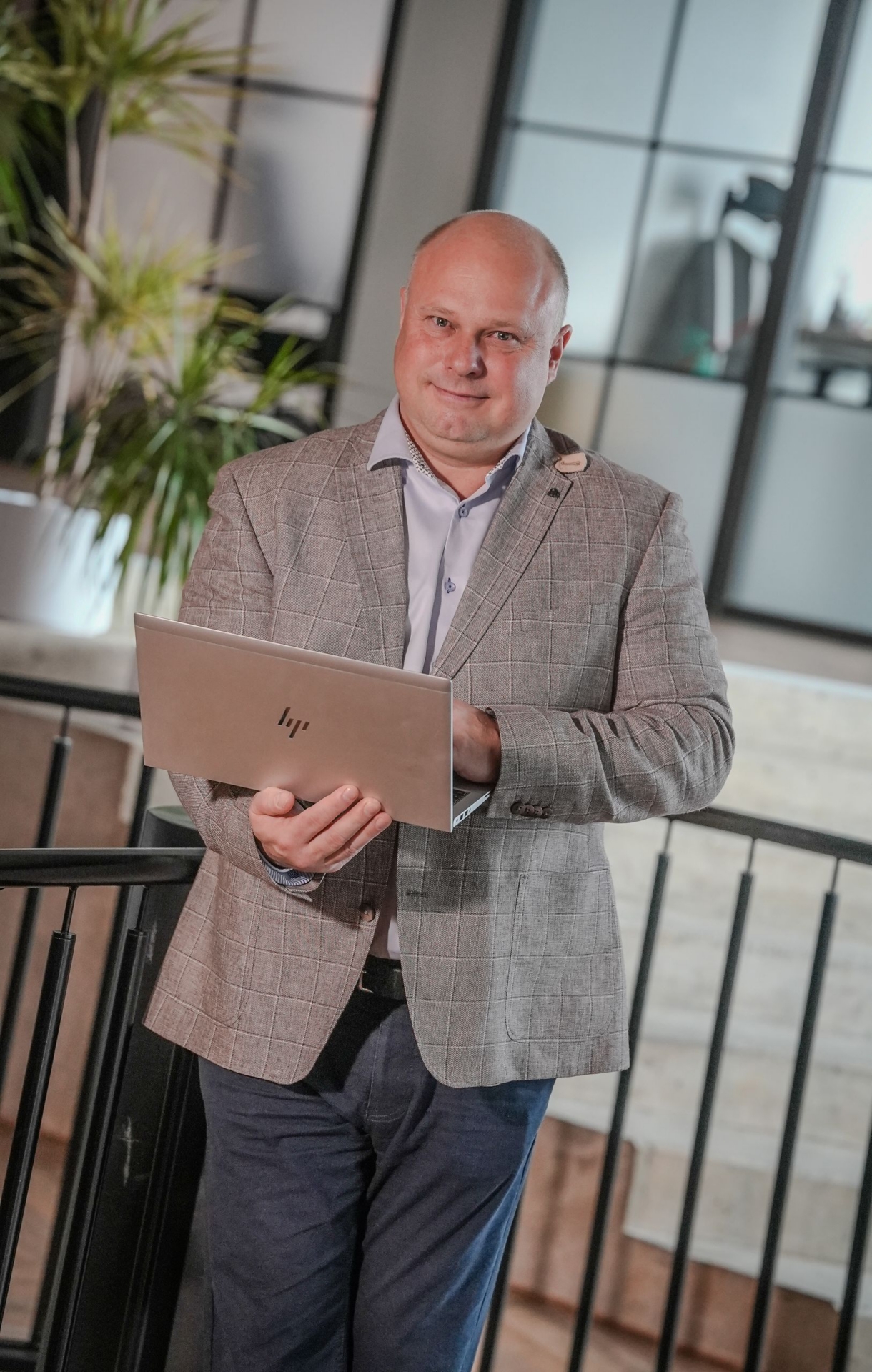
Based at the Tehnopol campus, Circle Tech helps companies and organisations manage the entire lifecycle of IT and smart devices – from selecting the right equipment to replacing it and giving it a second life. However, the connection between Circle Tech founder and CEO Margo Luberg and Tehnopol goes back much further than his current company: he first joined the campus as an entrepreneur 20 years ago.
In 2006, Luberg took part in the Tehnopol Startup Incubator programme, now known as Tehnopol Accelerator, with his previous company Green IT. At the time, the Tehnopol campus was considerably smaller, and companies and the Tehnopol team worked together in an even more compact and close-knit environment than they do today.
“When we first came here, our main expectation was simply to find a space where we could get the company started. But even then, the office space came with additional services for a growing business – sales training, support with business planning and people you could talk to about business on a daily basis,” Luberg recalled.
His previous company grew successfully and, almost ten years later, Luberg made an exit. That positive first experience in entrepreneurship later gave him the confidence to start again. “When you see that one venture has succeeded, it gives you confidence to build another one. Tehnopol also played an important support role during the early stage of that company,” he said.
Nearly two decades later, Luberg returned to Tehnopol with Circle Tech. While looking for business premises for the new company, he noticed that Tehnopol offered more than office space – it also provided a broader business environment and support system. “It gives you a strong launchpad – you can focus on your business while the wider support system is already there. What I like most is that you meet so many motivated people here, people with bright eyes who you can talk to, exchange ideas with and build connections with,” Luberg said.
Buying an IT device is only the beginning of its lifecycle
At the heart of Circle Tech’s business is the question of how companies can manage their IT and smart devices without allowing rapidly developing technology to distract from their core business.
According to Luberg, the pace of technological change means companies must keep their device fleets continuously up to date. Laptops, smart devices, servers and other equipment may remain in business use for only a few years, as needs, software and cybersecurity requirements evolve quickly.
“When a company has a large number of devices, the challenge is how to manage purchasing, use and replacement without it starting to interfere with the core business. Our goal is to help companies turn technology into a business advantage,” Luberg explained.
Circle Tech offers a software solution for device fleet management that allows companies to manage their devices, contracts and assets and retain oversight regardless of whether the equipment is owned or rented.
According to Luberg, effective device management starts before a purchase is even made. A company needs to assess what kind of device an employee actually needs, how long it should remain fit for purpose and how it fits into the company’s broader IT and security strategy. The rapid development of artificial intelligence makes this increasingly important: companies must make more decisions about how much computing power and data should be kept locally and how much should rely on cloud and data centre solutions.
Circle Tech is also developing its platform to make greater use of artificial intelligence in the future. Models are already being trained in the background that could help assess, among other things, the end of a device’s lifecycle, its residual value and opportunities for further use.
A rental model keeps capital in the core business
Circle Tech’s second service line is the rental of IT and smart devices. Although larger companies are usually in a position to purchase devices outright, Luberg believes that tying up capital in assets that lose value quickly is not always the most sensible option.
For Circle Tech, however, the value of the rental model goes beyond financing. It can also automate processes at the end of a device’s lifecycle: the customer does not have to organise data erasure, refurbishment, logistics or resale themselves.
This makes it possible to give devices that are no longer needed by one organisation a second life. A tested, cleaned and warranted device can remain in use for several more years in another organisation.
“With our service, it is possible to keep the same device in use for roughly twice as long. It might spend the first part of its life in business use and the second part, for example, in a local municipality, school or library,” Luberg said.
Circle Tech does not focus only on laptops. Its service covers complete computer workstations, including desktop computers, laptops and monitors, as well as smart devices, servers and storage systems. According to Luberg, lifecycle management is becoming increasingly important for the latter from a cybersecurity perspective as well: if a server remains in use for too long, manufacturer support may end, increasing security risks.
From Estonia to the wider Baltic market
Circle Tech already manages thousands of devices, and Luberg sees the company’s next growth phase primarily in the Baltic market. Many of Circle Tech’s larger customers already operate in Estonia, Latvia and Lithuania and want to use the same service across all three markets.
Looking five years ahead, Luberg sees Circle Tech as a team of around ten people managing tens of thousands of devices.
One of the changes the company wants to encourage in the market is a more lifecycle-based approach to technology. Instead of looking only at the purchase price of a device, companies should consider its entire journey – from initial use to a second user or eventual recycling.
“Car rental is completely normal today – so why shouldn’t device rental become just as common? For a company, the main question is not whether it owns the device, but whether the right technology is available at the right time, costs are under control and capital can be used where it creates more value,” Luberg said.
Luberg also sees plenty of room for Circle Tech itself to grow within the current Tehnopol environment. When he was building his first company, Tehnopol consisted of only a handful of buildings and a relatively small business community. Twenty years later, it has grown into a large technology campus.
In that sense, the circle has come full circle: a founder who once joined Tehnopol as an early-stage entrepreneur is now back on campus with a new company – and the next phase of growth is only beginning.
Technology companies of different sizes and at different stages of development are welcome at the Tehnopol campus – from early-stage teams to established businesses. Office and workspaces can be adapted to suit a company’s needs, and as those needs change, it is possible to find a suitable solution for the next stage of growth as well. In addition to workspace, the campus offers access to a community of technology companies that creates opportunities for new connections, collaboration and the exchange of ideas. Read more about the opportunities available at the Tehnopol campus here.
You might be interested in
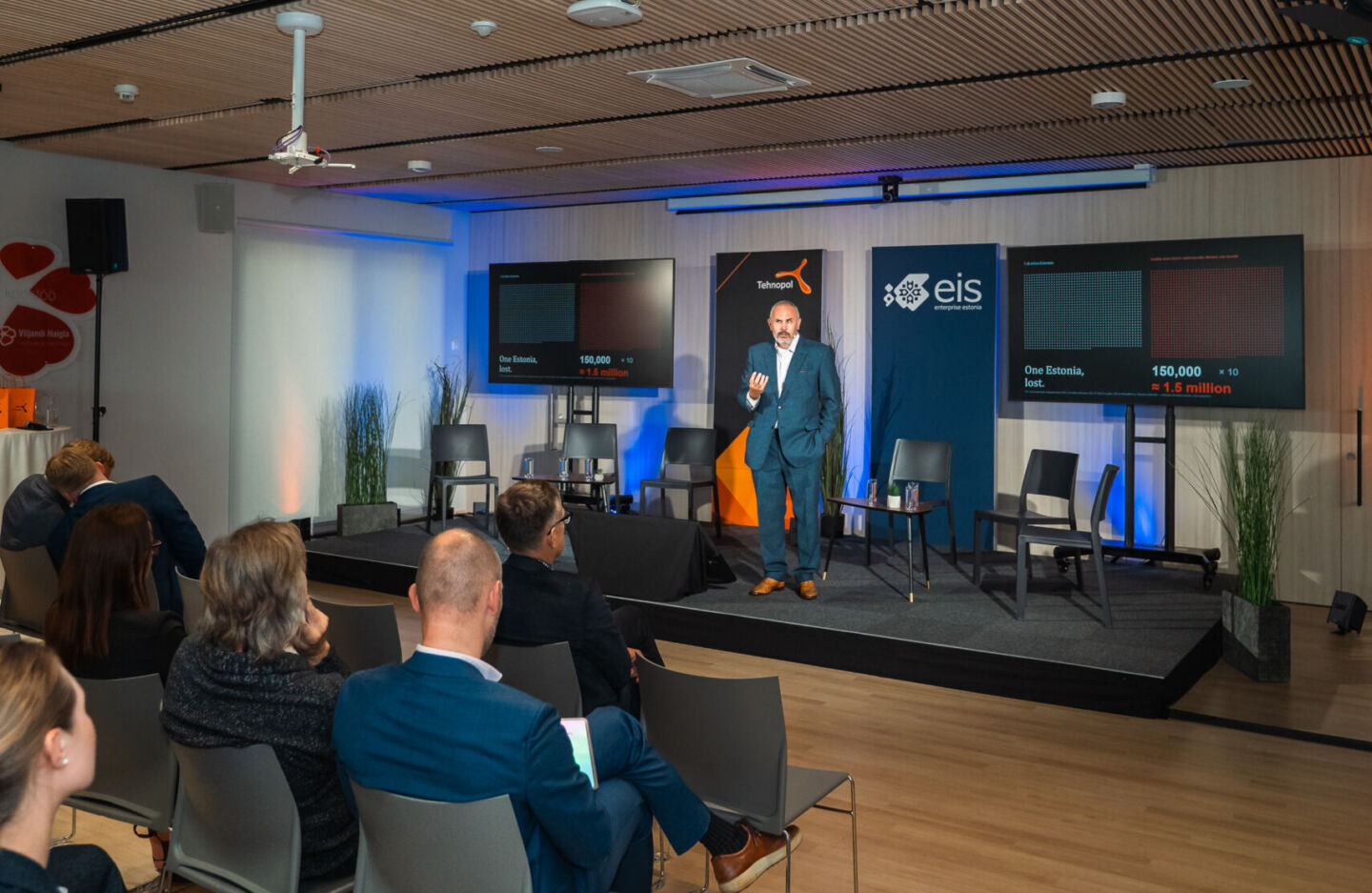
Jason Grenfell-Gardner: Estonia’s health innovation goal should be to achieve 65 years lived in good health
When discussing the future of health innovation, it is easy to focus on artificial intelligence, personalised medicine, robotics or new medicines. However, at Tervisekogukonna Kärajad, Jason Grenfell-Gardner, founder of the pharmaceutical company...
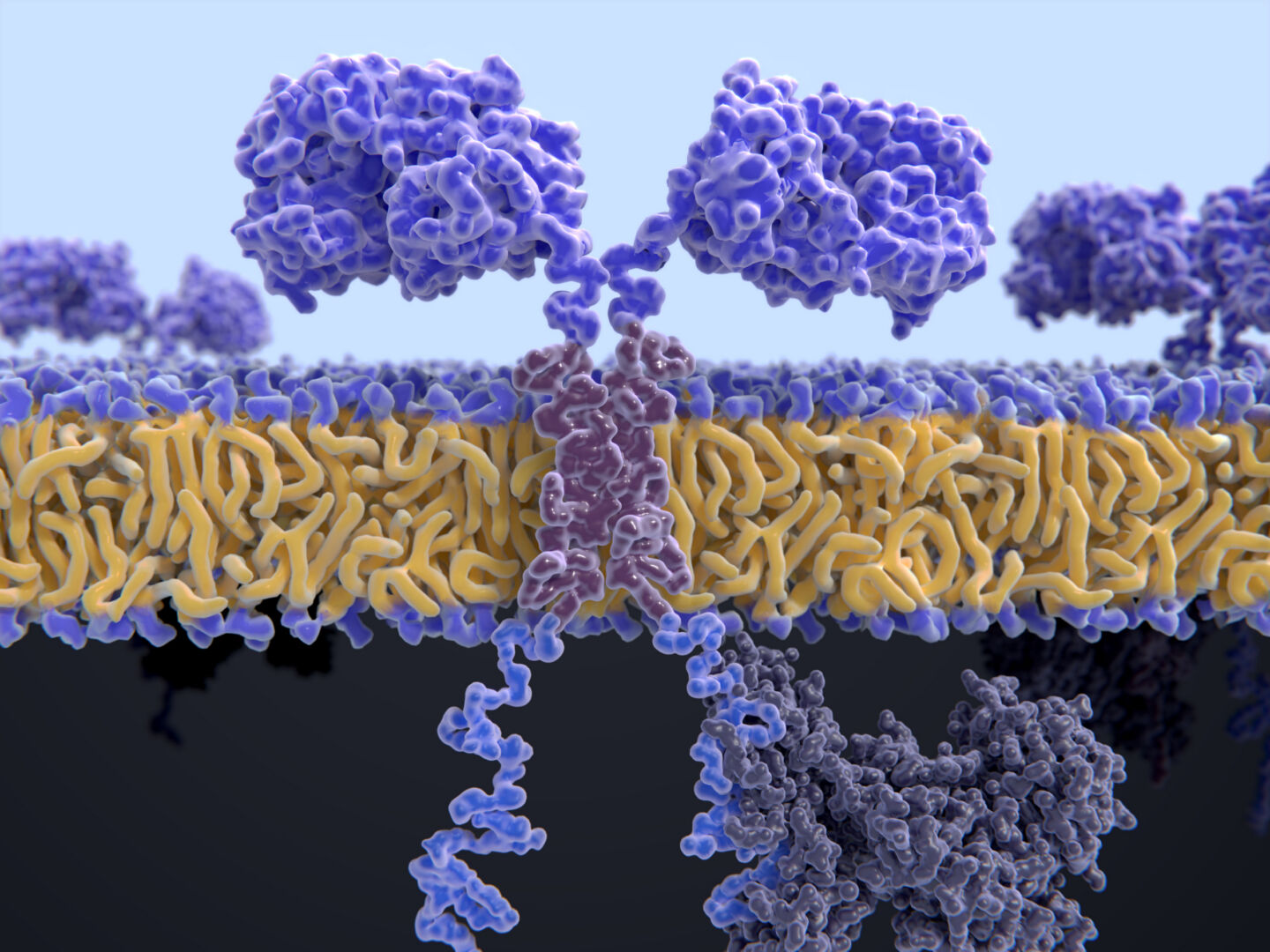
UK cancer-therapy company strikes deal to manufacture CAR-T treatment in Estonia
A London-listed biotech company Hemogenyx Pharmaceuticals has signed a binding agreement with Cellin Technologies, an Estonian cell-therapy company based in Tehnopol Science and Business Park, to manufacture and roll out its CAR-T...
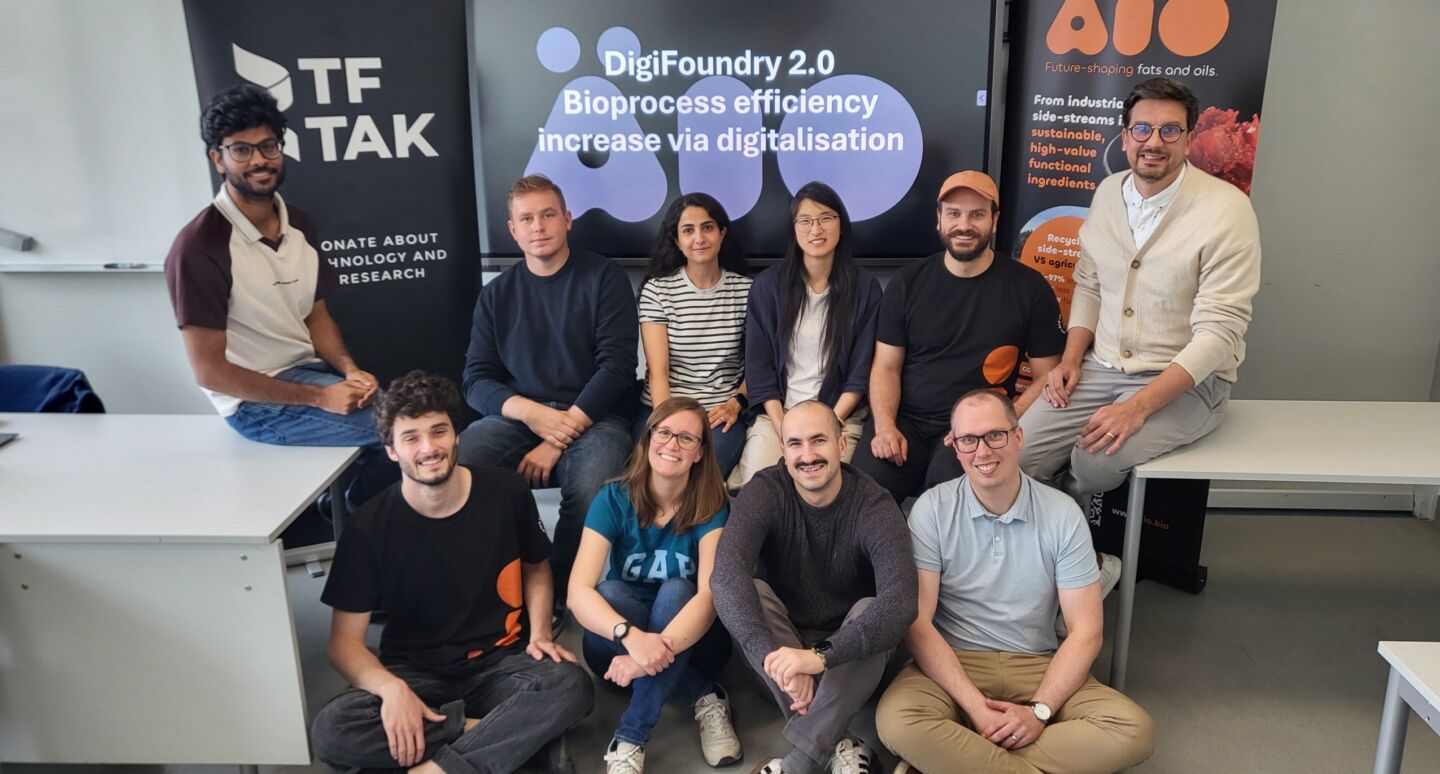
ÄIO and TFTAK secure €1.94M to make microbial oil production faster, smarter and more competitive
ÄIO and TFTAK, Tehnopol campus community members, have launched DigiFoundry 2.0 – Bioprocess Efficiency Increase via Digitalisation (DF2.0), a three-year research and development project focused on developing next-generation technologies for microbial oil...