
GSAI startups strengthen marketing, sales and team performance in Tallinn
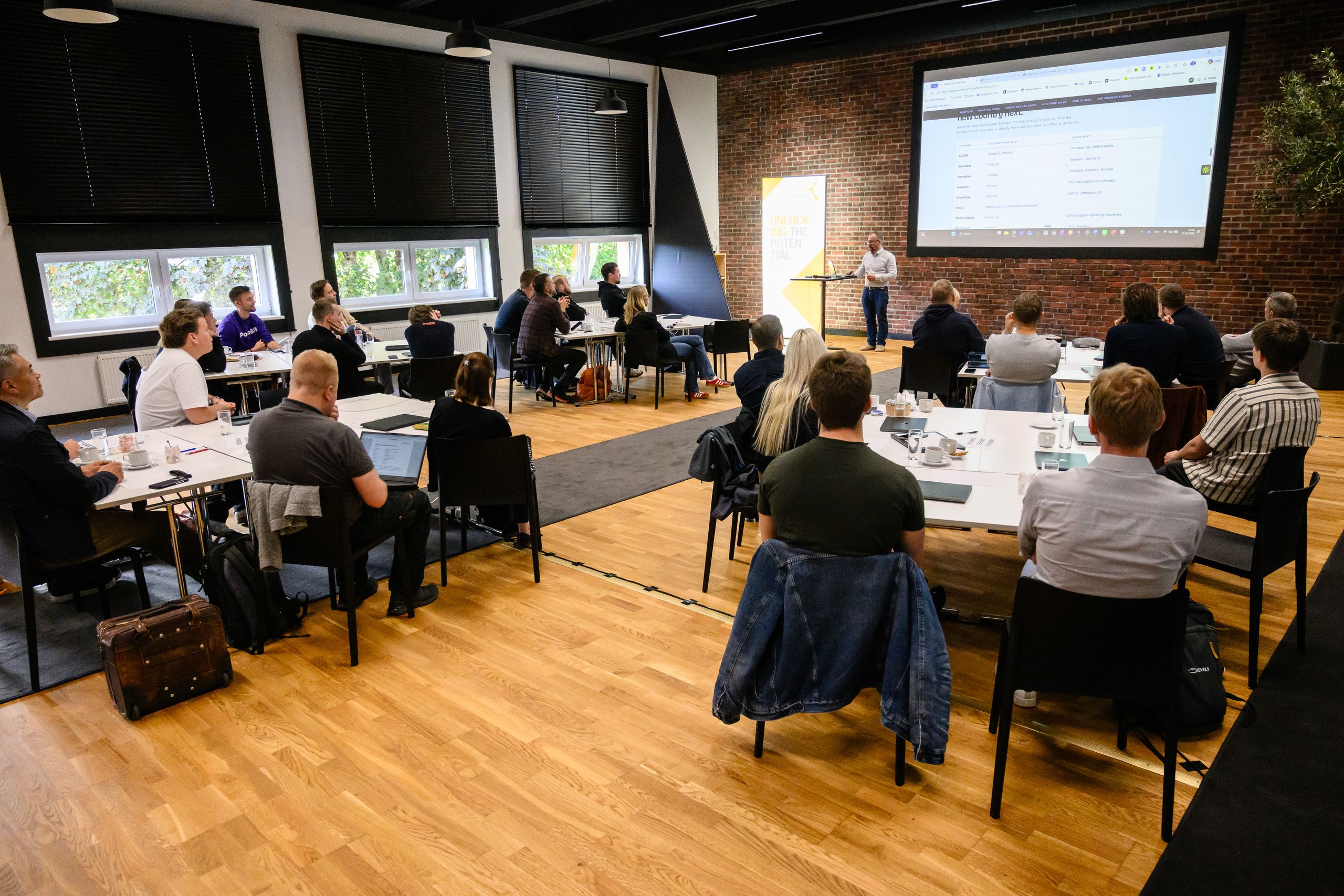
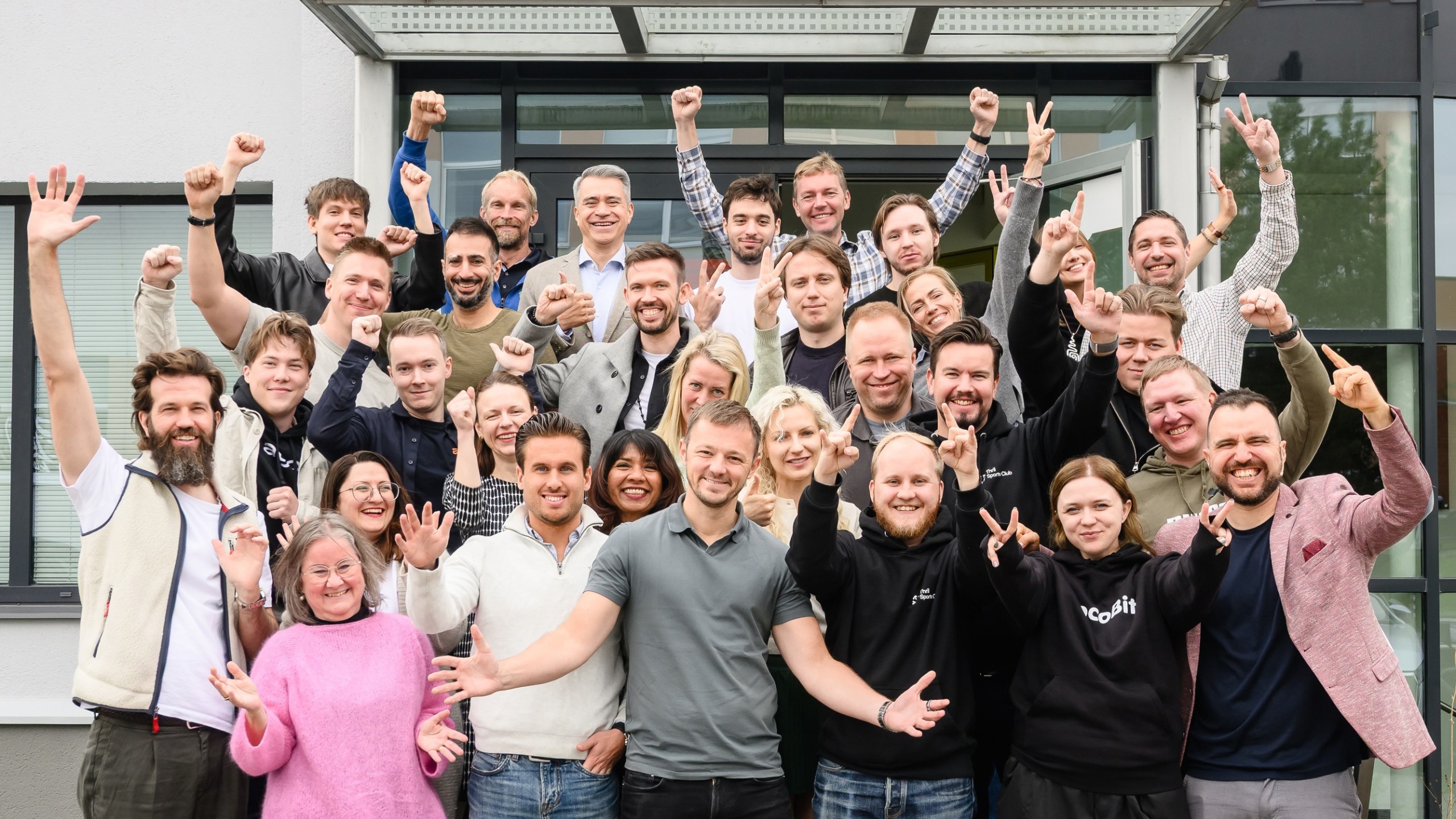
Startups from Estonia, Finland and Sweden gathered in Tallinn on 15 and 16 September 2026 for the third sprint of the Growth and Scaling Through AI (GSAI) programme. The two-day Growth Essentials sprint focused on three capabilities needed for international growth: reaching the right market, understanding why customers buy and building a team that can stay focused as the business grows.
GSAI supports startups in using AI applications to develop or improve their value proposition, business model, products and operations. The programme helps companies prepare for scaling and entering their first or next EU market.
Integrating AI alone does not make a startup ready to scale. Companies must also know which customer problem they solve, who is willing to pay for it and where their teams should focus.
“The Tallinn sprint helped participating startups connect AI and product development to the marketing, sales and team capabilities needed for international growth. By bringing companies and experts from across the Central Baltic region together, GSAI also gives teams a valuable opportunity to learn from each other,” says Eva Poll, GSAI Project Manager at Tehnopol.
Test before you scale
The first day opened with growth marketer Mariliis Uibomäe, who has more than 15 years of experience and has worked across over 50 countries.
Entering a new market often involves more than adapting a campaign or translating a website. Companies may face different regulations, economic conditions, competitors, customer expectations and operational challenges. During the workshop, participants mapped the barriers relevant to their target markets and discussed how to reduce the risks.
Uibomäe encouraged the startups to start small and test their assumptions. A defined customer segment, limited test budget and clear success criteria can help a company decide whether it should continue, adjust its approach or stop before making a larger investment.
The workshop also explored how AI can support market research, customer segmentation, campaign testing, lead prioritisation, personalisation and repetitive marketing tasks. The aim, however, is not to adopt as many new tools as possible.
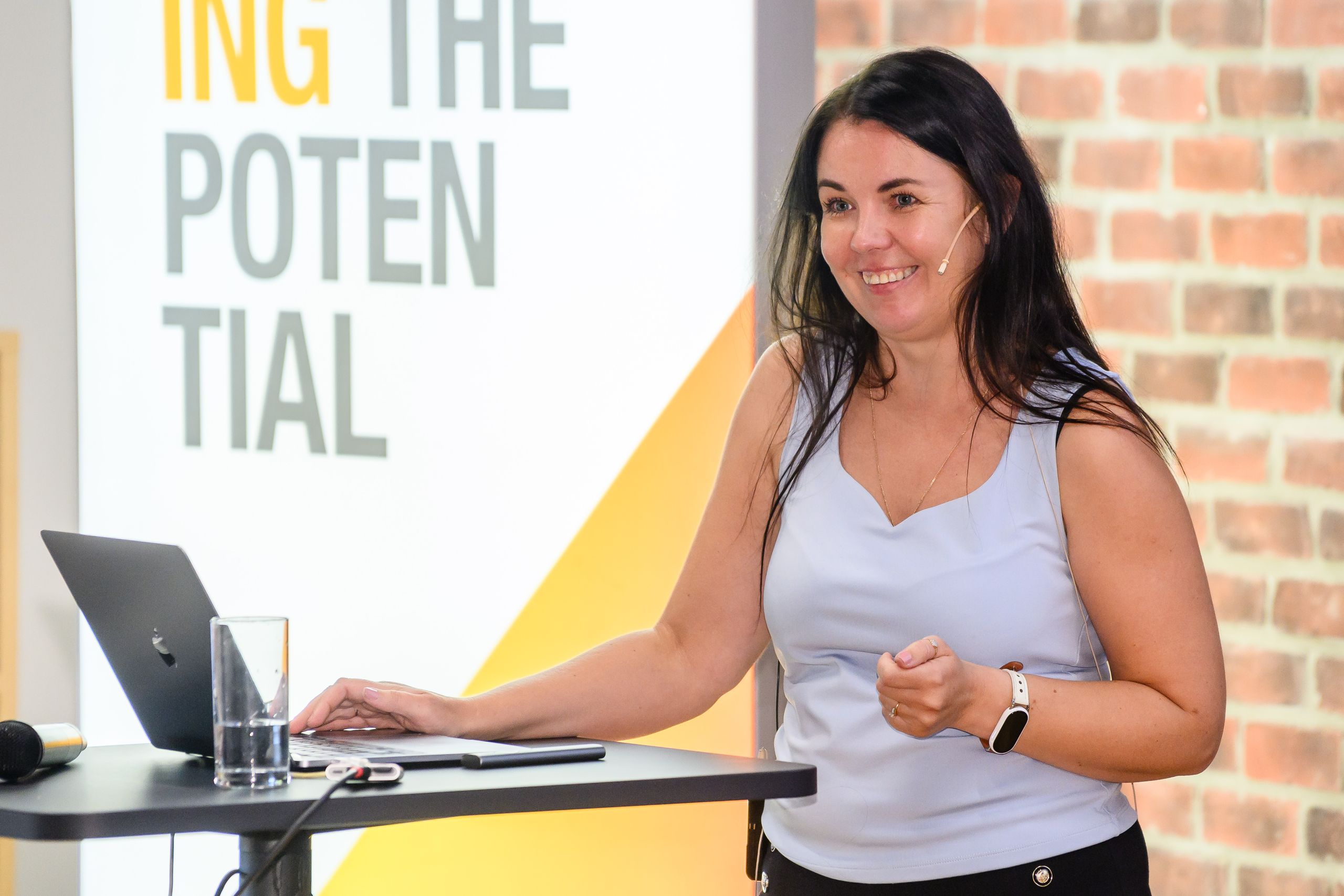
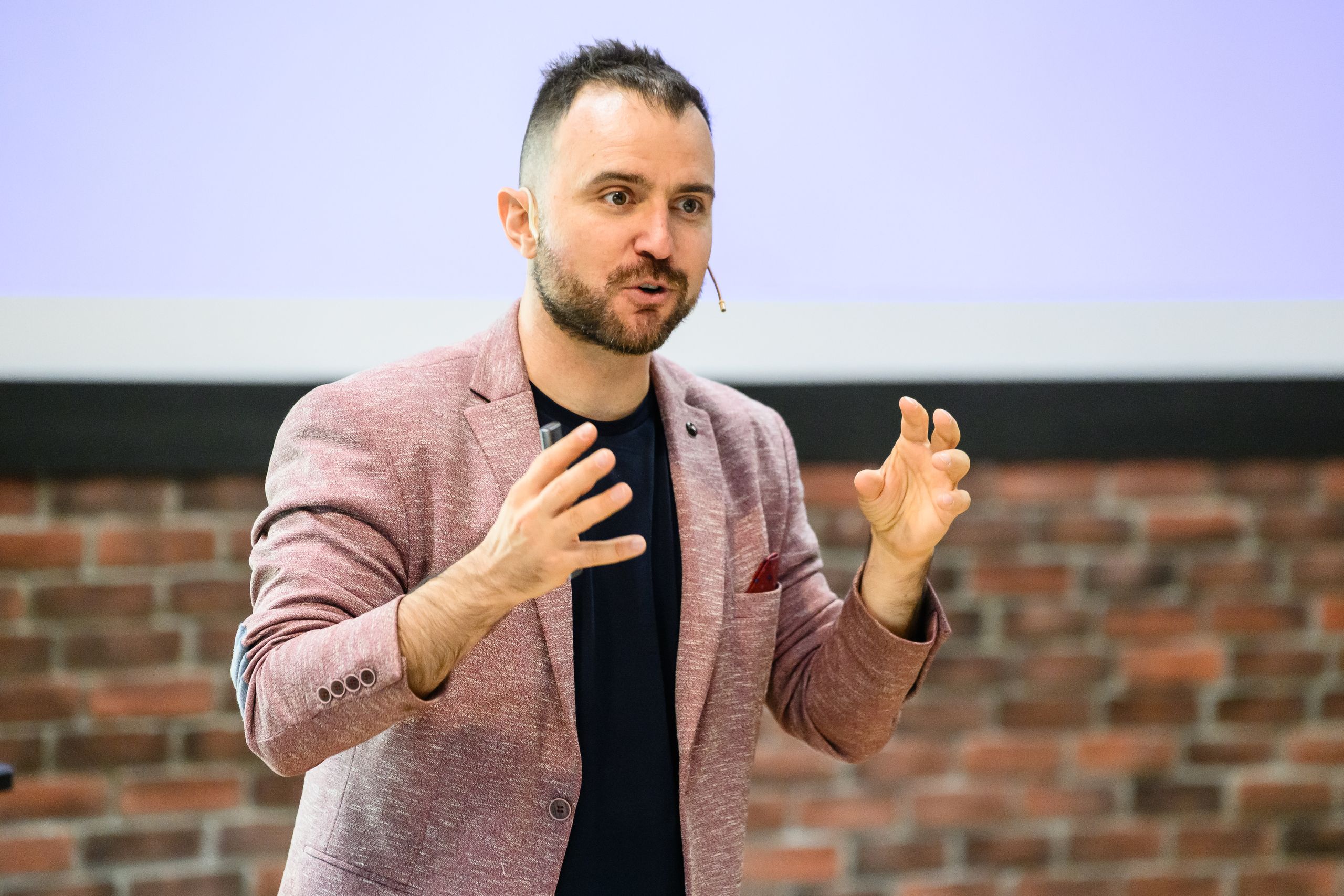
“You do not need to collect marketing channels and AI tools like Pokémon. Growth comes from knowing who you are selling to, where they make decisions and what you expect each channel to achieve. If AI does not help you grow revenue, reduce costs or learn faster, it is probably just another shiny toy in your marketing stack. Use AI to speed up testing, then scale only what the market proves is worth scaling,” says Mariliis Uibomäe.
Mariliis Uibomäe. Photo: Eiko Lainjärv
Do customers like the idea or will they buy it?
The second part of the first day focused on B2B customer discovery, sales and positioning with Kalev Kaarna. A former investor and startup coach, Kaarna currently works on R&D sales at Metrosert’s Applied Research Centre.
Positive customer feedback can be encouraging, but it does not necessarily mean that someone is ready to buy. Kaarna challenged participants to look beyond compliments and examine how customers actually behave.
Instead of asking whether someone likes an idea or might buy a future product, startups can ask when the problem last occurred, how the customer dealt with it, what alternatives they tried and where the problem ranks among their other priorities.

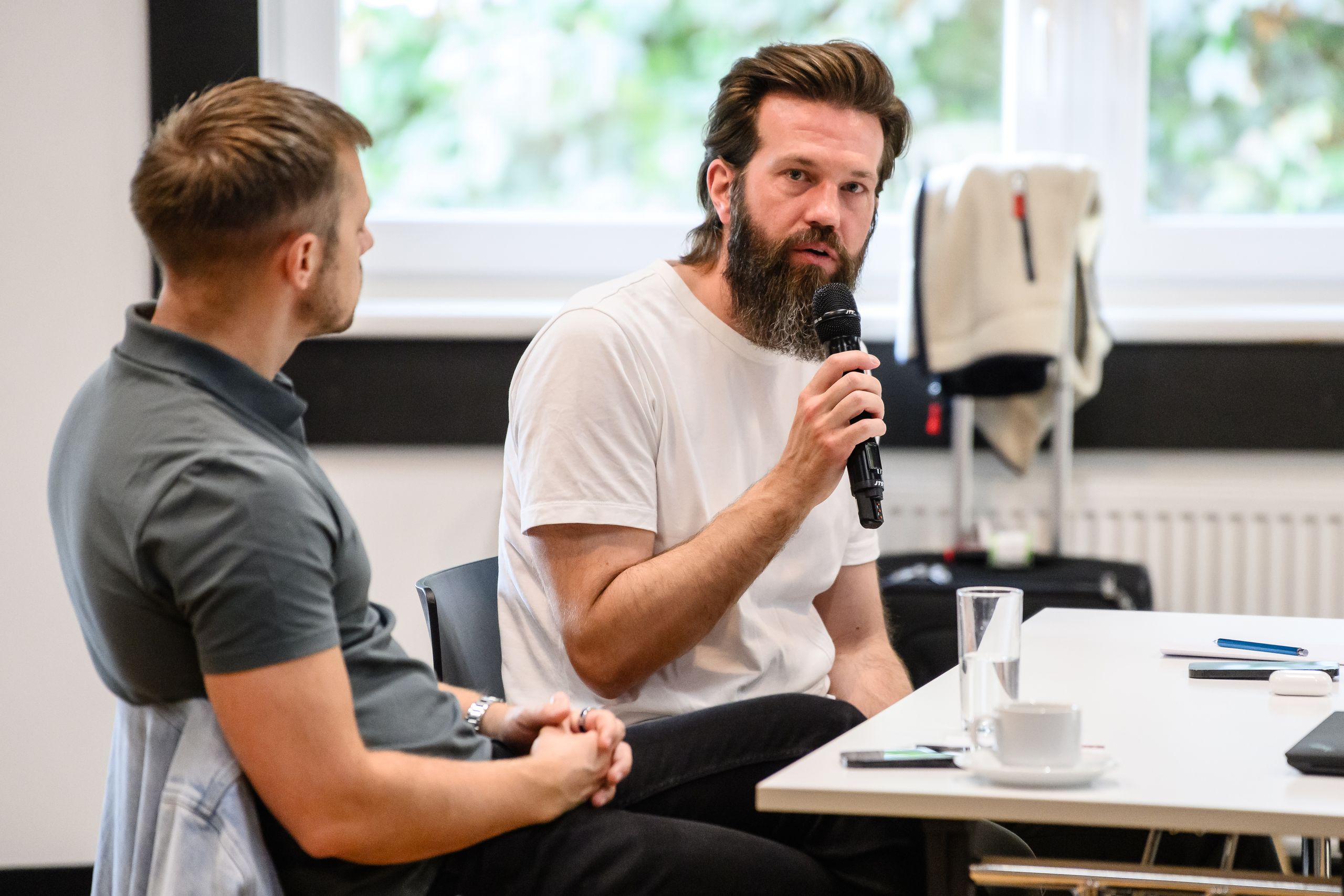
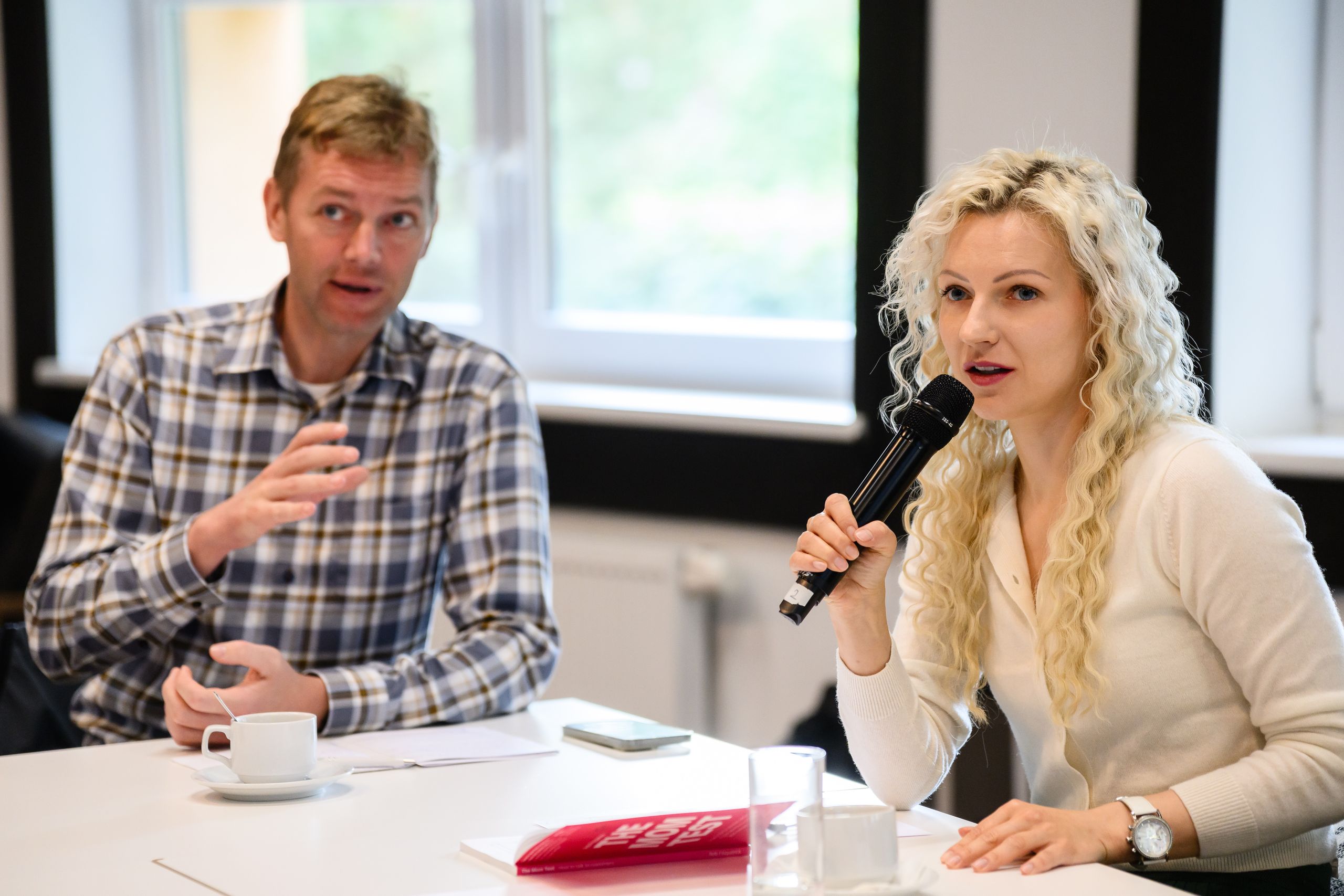
“When a customer praises your solution, you have learned nothing about their problem. Ask straight back: where this problem ranks on their list, and what they did about it in the last month. It is very painful to be the number one solution for your customer’s eighth problem,” says Kalev Kaarna.
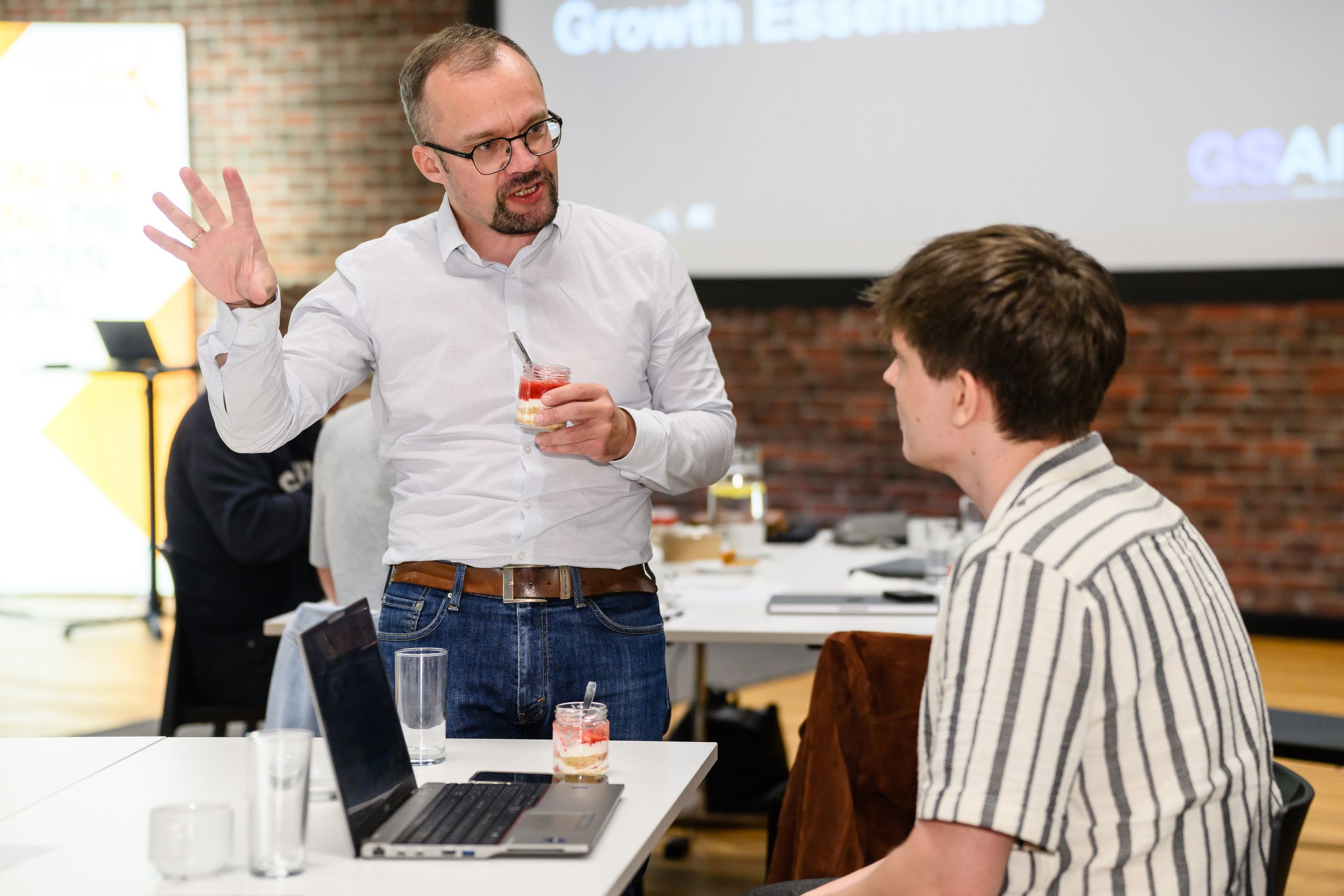
Kalev Kaarna. Photo: Eiko Lainjärv
The workshop also looked at what makes customers change their existing way of doing things. The need to solve a problem and the benefits of a new solution must outweigh familiar habits, implementation difficulties and the fear of making the wrong decision.
Participants then worked on explaining their products from the customer’s point of view. Features describe what a product does. A strong value proposition explains what the customer will be able to achieve because of it.
For MS Forest, one of the participating companies, the first day’s discussions about visibility, marketing channels and the appropriate use of AI were particularly relevant. MS Forest combines inventory data, remote sensing and user input in one forest management platform, helping forest owners and managers monitor forests and make better-informed decisions.
“For us, the most valuable aspects of the sprint were assessing the visibility of our company and its products and services with the help of AI, as well as receiving recommendations on how to select the right marketing channels. It was also important to address the risk of overusing AI and discuss ways to avoid it,” says Aigar Kallas of MS Forest.
Does the calendar reflect the priorities?
The second day turned to team performance and productivity with consultant and bestselling author Stoyan Yankov, who has worked with more than 550 companies in 35 countries.
Using the PERFORM approach, participants explored how shared purpose, meaningful values, clear priorities and regular planning can help a team perform well without losing focus.
The workshop invited founders to step back from their daily task lists and consider why their companies exist, what problems they are committed to solving and whether their calendars reflect their most important goals.
In one exercise, participants compared how they currently spend their time with what an ideal working week would look like. This helped reveal whether the team’s daily activities were genuinely aligned with its stated priorities.
Yankov also introduced questions teams can use for regular reflection: What did we achieve? What did we learn? What did we fail to complete, and why? Have our goals or priorities changed?
For a growing startup, the challenge is often not a lack of opportunities but choosing which ones deserve attention. Clear goals and responsibilities help the team make those choices together and keep moving in the same direction.
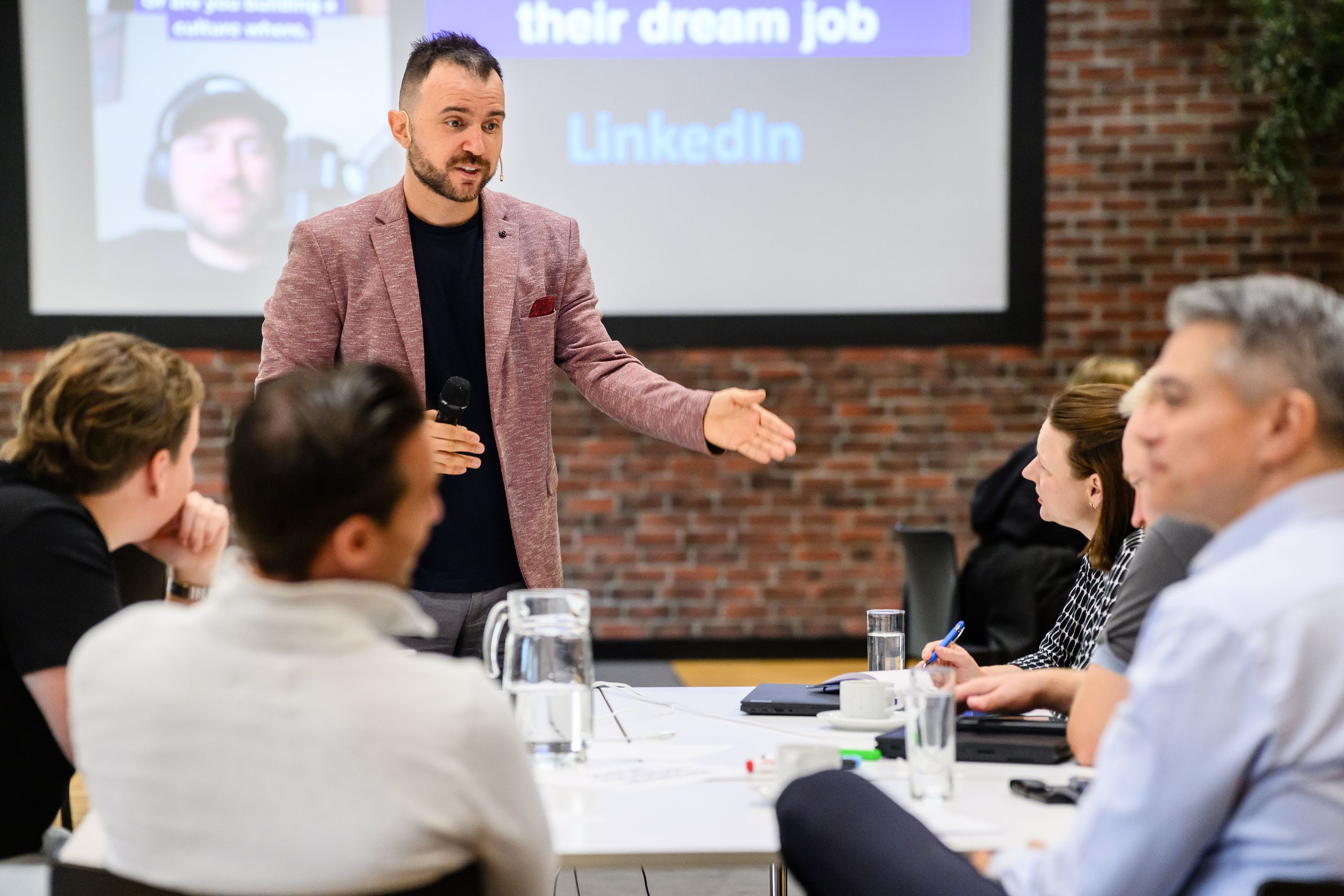
Stoyan Yankov. Photo: Eiko Lainjärv
Next stop: Growth Convergence in Salo
The fourth and final GSAI sprint will take place in Salo, Finland, on 2 and 3 February 2027. The participating companies will bring together what they have learned about market discovery, AI development and scaling and refine their growth plans.
During the final sprint, the teams will connect the knowledge gained throughout the programme with concrete next steps and present their plans to investors and other key stakeholders.
Startups interested in joining the next GSAI cohort will be able to apply in 2027.
About GSAI
Growth and Scaling Through AI is a cross-border programme for startups from Estonia, Finland and Sweden that are preparing for the scale-up phase. It helps participating companies use AI applications to develop or improve their value proposition, business model, products and operations, with the aim of entering their first or next EU market.
Through international sprints, workshops, market discovery visits, investor meetings, peer learning and business coaching, startups build practical skills in international expansion and AI integration while strengthening their networks across the Central Baltic region.
GSAI is led by Movexum in partnership with AI Sweden, Yrityssalo and Tehnopol. The programme is co-funded by the Interreg Central Baltic Programme.

You might be interested in
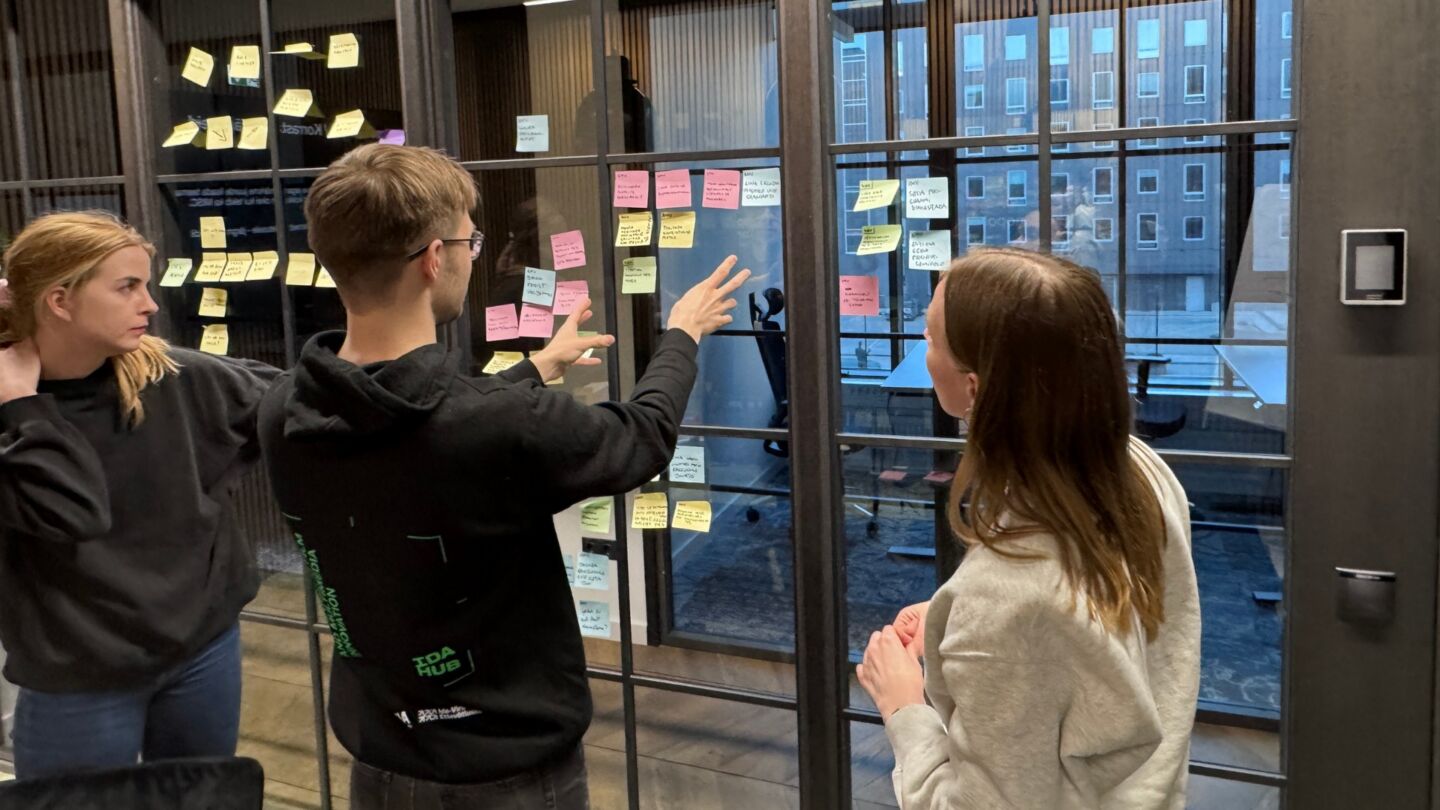
Startup story: Setvox X Film and Multimedia Accelerator
Each year, dozens of high-potential startups develop their products and services in Tehnopol’s accelerator programmes. One of the teams currently participating in the Film and Multimedia Accelerator is Setvox. Setvox is a...
Seven companies selected for Cyber Accelerator to develop new solutions for preventing cyber threats
Tehnopol Accelerator, in cooperation with the Estonian Information System Authority (RIA) and the European Cybersecurity Competence Centre (ECCC), runs the Cyber Accelerator, which supports cybersecurity startups in developing and bringing new products...

Startup story: CineGlue X Film and Multimedia Accelerator
Each year, dozens of high-potential startups develop their products and services in Tehnopol’s accelerator programmes. One of the teams currently participating in the Film and Multimedia Accelerator is CineGlue. CineGlue is an...