
Viljandi Hospital tests a voice assistant to support safe recovery at home for patients aged 65 and older
Viljandi Hospital has launched a pilot project to develop and test a voice assistant called Aino that supports health management. The aim of the new solution is to support older patients in managing safely after hospital treatment and to identify potential health and daily living challenges before they become more serious. The pilot project is supported by the Ministry of Social Affairs’ “Welfare Technologies Innovation Programme“.
The project focuses on patients aged 65 and older who have multiple chronic conditions and require additional support after returning home from hospital. In the first phase of the project, the voice assistant will be used to contact approximately 20 patients who have received treatment at Viljandi Hospital.
As part of the pilot project, a health management solution based on voice assistant technology is being developed. After returning home from hospital, the patient receives an initial phone call from the voice assistant. The assistant asks about agreed activities, such as taking medication, monitoring blood pressure and upcoming appointments. It also asks about the patient’s wellbeing and ability to manage daily activities, records the responses and analyses the collected information.
If the conversation indicates that the patient’s health condition has deteriorated or that additional support is needed, the information is forwarded to a Viljandi Hospital nurse or health coordinator. This allows healthcare professionals to quickly contact the patient, clarify the situation and arrange further support if needed. In this way, the solution helps identify potential problems earlier and ensures that the necessary assistance reaches the person at the right time.
According to Hillar Petersen, Head of the Medical and Information Technology Service at Viljandi Hospital and the project lead, preparations for the project began in May and June, when the main reasons why people require readmission after returning home from hospital were mapped together with healthcare professionals.
“We interviewed family doctors, internal medicine specialists and hospital health coordinators to identify what challenges may occur after discharge and when would be the most appropriate time to contact patients in order to detect possible support needs early. Based on the information collected, we developed the first ten question areas to ask patients two to three days after they leave hospital,” Petersen explained.
During the summer, a hospital nurse and health coordinator tested calling patients and evaluated the relevance of the questions. Based on this work, the initial scenario for testing voice assistant calls was developed.
“The goal of the voice assistant is not to replace healthcare professionals, but to help us reach people at the right time who may need additional support after returning home from hospital. If the assistant identifies a potential risk signal in a patient’s responses, a healthcare professional can take over and continue working with the person personally,” Petersen added.
The project includes technology partner CallVA (callva.io), with whose support the voice assistant calls are being tested. In September and October, the focus will be on further testing of the calls and developing scenarios for situations where a potential risk signal is identified in a patient’s responses. The pilot project will continue until the end of October, after which the results will determine whether a follow-up project will be submitted within the same programme to integrate the technology into everyday processes.
The broader goal of the project is to increase the safety and independence of older patients and people with multiple chronic conditions in their home environment. At the same time, preventive monitoring can help reduce the burden on healthcare and social care systems, as well as on patients’ families.
In the future, the use of the voice assistant could be expanded further.
The voice assistant is one possible solution for supporting patients in managing at home. By combining it with other solutions and better connecting healthcare and social care services, important information collected from different sources about a patient, could reach health coordinators through a unified platform. This would enable earlier identification of support needs, better coordination of assistance and make independent living at home significantly safer for older people.
In the future, the use of the voice assistant could be expanded further. For example, the system could notify family doctors when a patient is discharged from hospital and support the monitoring of people living at home across other care pathways as well. Such a preventive approach can help more people receive safe support at home instead of requiring hospital care and contribute to making healthcare more patient-centred and sustainable.
The pilot project involves several Viljandi Hospital specialists: Maia-Liisa Suigusaar, Head of the Nursing Centre of the Somatic Care Clinics; Merit Tekko, Head of the PAIK service; Janne Klusova, Head of the Bed Fund of the Nursing Centre of the Somatic Care Clinics; and Krista Valdvee, Head of Cooperation Services.
The project is co-financed by the European Union through the European Regional Development Fund.
Photo: Hillar Petersen at the Wellbeing Technologies Festival (photo by Raul Mee).
The article was published on 08.09.2026 on the Viljandi Hospital website.
You might be interested in
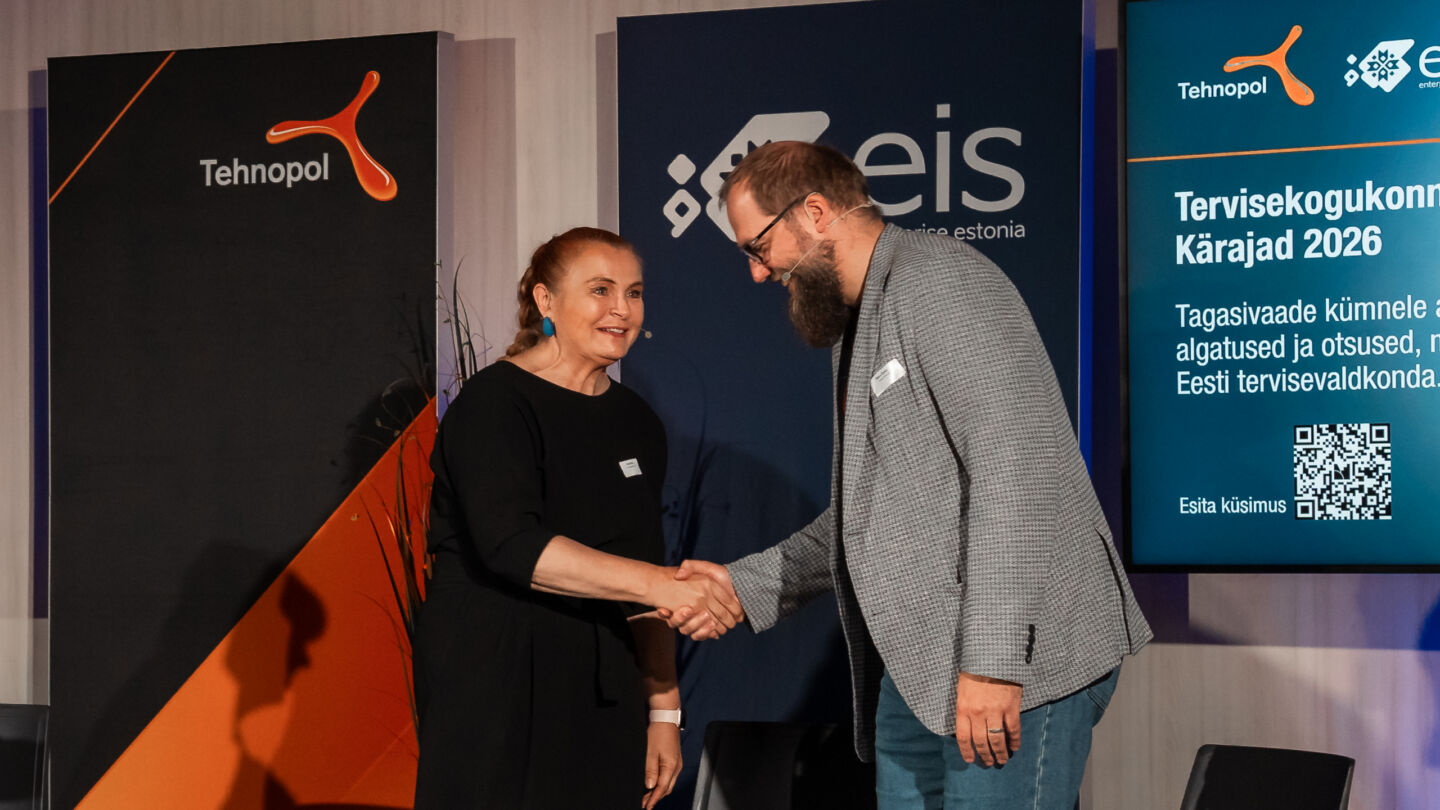
The next leap forward in Estonian healthcare depends on collaboration and a willingness to change
Estonia is seeing more healthtech companies and new solutions emerge than ever before, but the healthcare system’s capacity to adopt them has not kept pace. At a panel discussion during Tervisekogukonna Kärajad,...
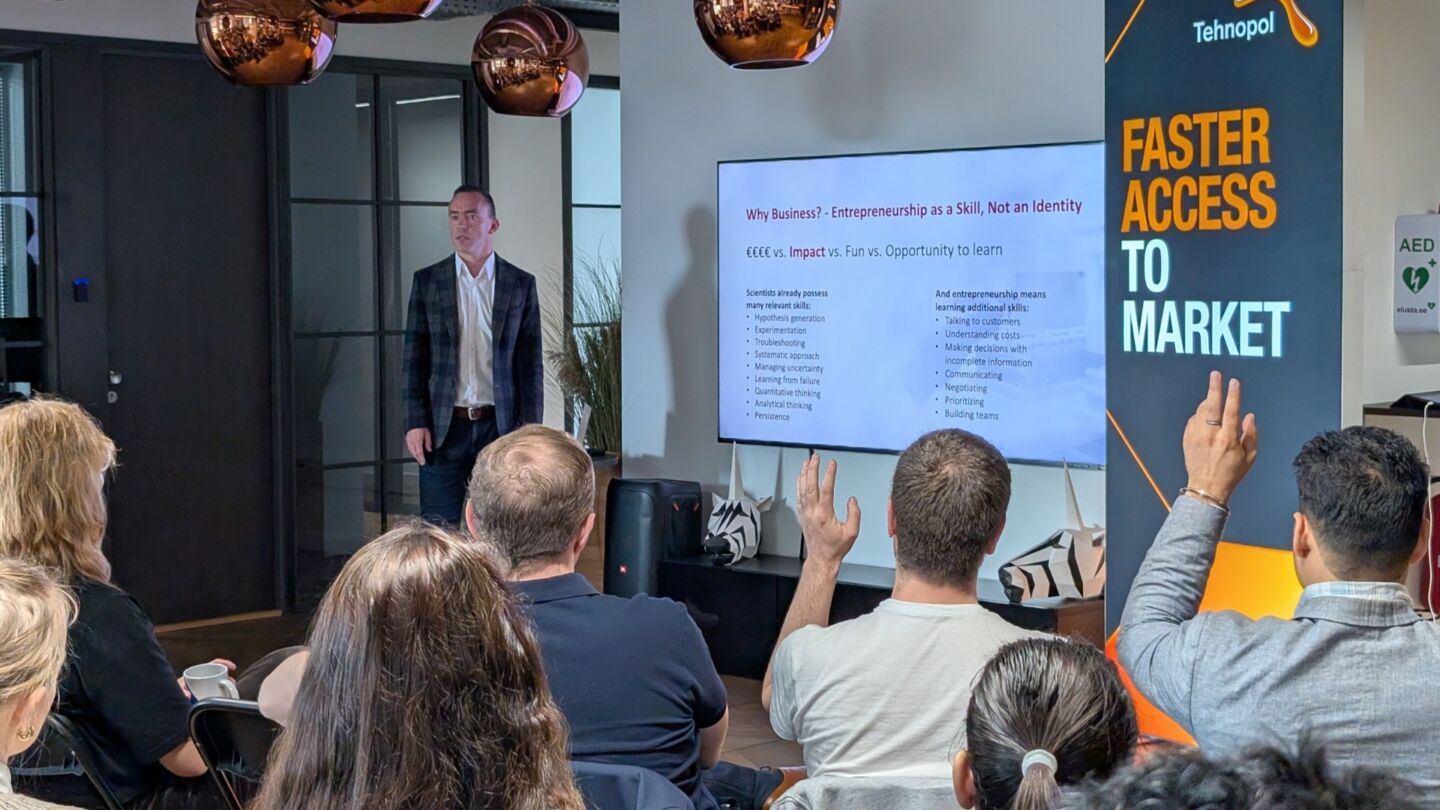
From scientific discovery to real-world impact: What researchers should know about entrepreneurship
Turning a scientific discovery into a successful business requires more than innovative technology. Researchers must learn to identify real-world problems, work with experts from different fields and understand what it takes to...
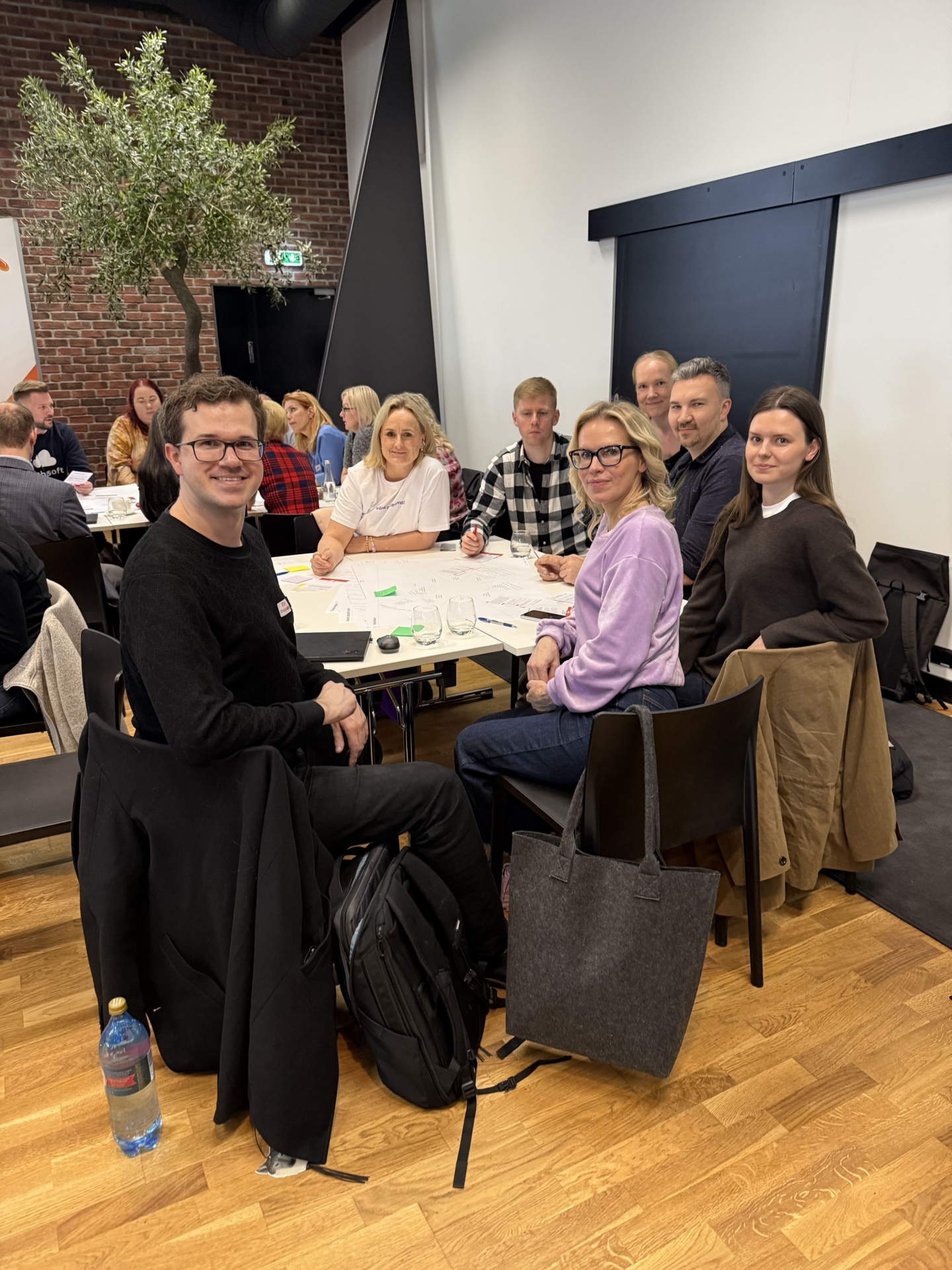
New digital support platform for cancer patients being tested in Saaremaa
A pilot project has been launched in Saaremaa to develop and test a digital support environment for cancer patients. The aim of the solution is to bring together information about services supporting...