
Four solutions, one important lesson: Technology must be built around people’s needs
The first stage of the Welfare Technology Program, implemented jointly by Tehnopol, Civitta and the Estonian Academy of Arts, has concluded, with participating teams reaching important milestones in developing their solutions. The new technologies aim to encourage physical activity among older people, identify support needs among patients returning home from hospital, prevent cardiovascular diseases and make living at home safer, among other things. The experiences of four participating teams show how an initial idea can be transformed into a working solution and service model.
The Welfare Technology Program, initiated by the Estonian Ministry of Social Affairs, aims to identify and introduce innovative technology-based solutions that help older people and adults with disabilities live independently and safely in their own homes for as long as possible, reduce the care burden on family members and make carers’ work easier.
During the first stage of the programme, teams developed and tested their solutions, involved users and collaborated with healthcare and social care institutions, local authorities and other sector partners. Some solutions are already being tested in people’s homes, while others are preparing for their first pilot projects or clinical trials.
User feedback helps create more effective solutions
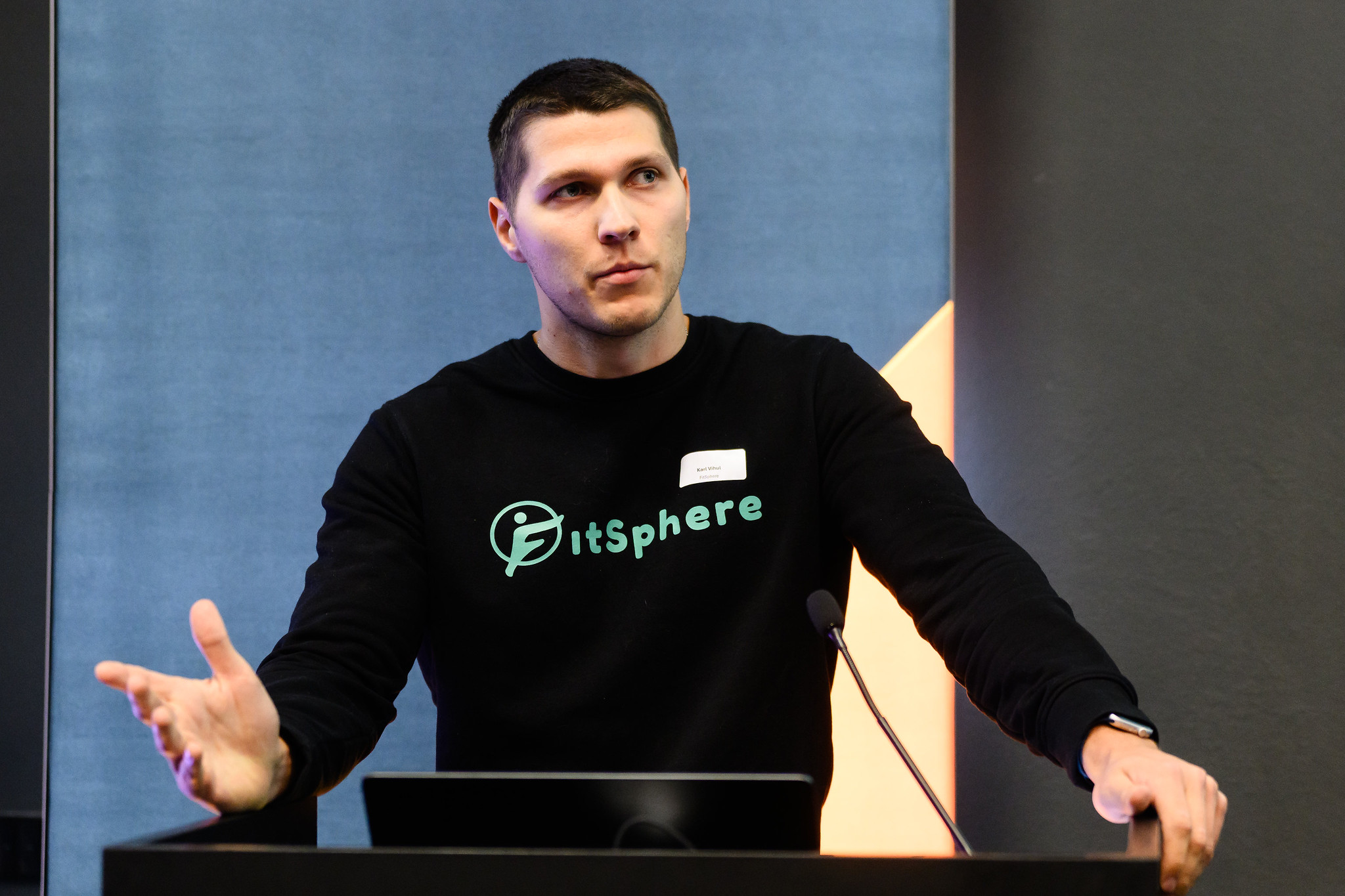
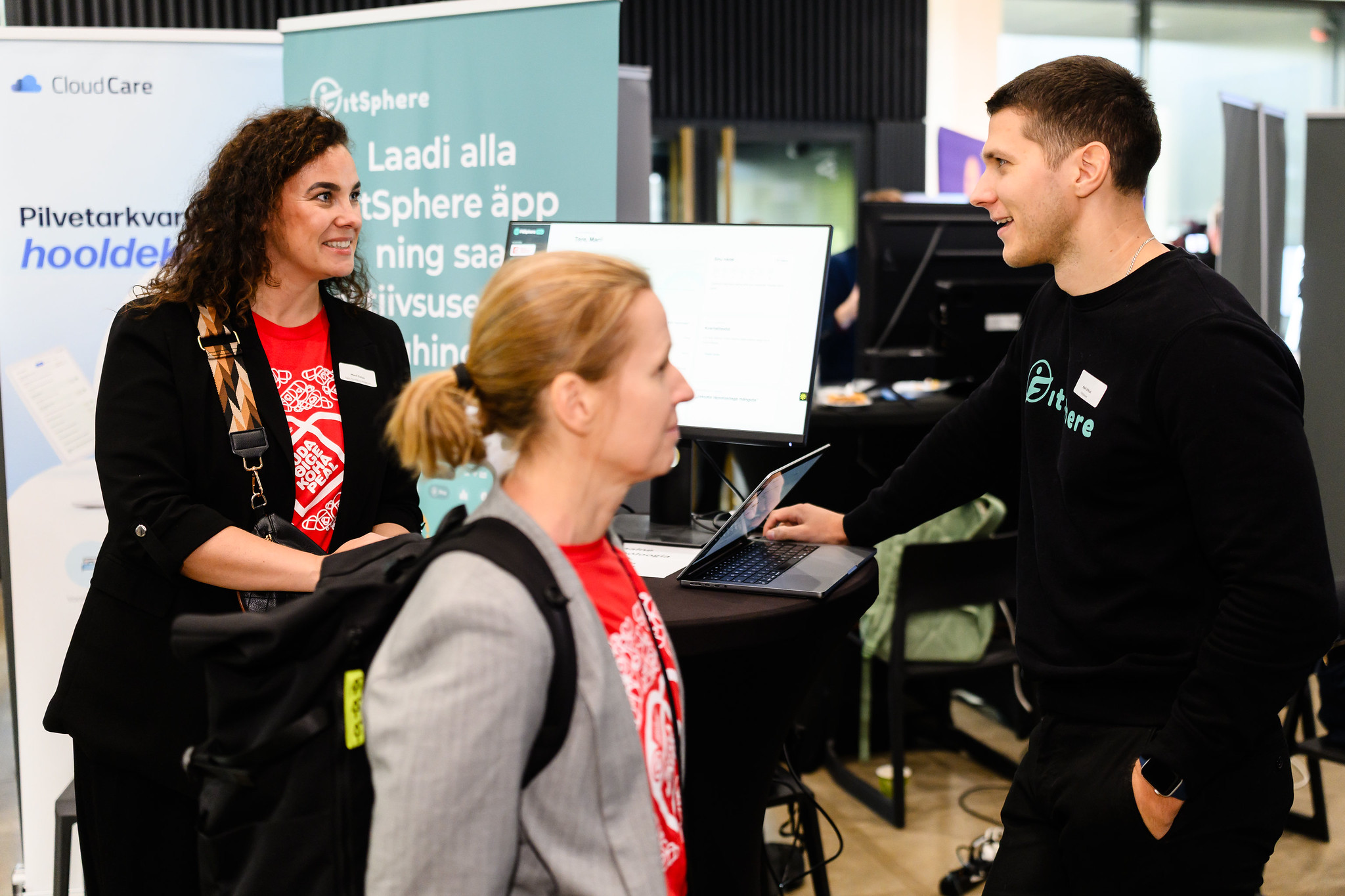
One of the participating companies is FitSphere, which aims to help older people establish and maintain regular physical activity habits. Initially, the company planned to make its existing FitSphere mobile app more user-friendly for older people, but interviews with potential users revealed the need for a different approach.
“When we started talking to end users, we received feedback that the app needed to be available in a more accessible environment for older users, and that additional support would also be necessary,” explained Karl Vihul, CEO of FitSphere.
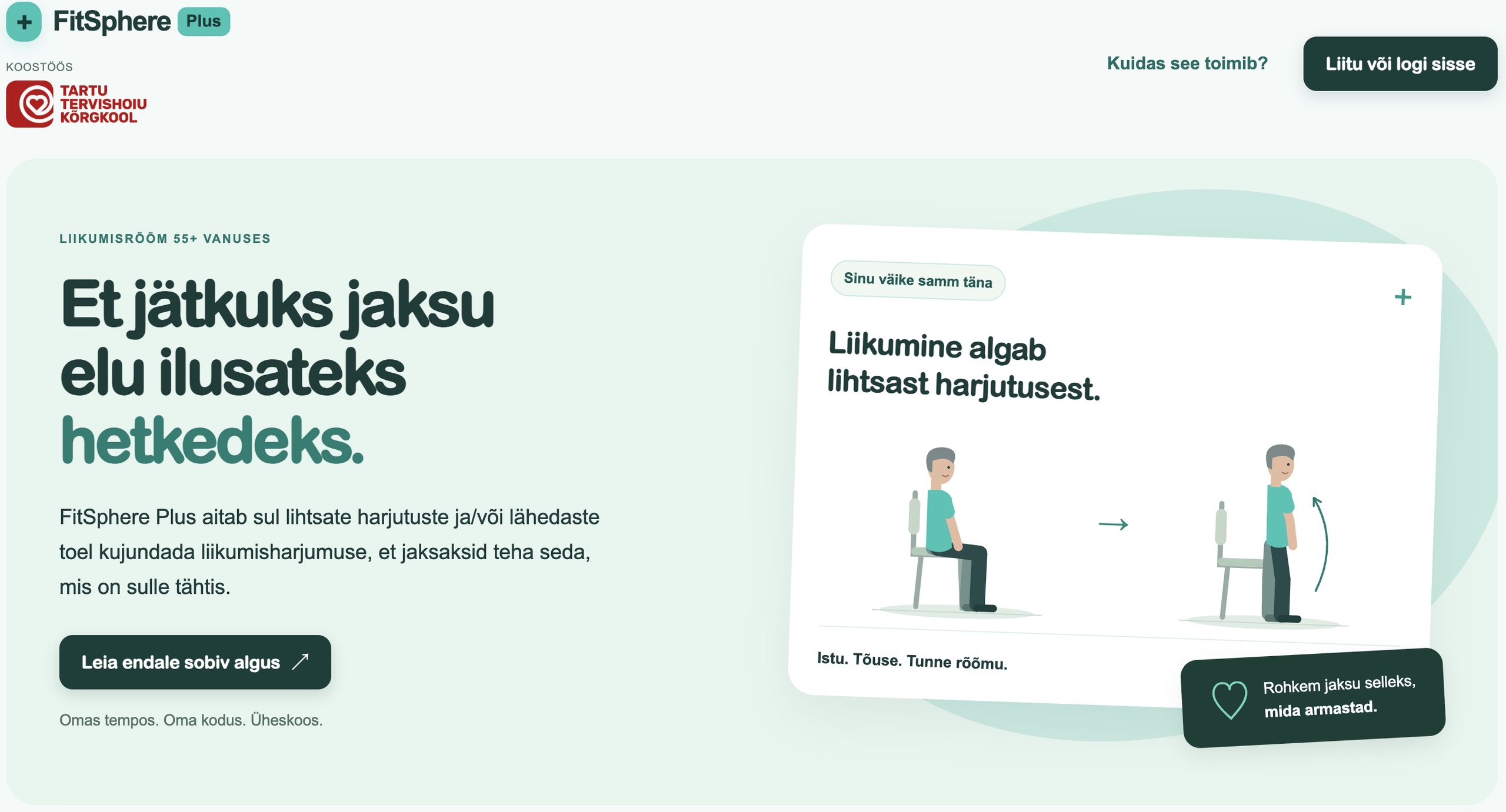
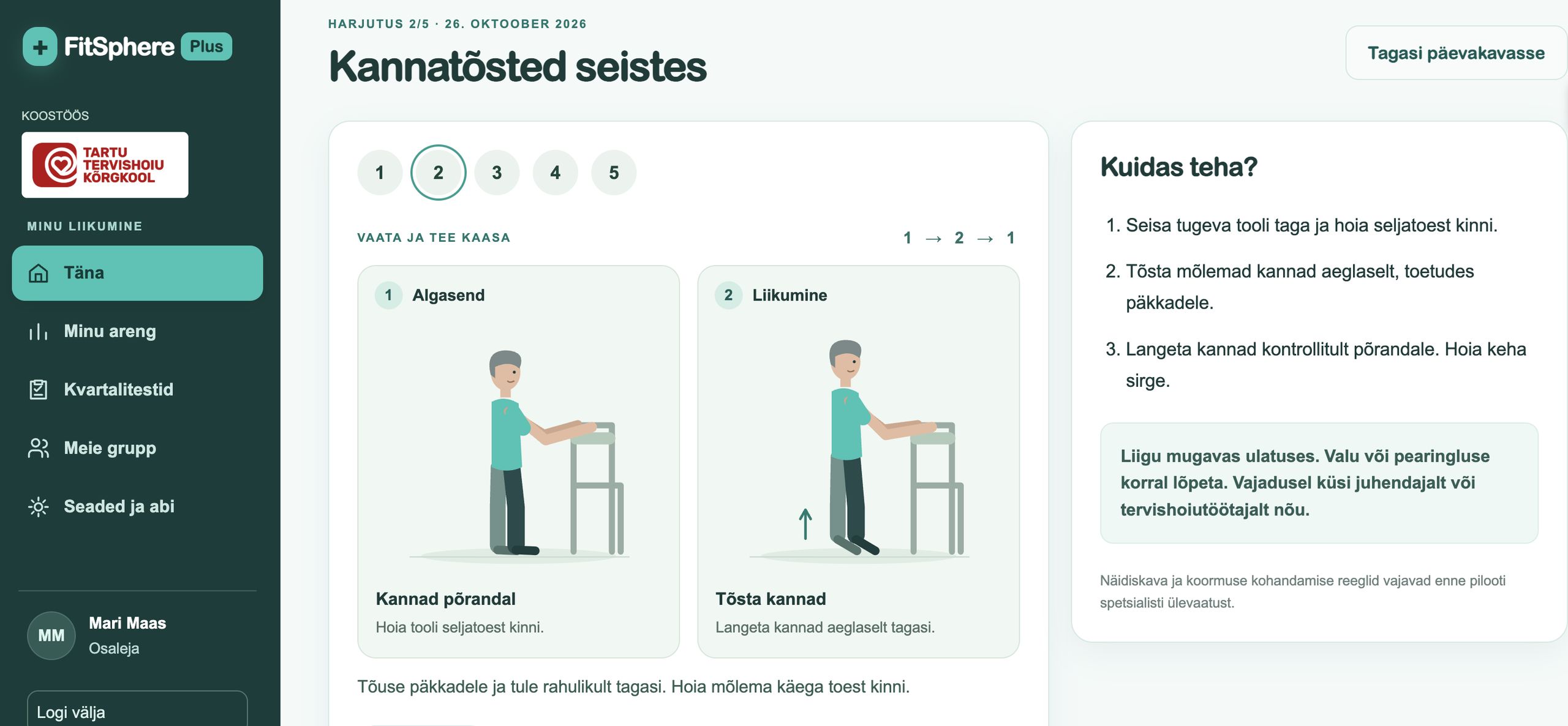
In collaboration with Tartu Applied Health Sciences University, the company developed FitSphere Plus, a browser-based solution that can be accessed on a smartphone, tablet or computer. The application offers simple exercises that can be done at home and allows users to track their progress. Additional features were developed for physical activity promoters and family members to support users both when getting started and when maintaining their exercise habits.
During the first stage of the programme, the team completed a prototype and the first minimum viable product (MVP). The next step is to pilot the complete service model in cooperation with two or three local authorities. The pilot will assess how home-based exercises, progress tracking and support from physical activity promoters work together, as well as what assistance older people need to maintain regular physical activity.
“Our long-term goal is simple: we want to ensure that people’s worlds do not become smaller as they grow older, but that they continue to have the energy to do the things that make life beautiful,” said Vihul.
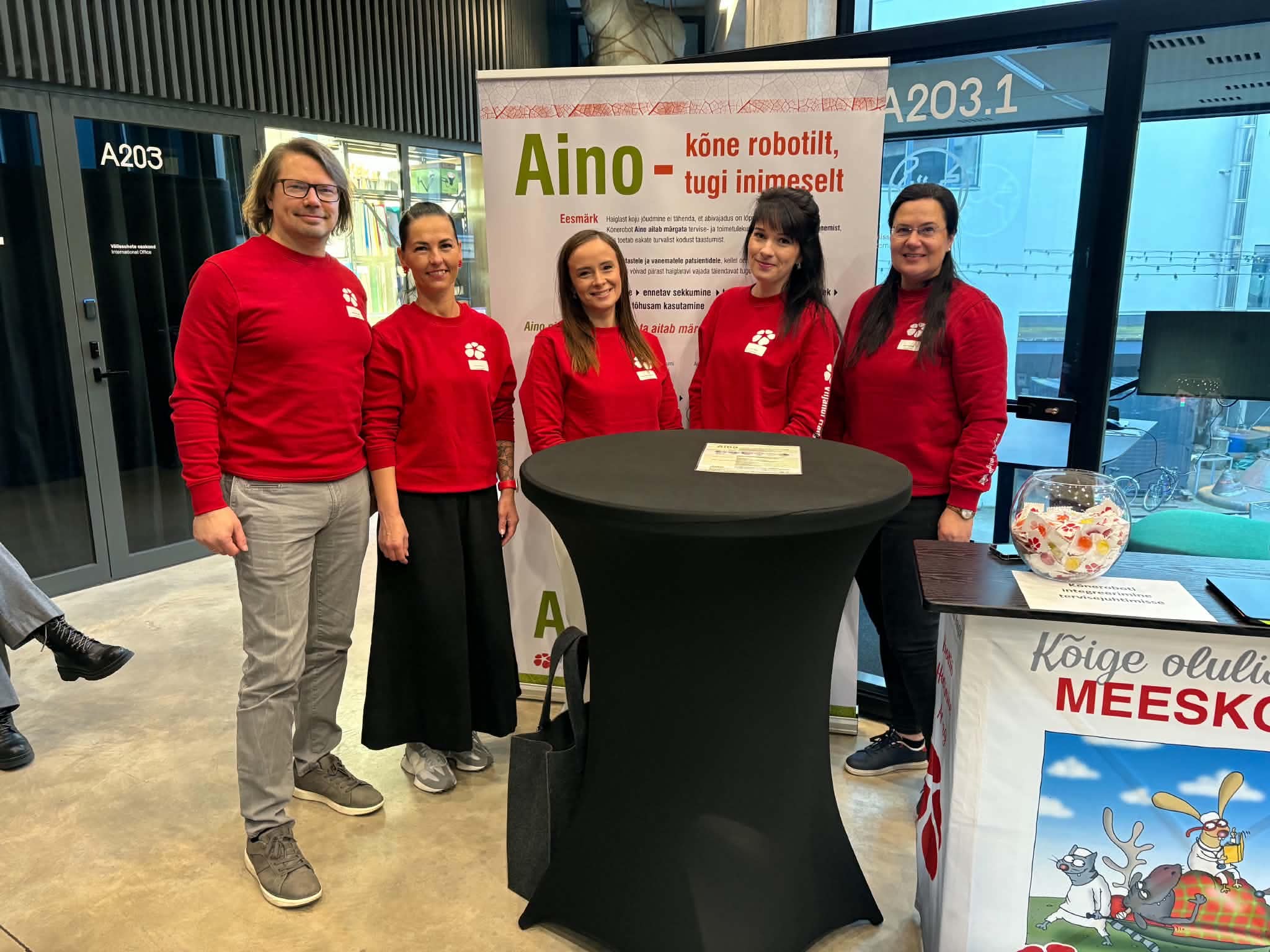
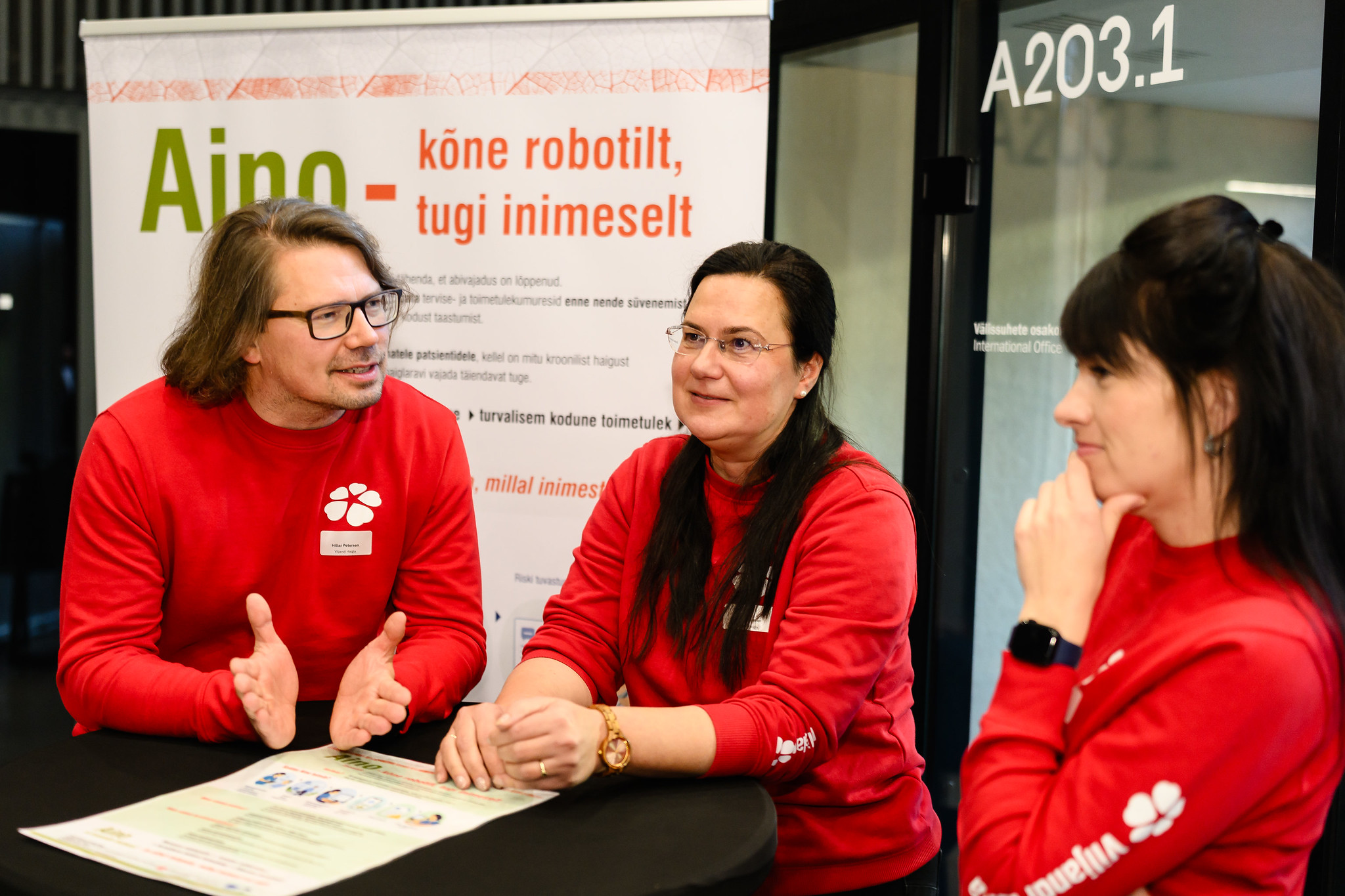
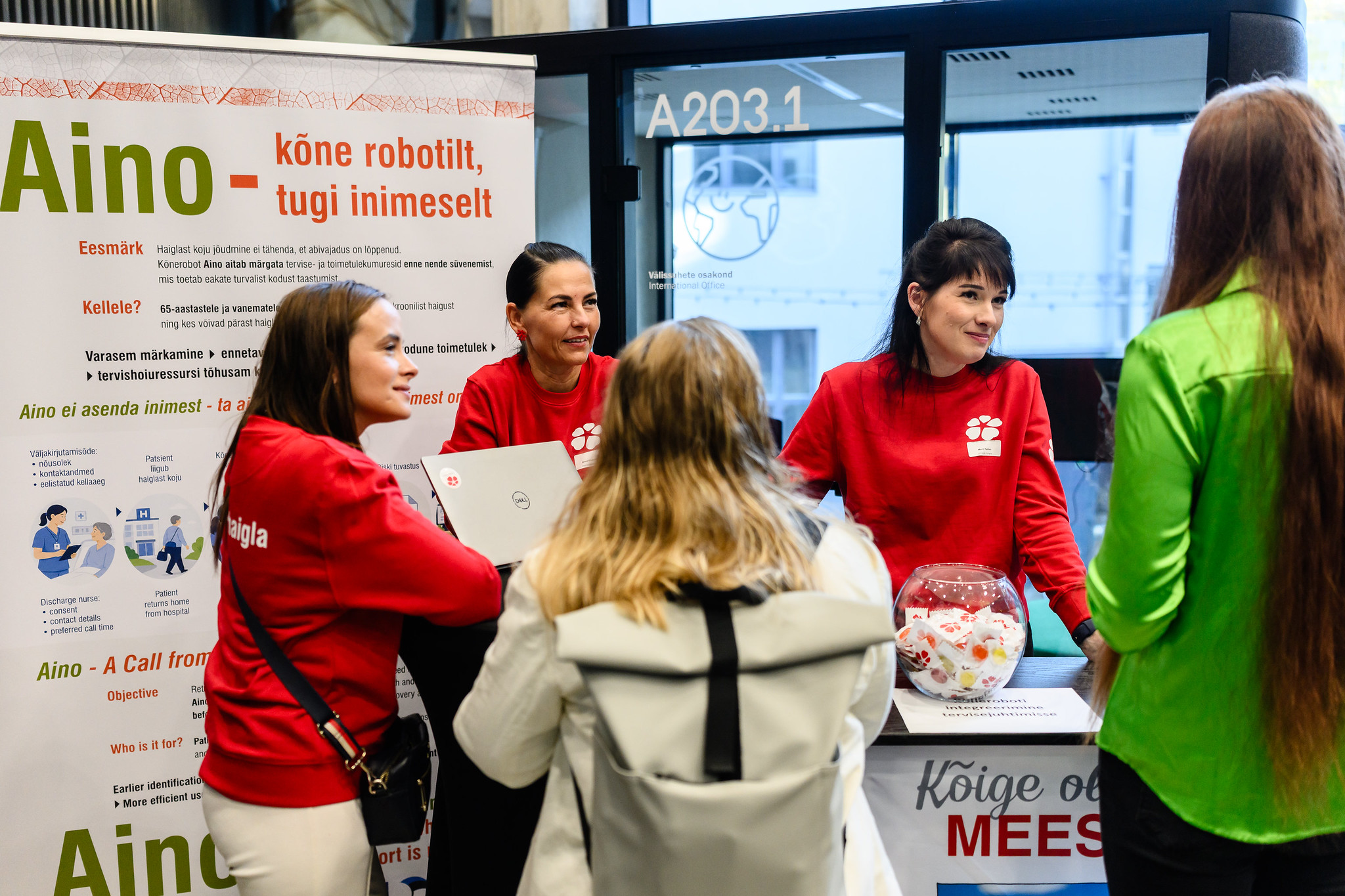
A user-centred approach has also been central to the development of Aino, a voicebot being developed by Viljandi Hospital. Its purpose is to identify health and daily living difficulties experienced by patients returning home from hospital before these problems become more serious. Under the proposed service model, Aino will call patients two to three days after discharge, ask about their wellbeing, medication use and ability to manage at home, and flag potential support needs to a nurse or care coordinator.
During the first stage of the programme, Aino progressed from an idea to a working prototype, which is currently being tested with test participants rather than patients. Meanwhile, a discharge nurse at Viljandi Hospital has already made several dozen follow-up calls to patients who have returned home, gathering feedback and data to support the voicebot’s further development.
Patients have responded positively to the nurse’s follow-up calls. Although most respondents have been managing well at home, the calls have also revealed a need for additional advice and clarification.
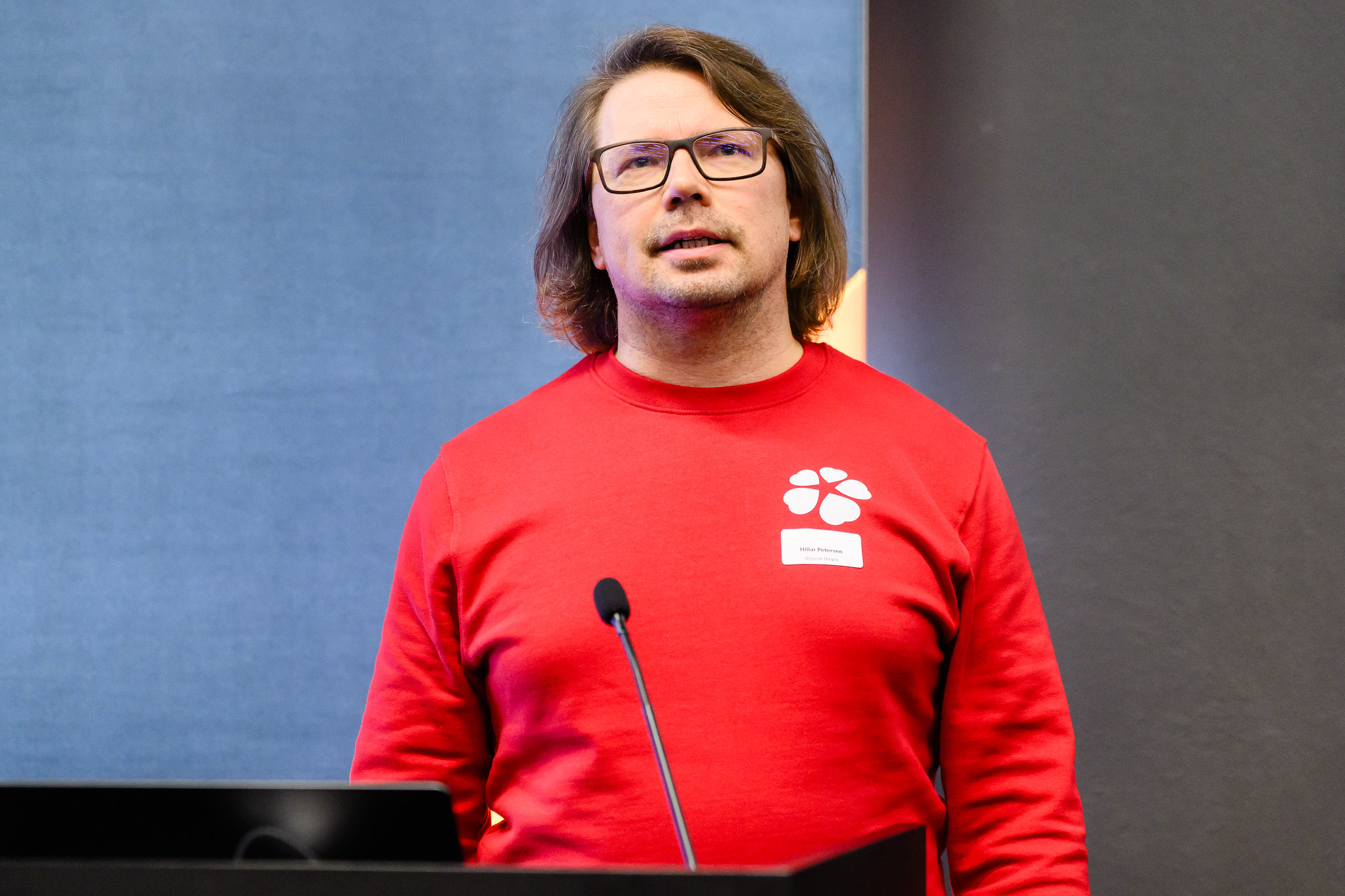
According to Hillar Petersen, Head of Medical and Information Technology Services at Viljandi Hospital, the development process has demonstrated that turning a robot capable of fluent conversation into a safe healthcare solution requires considerable work.
“We need to make sure the solution correctly understands a wide range of responses and identifies important warning signs. Before it can be used in everyday practice, we also need clear arrangements for who reviews the information collected by the robot and how the necessary assistance reaches the patient,” Petersen explained.
The next step is to compare the risk signals identified by Aino with assessments made by the discharge nurse, in order to evaluate the voicebot’s performance and identify areas for improvement. The team is also preparing to assess the solution’s safety, impact and cost-effectiveness, while exploring opportunities for wider adoption.
Technology alone is not enough: The entire service model matters
While FitSphere Plus and Aino are preparing for further testing, a remote monitoring-based home support service developed under the leadership of NordJob is already being tested in people’s homes. The project involves cooperation with seven local authorities in Lääne-Viru County: the rural municipalities of Haljala, Kadrina, Rakvere, Tapa, Vinni, Viru-Nigula and Väike-Maarja.
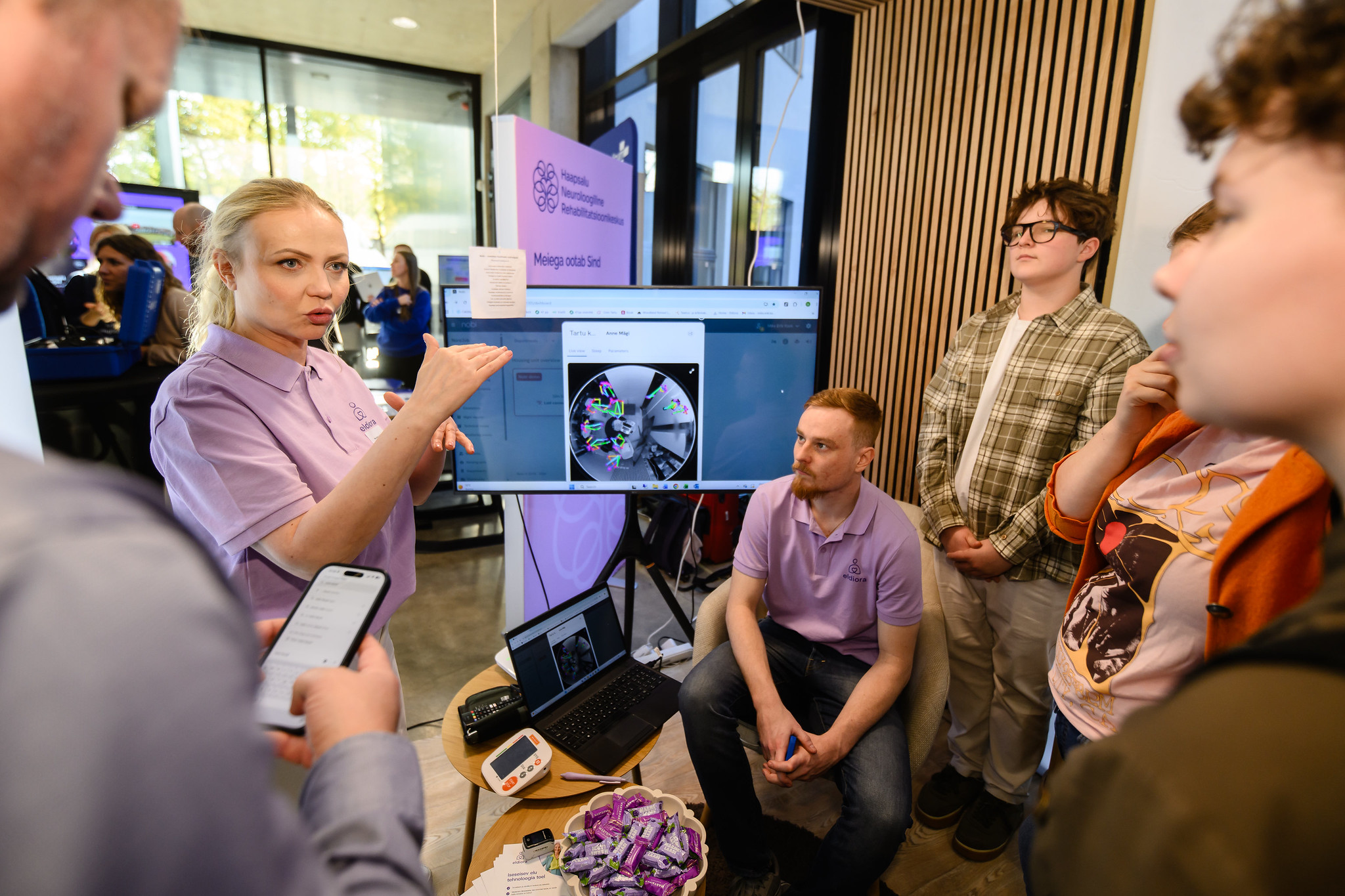
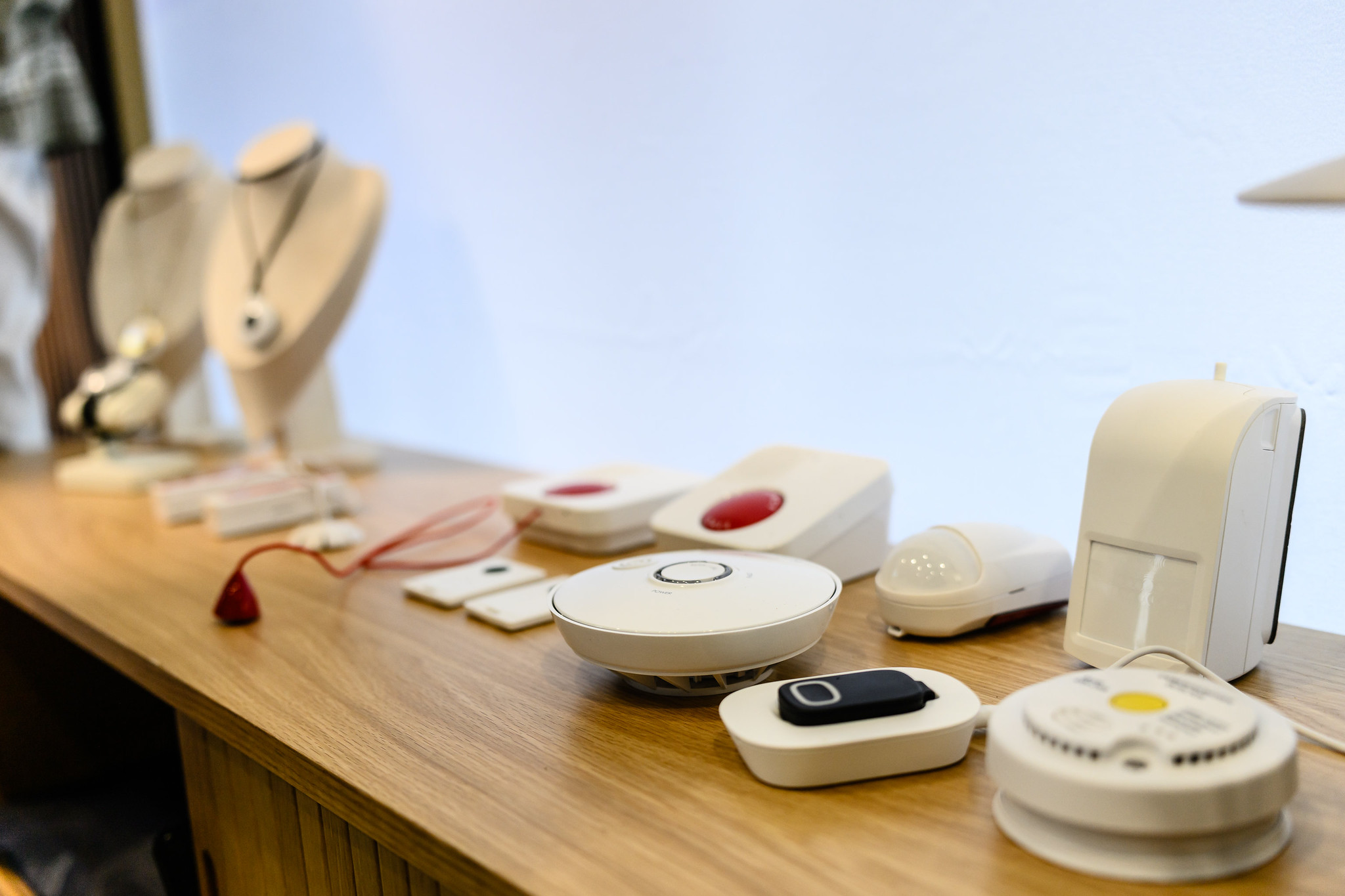
The Eldiora project aims to bring together home sensors, remote monitoring, family members, local authority social workers and, where necessary, in-person assistance into one integrated service. Depending on individual needs, homes can be equipped with fall detection, movement, smoke, carbon monoxide or water leak sensors. The information collected helps identify changes in a person’s usual behaviour or potential hazards.
According to Monika Loune, Project Manager at NordJob, one of the most important lessons from the first stage has been the realisation that technology alone cannot guarantee a person’s safety.
“Even the best sensor provides limited value unless it is clear who receives an alert, who assesses the situation, who contacts the person or their family member, and who goes to their home if physical assistance is needed,” Loune explained.
Alongside testing devices and monitoring platforms, the team has therefore been developing procedures for handling alerts and responding to incidents. Another important principle is that everyone should not be offered an identical set of devices. Instead, technology should be selected according to each person’s individual needs and living environment.
Feedback so far has confirmed that older people particularly value the opportunity to continue living independently at home, while family members appreciate greater peace of mind. Local authority social workers, meanwhile, value having a better overview of potential support needs. At the same time, the service must be simple, unobtrusive and reliable, while respecting users’ privacy.
In the next stage, the team aims to increase the number of people using the service, improve the remote monitoring and response system, and assess its impact on people’s safety, the care burden on family members and the work of local authorities. The team also plans to develop a sustainable service and funding model so that the solution will not depend solely on project-based funding in the future.


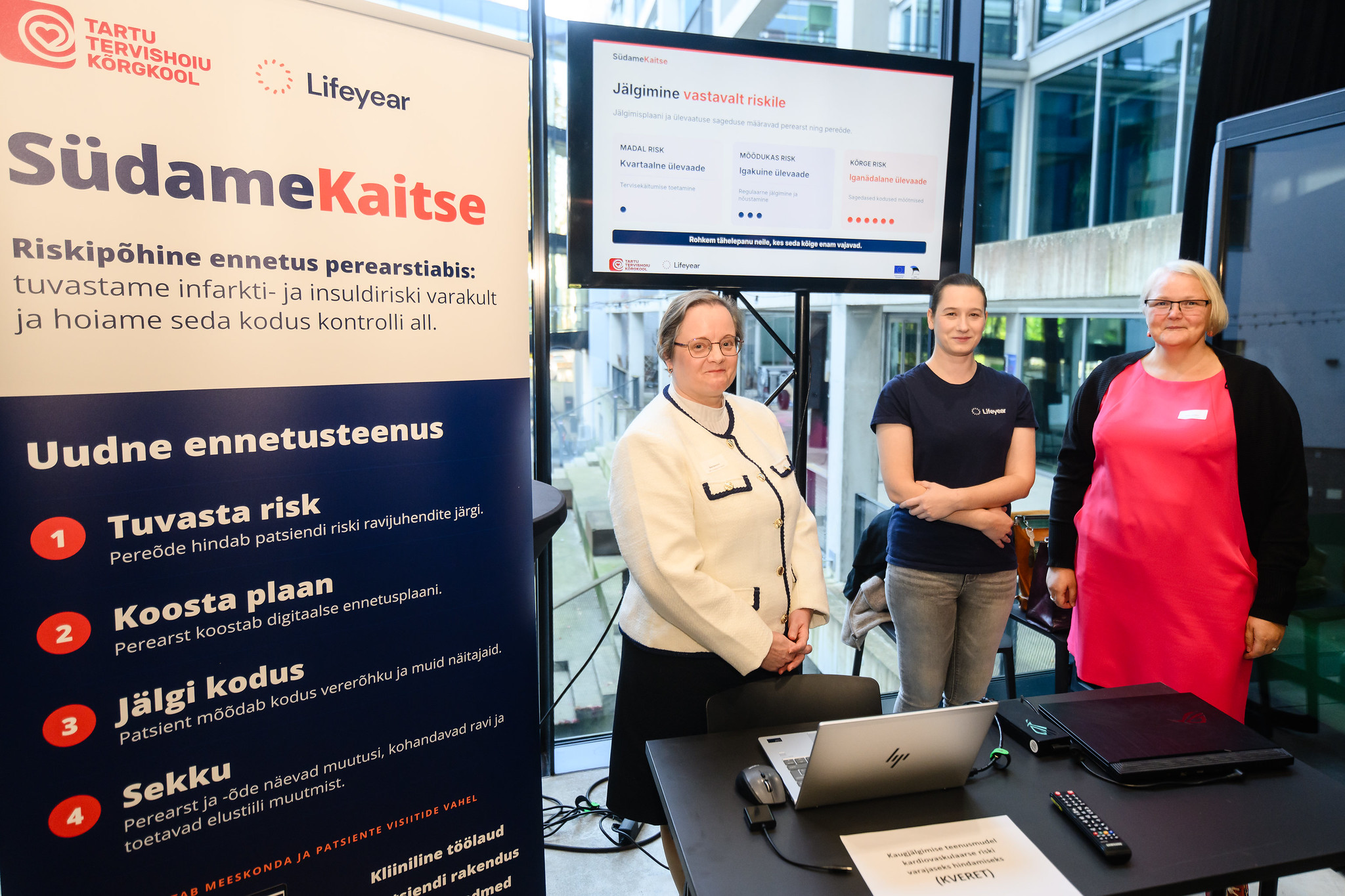
Another team developing a service model centred on individual needs is Tartu Applied Health Sciences University, which aims to improve the early prevention of cardiovascular diseases in primary care. The solution is intended for people aged 65 and over and adults with disabilities. It enables cardiovascular risk assessment using, among other things, health indicators measured by patients at home.
One component of the solution is digital remote monitoring, which does not replace appointments with a GP or practice nurse, but complements conventional healthcare and helps provide patients with more continuous support.
The solution builds on remote monitoring technology developed by Lifeyear, which is already being tested as part of the care pathway for patients with heart failure following hospital treatment. During the Welfare Technology Development Programme, this technology was adapted to the needs of primary care, resulting in a service model and prototype that have undergone an initial usability study.
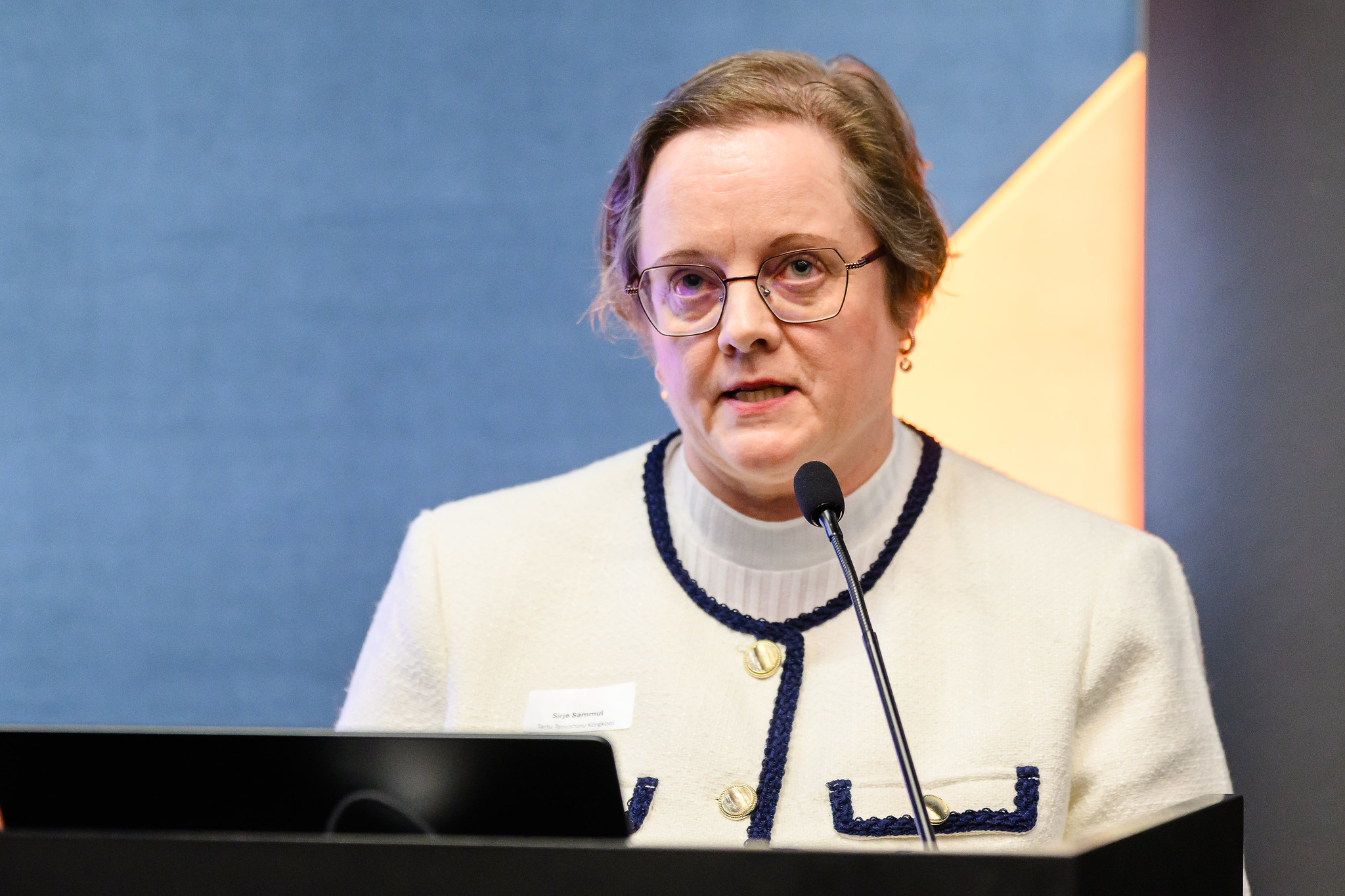
According to Sirje Sammul, Professor of Primary Care Nursing at Tartu Applied Health Sciences University, the development process highlighted the importance of considering each patient’s individual risk profile.
“The European Society of Cardiology guidelines provide the basis for early risk identification and subsequent management, but patient-centred interventions require a more personalised approach to achieve better health outcomes,” Sammul explained.
In the initial usability study, patients, GPs and practice nurses highlighted the simplicity and clarity of the service model, as well as the clear presentation of health data. The team’s next goal is to conduct a randomised clinical trial in GP practices to assess the service model’s impact and feasibility.
In the longer term, the aim is to introduce the solution more widely into Estonian primary care and secure funding for the service from the Estonian Health Insurance Fund (Tervisekassa). The team believes that more comprehensive risk assessment and continuous intervention could help prevent conditions such as myocardial infarction (heart attack) and stroke.
The experiences of the four teams demonstrate that developing welfare technologies requires more than simply creating a working device or application. It is equally important to understand users’ needs, test solutions in real-world settings and establish clear procedures for responding to problems identified through technology. Developing such integrated service models is essential for moving innovative solutions beyond testing and into everyday use.
About the Welfare Technology Program
The Welfare Technology Program, initiated by the Estonian Ministry of Social Affairs, is implemented by Tehnopol, Civitta and the Estonian Academy of Arts. The programme aims to support the development and adoption of innovative technology-based solutions in the health and social care sectors, helping older people and adults with disabilities live independently at home for longer, reducing the care burden on family members and improving care services.
The Welfare Technologies Development Programme is an implementation activity of the Ministry of Social Affairs’ “Welfare Technologies Innovation Programme 2025–2030”, co-funded from the European Union Cohesion Policy 2021–2027 measure “Improving the accessibility and quality of long-term care”.
Further information: www.tehnopol.ee/en/project/welfare-technology-program/
You might be interested in
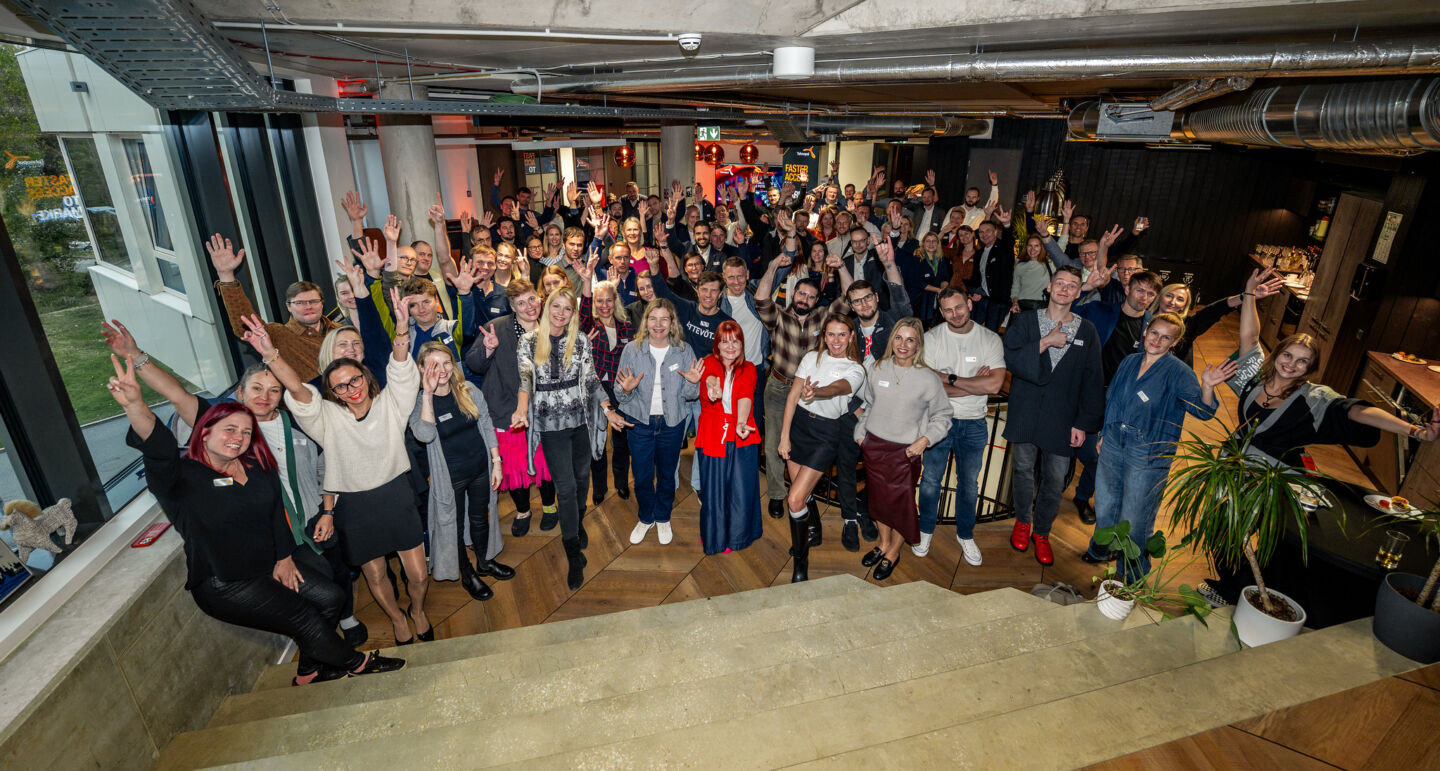
Tehnopol’s mentor community came together to strengthen collaboration and share experiences
On 14 October, mentors from a wide range of fields gathered at Tehnopol’s office to share experiences, exchange ideas and strengthen collaboration within the community. The event provided an opportunity to learn...
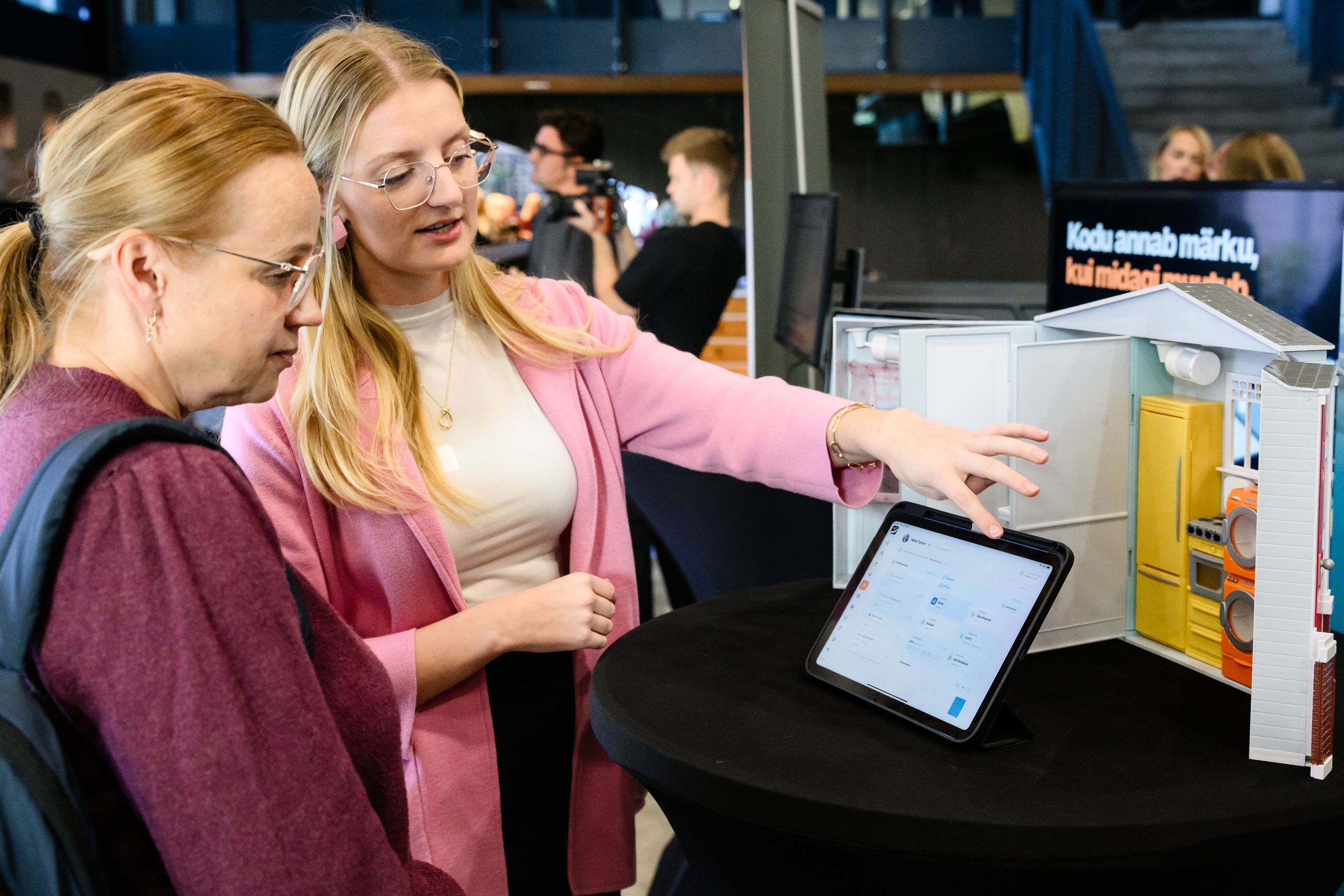
From medication robots to smart sensors: New solutions to support older people’s independence showcased at Demo Day
At the Welfare Technology Development Programme Demo Day, held at the Estonian Academy of Arts on 22 October, 19 teams presented technological solutions designed to help older people and adults with disabilities...
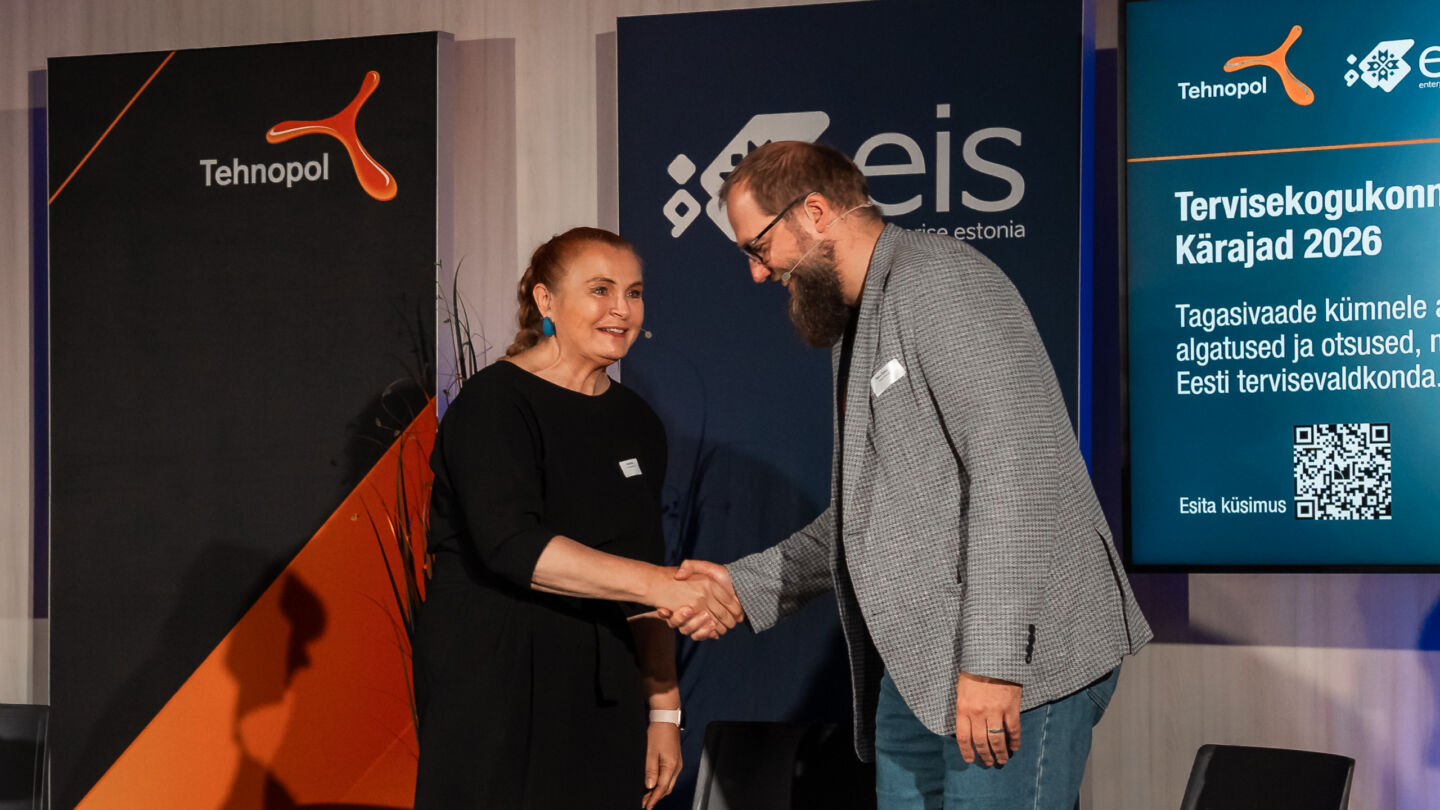
The next leap forward in Estonian healthcare depends on collaboration and a willingness to change
Estonia is seeing more healthtech companies and new solutions emerge than ever before, but the healthcare system’s capacity to adopt them has not kept pace. At a panel discussion during Tervisekogukonna Kärajad,...