
Anu Puusaag: Estonia’s next success story will be built on deep tech – the question is when
A great deal is said in Estonia about digitalisation, startups and innovation. We have built a strong digital society, learned how to use data intelligently, developed cyber technologies and helped startups bring new digital platforms to market. That has been our strength. But on its own, it is no longer enough to deliver the next wave of economic growth. We need technologies that do not simply make what already exists more efficient, but create entirely new value, writes Anu Puusaag, Head of DeepTech at Tehnopol.
The growth we now need will not come only from new platforms, more convenient services or yet another software application. Estonia’s next success story will emerge from fields where science meets entrepreneurship and where technological breakthroughs create entirely new markets or even whole new industries. One of the fields with the greatest potential in this respect is deep tech.
Deep tech means technology based on scientific discovery or a new science-driven approach, often protectable as intellectual property, commercially scalable, and capable of reshaping existing ways of using technology and even how we think about it. It is not simply the next version of an existing solution. It is a new technological capability on which new industries, companies, exports and long-term competitive advantage can be built.
Why does this matter now? Because the challenges of the next stage of economic development will not be solved through incremental improvements. Climate change, energy security, resource constraints, an ageing population and pressure on productivity all require solutions that are science-based, rapidly scalable and genuinely novel. Deep tech is not just a fashionable buzzword or another passing phrase. It is a highly practical answer to how we solve complex and costly problems in a way that also creates new economic value.
It includes fields that will play a decisive role in both economic and societal development over the coming decades: the next generation of artificial intelligence, quantum technologies and photonics, gene technology and biotechnology, novel materials, robotics, health technologies including personalised healthcare solutions, defence technologies and space technologies. These are fields that could significantly change how we produce, heal, move, communicate and ensure our security.
The international picture makes this very clear. The United States, China, Israel, the United Kingdom and Germany are investing in deep tech in a systematic way. Europe, too, is increasingly treating it not merely as part of innovation policy, but as a strategic economic issue. It is about productivity, industrial capability, technological independence and security. Approaches differ, but the understanding is shared: technological capability is becoming an ever more important source of economic and geopolitical influence.
What this means for Estonia
For Estonia, this presents a very clear strategic choice. We cannot build our future on cheaper labour, nor can we assume that our past digital success will automatically carry us forward. If we want to grow a higher value-added economy, we must be able to create and scale companies whose competitive advantage is built on new knowledge, intellectual property and the ability to solve complex problems.
That is precisely why deep tech matters for a small country. It allows us to move from price-based competition to knowledge-based competition. If we can grow companies that create new energy, health, defence, materials or industrial solutions, the result will not be just a handful of success stories. It will help establish Estonia as a country where new knowledge-based value is created. That means more exports, higher value-added jobs and a more resilient economy.
But ambition alone is not enough. What is needed is deliberate change and investment in education, in the support structures of the economy, in the creation and growth of science-based startups, in attracting investors and funds, and above all in working more closely with our neighbouring countries.
The greatest mistake would be to continue treating deep tech too narrowly, as if it concerned only scientists, universities, laboratories or a small circle of startups and investors. In reality, deep tech is increasingly determining the sectors in which future value will be created, which countries will be able to anchor that value in their economies, and which will remain merely users of solutions developed elsewhere. Deep tech is not a niche. It is the foundation of the next economic wave, and the question is no longer whether Estonia should invest in it, but how quickly we can turn it into our next success story.
You might be interested in
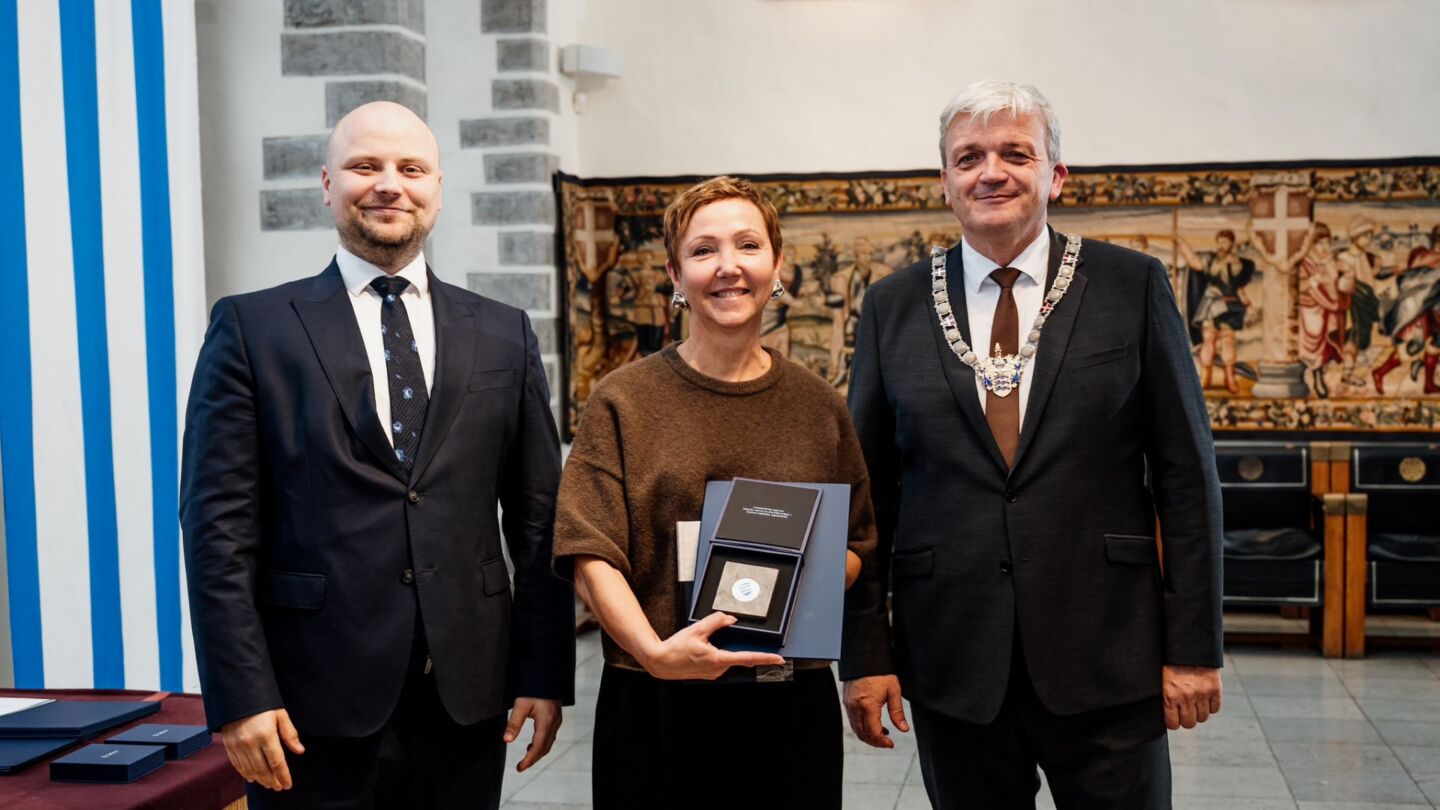
Deep Tech Startup Network Wins Tallinn Entrepreneurship Award
The Deep Tech Startup Network, with Tehnopol as one of the consortium partners, won the title of Research and Development Project of the Year at the Tallinn Entrepreneurship Awards 2026 competition. The...
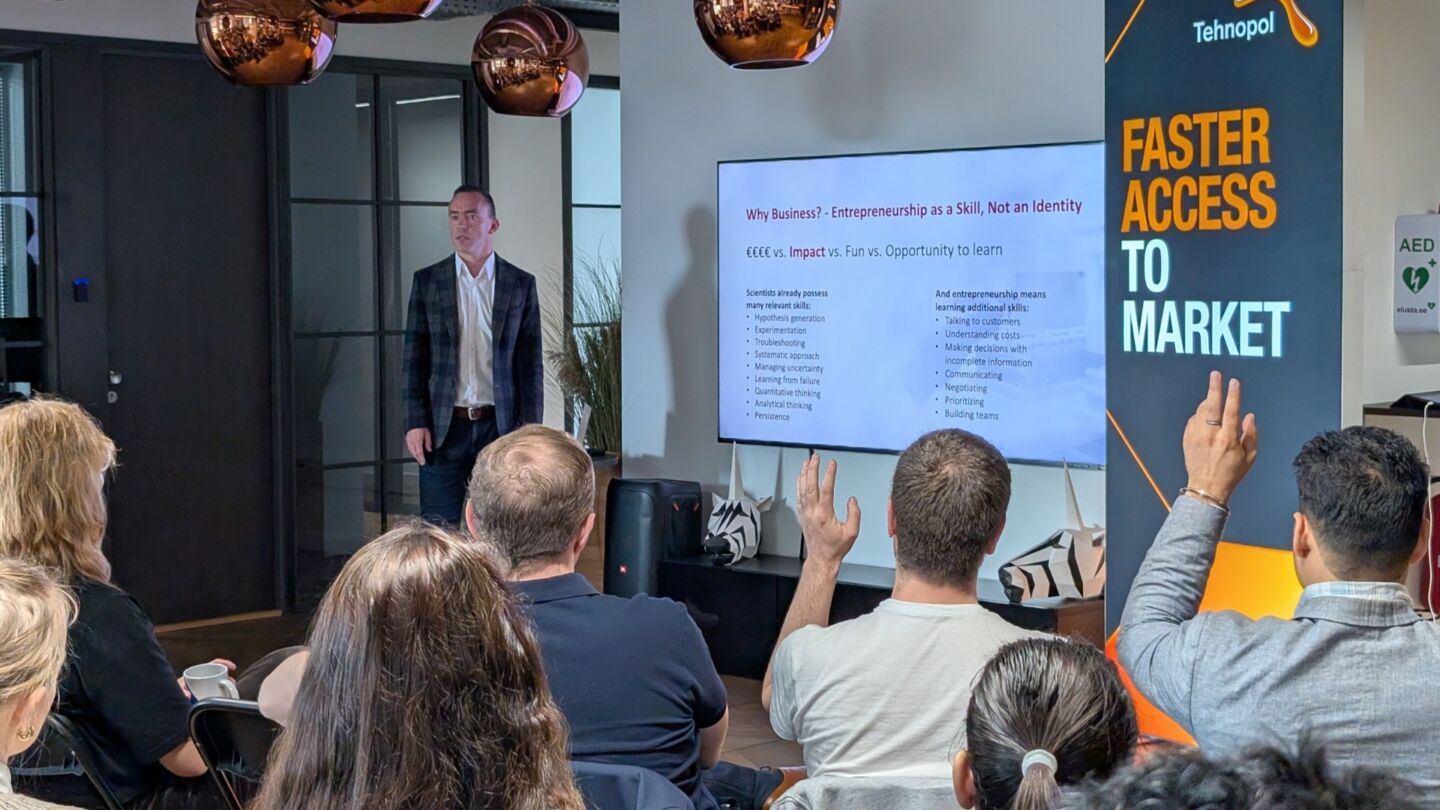
From scientific discovery to real-world impact: What researchers should know about entrepreneurship
Turning a scientific discovery into a successful business requires more than innovative technology. Researchers must learn to identify real-world problems, work with experts from different fields and understand what it takes to...
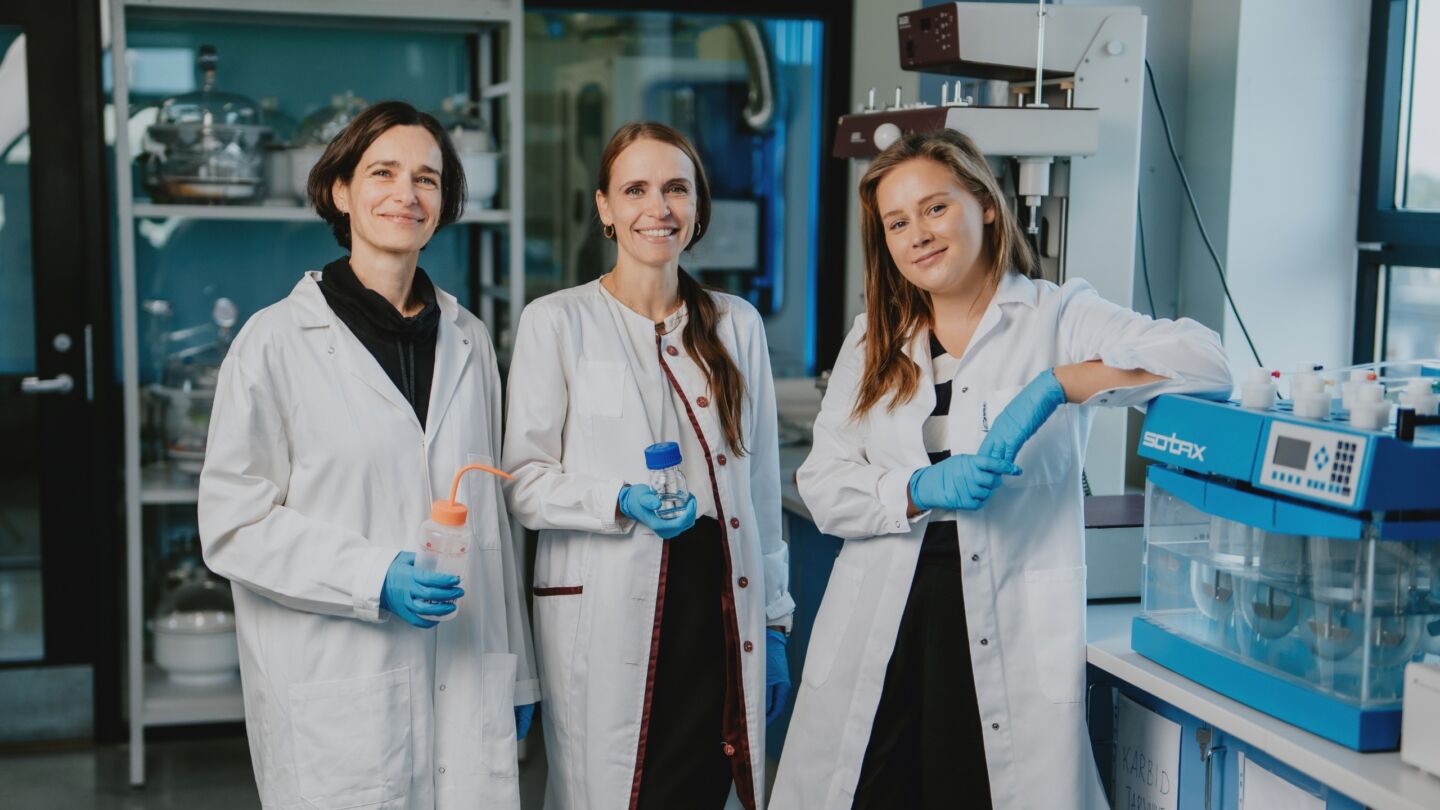
DeepTech Accelerator opened second round: science-based startups can once again apply for up to €170,000 in funding
Applications are now open for the DeepTech Accelerator run by Sparkup Tartu Science Park and Tehnopol, which is looking for startups and teams developing science- and technology-based solutions. Companies selected for the...