
Siim Sukles: political commitments alone do not build production lines
Estonia will raise defence expenditure to 5.4% of GDP in 2026, increasing the defence budget to €2.4 billion. According to Siim Sukles, Undersecretary for Defence Industry and Innovation at the Estonian Ministry of Defence, the first challenge is turning that money into equipment that can be produced, delivered and used.
Higher spending initially tends to create larger order backlogs rather than immediately available military capability.
Sukles will deliver the opening remarks at Defence Innovation Day on 21 September, which opens Estonian Defence Week in Tallinn.
From spending to production
Manufacturers need predictable orders before investing in new production capacity.
“Industry responds to credible, long-term demand signals in the form of firm procurement contracts,” Sukles says.
Even with contracts in place, expansion takes time. Specialised components and materials can have long lead times, while engineers, technicians and manufacturing workers are already in short supply. A delay at one point in the supply chain can hold up an entire system.
The money may therefore be available before industry is ready to fulfil the resulting orders.
The same challenge applies to the defence industry park in Ermistu, a planned production site in Pärnu County, where companies will manufacture ammunition, munitions, components and explosives using state-funded basic infrastructure.The 2026 defence budget allocates €38.2 million to its core infrastructure, while the state’s total planned investment in the site exceeds €50 million. Agreements have been signed with four manufacturers.
“The success of investments in a defence industry park should be measured not by the construction of new infrastructure, but by whether it enables companies to develop products that meet real military requirements,” Sukles says.
Those companies will also need customers beyond Estonia. The domestic market is too small to sustain most defence businesses through local procurement alone, and around 60% of the sector’s revenue already comes from exports.
A broader customer base allows companies to scale production and maintain capacity that Estonia could also rely on during a crisis. The Ministry therefore combines support for domestic research, product development and manufacturing with access to European projects, international supply chains and foreign procurement opportunities.
Military relevance has to be proven
The 2026 defence budget aims to support the development and testing of eight to ten new defence products each year. The process begins with an operational need identified by the Estonian Defence Forces.
The Defence Forces, including the Force Transformation Command, provide expert input on whether a proposed solution addresses a genuine capability requirement.
Companies must then demonstrate how their products perform in realistic conditions. Sukles says the assessment covers technical maturity, reliability, operational effect, ease of use, maintenance requirements and cost-effectiveness.
Live demonstrations and field testing show whether a technology can move towards integration into military capability.
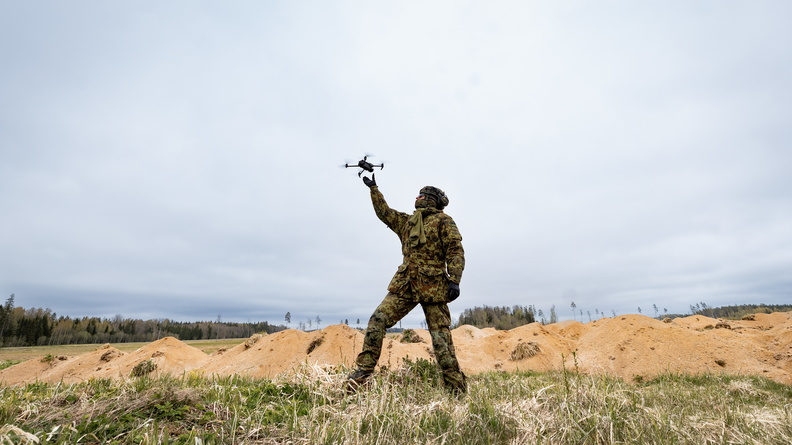
As Estonia’s defence industry grows, expectations are shifting from product development towards production and delivery.
The 2026 Ukraine Support Measure places greater emphasis on Estonian manufacturing capacity and supply reliability. Interest has consistently exceeded the available funding, which Sukles sees as evidence of a strong pipeline of companies and technologies.
Companies must also show that they can manufacture at scale, manage their supply chains and meet agreed timelines.
Sukles acknowledges that timely delivery remains an area for improvement in some cases. “Readiness means not only having innovative solutions, but also being a dependable supplier that can deliver operational capability when it is needed,” he says.
A product may perform well in testing, but its practical value remains limited if the manufacturer cannot produce enough of it or deliver it on time.
European cooperation and investment
Estonian companies and institutions are involved in 26 projects selected in the latest European Defence Fund (or EDF), results. They lead two projects, hold work packages worth more than €28 million, and receive more than €1.5 million in Ministry co-financing across 12 projects.
The EDF supports collaborative defence research and product development involving organisations from several European countries.
For Estonian participants, the value lies in access to international consortia, larger defence companies and future supply chains. The Ministry assesses whether a project builds on Estonia’s existing expertise, supports priority capabilities and strengthens the position of Estonian organisations in future cooperation.
Strategic value is reflected in stronger technical competence, lasting partnerships and clearer routes to future contracts or supply-chain roles.
Access to capital is another part of the same growth path. Through the Defence Fund, SmartCap can invest between €500,000 and €10 million in a company. Its total holding may not exceed 49%, and investment rounds are expected to include independent private investors.
Defence companies often face long development cycles, uncertain procurement timelines and limited visibility of future demand. That can make private investors cautious before a company has secured substantial contracts.
Public investment can share part of the early risk and encourage additional private capital. SmartCap’s non-controlling position and the participation of private investors help ensure that companies remain market-oriented and that public funding complements private capital. The funding can support product development, manufacturing capacity and international expansion before revenue becomes predictable.
Technology must justify its cost
Estonia plans to keep defence expenditure at no less than 5% of GDP from 2027 to 2029.
Sukles says the country must prioritise technologies that improve situational awareness, speed up decision-making, increase precision, automate processes and help existing personnel achieve a greater operational effect.
Their value depends on practical criteria: the effect achieved for the money spent, whether production can be scaled, and how quickly a capability can be replaced or expanded.
Together, these criteria form a practical test. Procurement must create credible demand. Industry must be able to produce. The Defence Forces must be able to test and use the solution. Companies must deliver reliably, and the result must justify its cost.
A larger defence budget gives Estonia more room to act. Turning that money into lasting capability depends on execution.
Defence Innovation Day takes place in-person on 21 September at Kultuurikatel in Tallinn. Participation is free of charge, but registration is mandatory and subject to approval.
The event is organised by Tehnopol and the Ministry of Economic Affairs and Communications through the NATO DIANA Estonian Accelerator. It is supported by the Estonian Ministry of Defence. One thematic block is shaped with the input from Sparkup Tartu Science Park.
You might be interested in
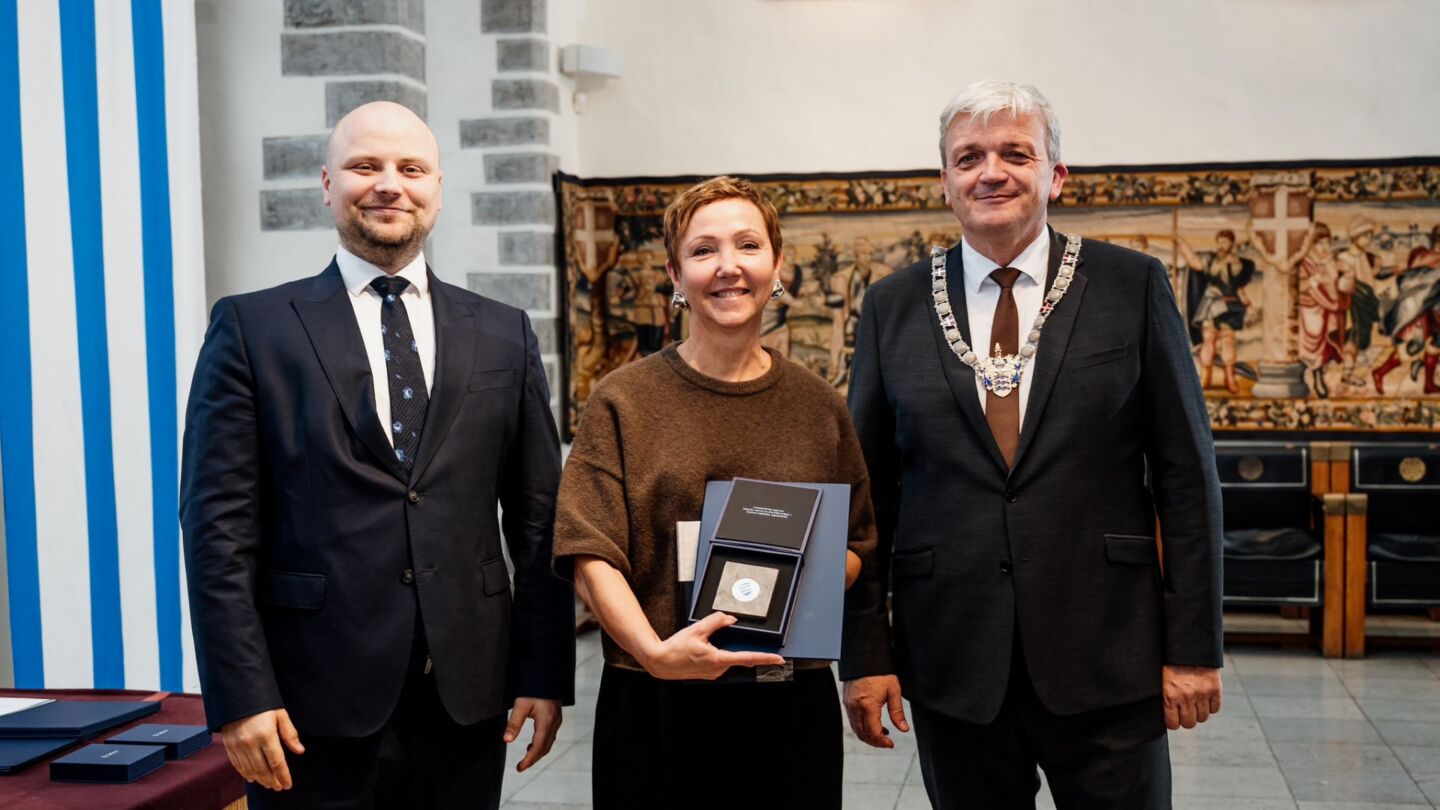
Deep Tech Startup Network Wins Tallinn Entrepreneurship Award
The Deep Tech Startup Network, with Tehnopol as one of the consortium partners, won the title of Research and Development Project of the Year at the Tallinn Entrepreneurship Awards 2026 competition. The...
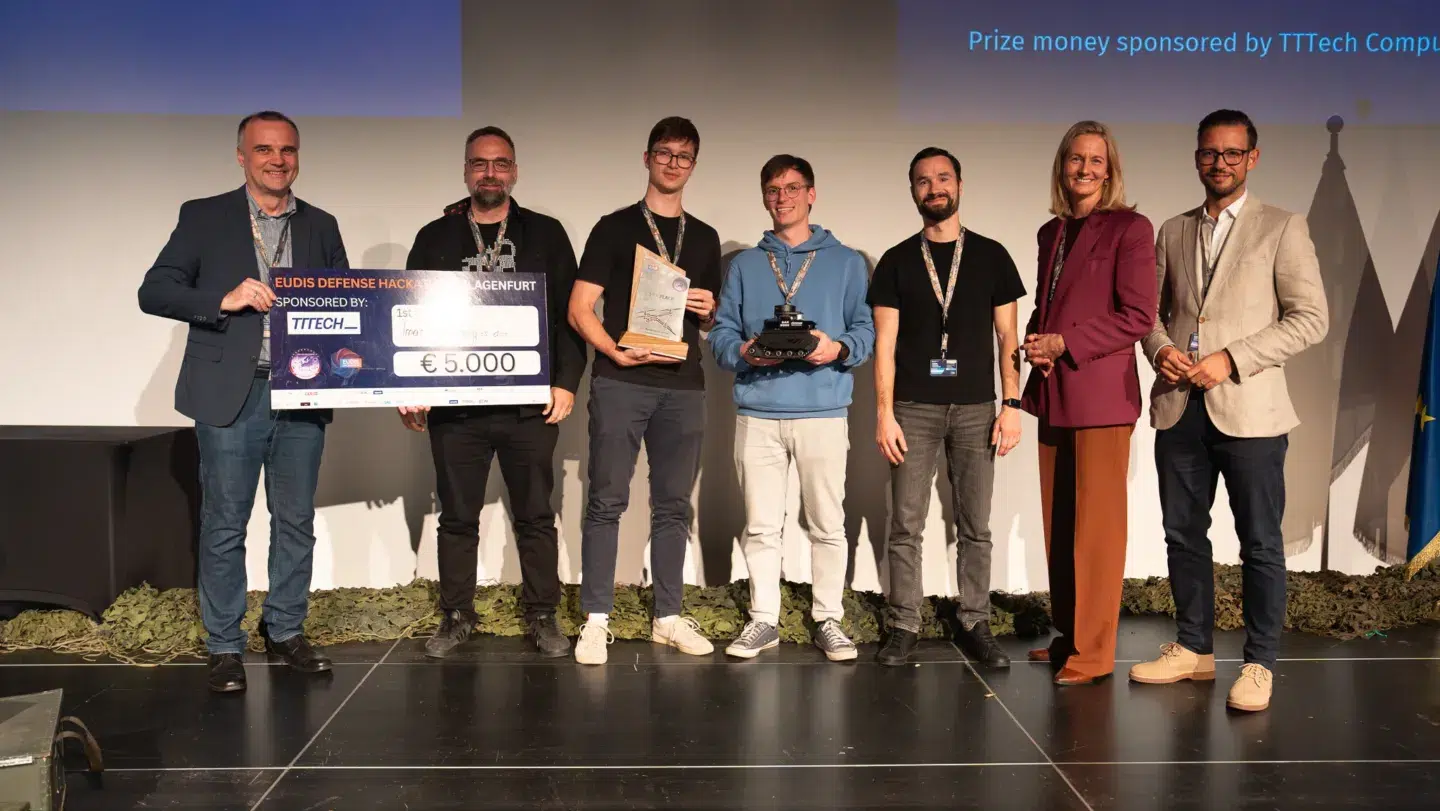
EUDIS Defence Hackathon Autumn 2026: Meet the Innovators Shaping Battlefield Autonomy
From 15 to 17 October 2026, the EUDIS Defence Hackathon brought together innovators at eight locations across Europe to tackle a strategic theme at the heart of Europe’s defence and security priorities:...
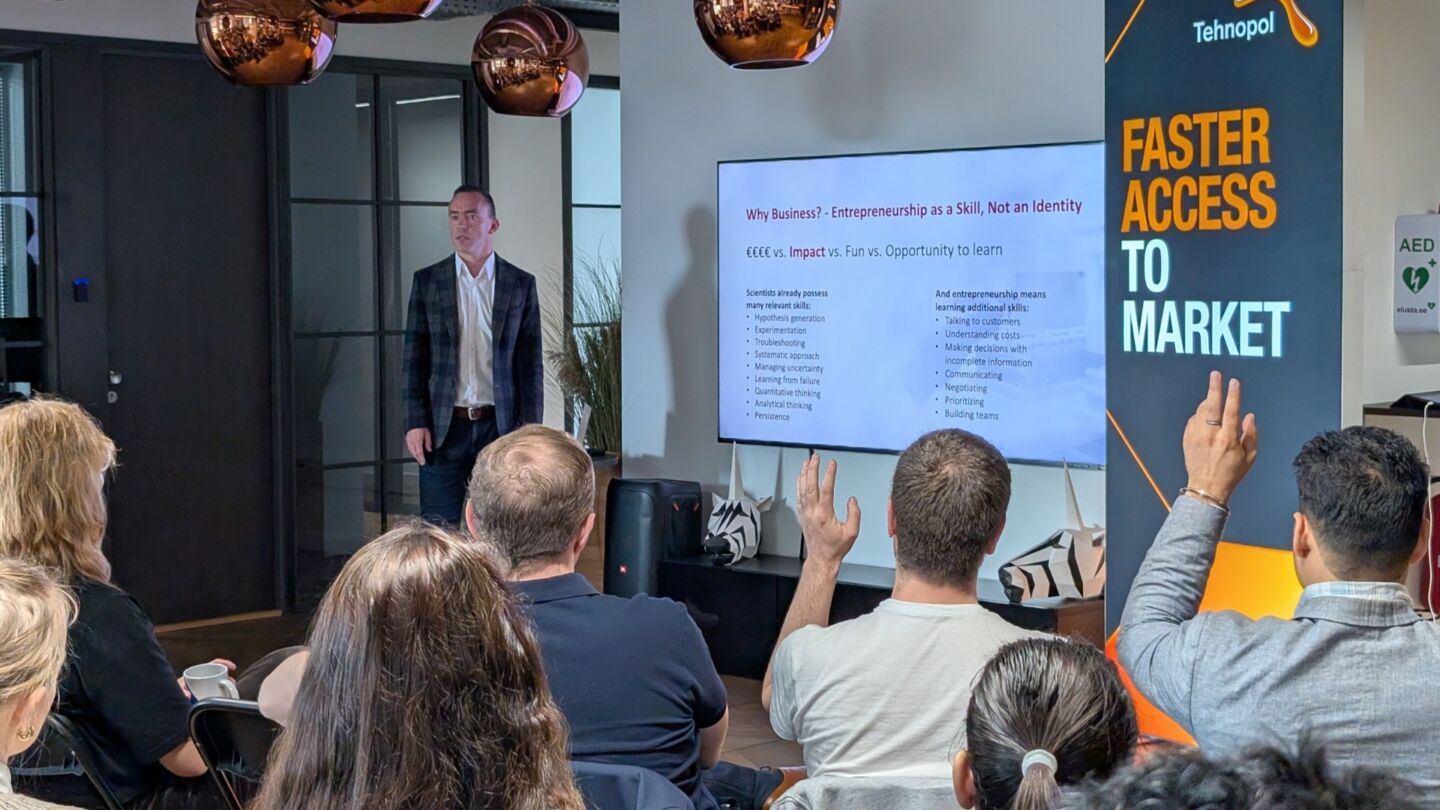
From scientific discovery to real-world impact: What researchers should know about entrepreneurship
Turning a scientific discovery into a successful business requires more than innovative technology. Researchers must learn to identify real-world problems, work with experts from different fields and understand what it takes to...