
TEISIK develops solutions that support older people’s independence and reduce the burden of care
How can we support older people and those in need of assistance in living independently without requiring them to use a smartphone or have special digital skills? TEISIK, a member of Tehnopol’s HealthTech community, develops solutions that combine artificial intelligence, smart devices and social services. The company aims to help people live safely in their own homes for as long as possible, while also reducing the burden on family members and care workers.
TEISIK develops its solutions based on the principle that technology should adapt to people’s needs and abilities, rather than the other way around. Although an increasing number of digital solutions are available to support older people, many require a smartphone, the use of apps or a high level of digital literacy. At the same time, social care and support workers spend a significant amount of time making routine phone calls, sending reminders, collecting information and documenting activities.
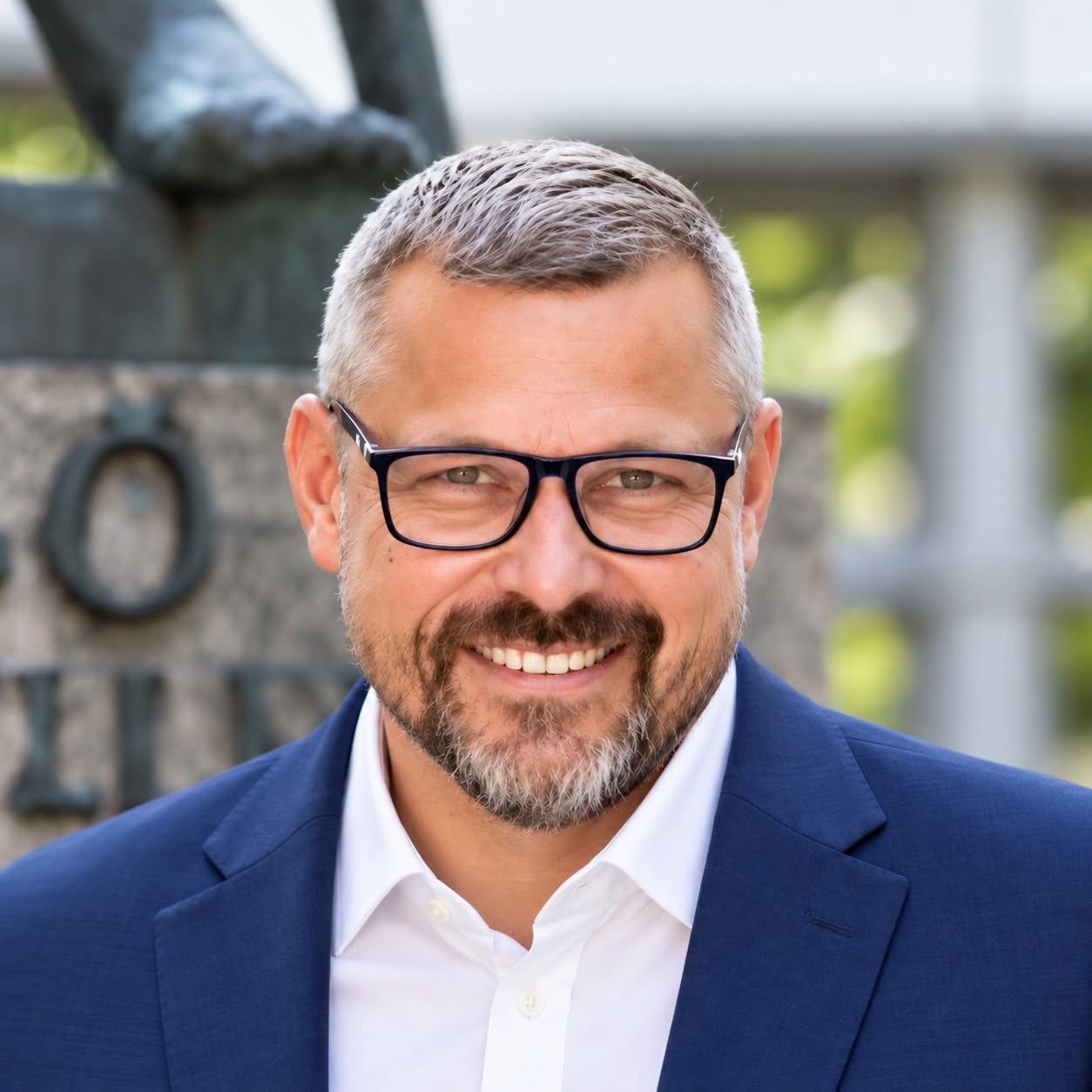
TEISIK’s founder, Tarmo Pruuli (pictured), explained that the aim was to create solutions in which technology adapts to the person, rather than the person having to adapt to the technology. If someone knows how to answer a phone call, they should also be able to use a modern AI-powered service. The company’s solutions support older people’s safety, health-related behaviours, physical activity and social wellbeing. These include Kaaslane AI telephone-based services, OlenElus wellbeing calls, an AI secretary, smart medication dispensers, emergency alert buttons, and exercise pedals combined with an AI-powered virtual trainer accessible by phone.
TEISIK’s goal is not to offer these as isolated products, but to connect devices and services into an integrated system in which relevant information reaches the person, their family members or professionals at the right time. For example, a smart medication dispenser can provide information about whether medication has been taken, and, if necessary, an AI system can call the person to remind them to take it.
Reducing loneliness is another important part of the company’s work. An AI-powered telephone companion allows older people to have conversations, ask questions or simply talk to someone when family members or care workers are not available. Importantly, the service does not require a smartphone or an internet connection at home.
Solutions are tested with municipalities and real users
TEISIK’s solutions are already being used in several regions of Estonia, where the company works with local governments, social and healthcare professionals, and care workers. These collaborative projects allow the technologies to be tested in everyday situations and improved based on user feedback.
In Tallinn, smart medication dispensers and AI-powered medication reminders are being piloted with home care clients. The project aims to improve medication adherence, support independent living, and reduce loneliness and the burden of care.
TEISIK has been active in the Viljandi and Jõgeva regions for some time. Newer versions of its medication dispensers are now being introduced there, incorporating the experience and feedback of users and professionals from earlier implementations. In Tartu, smart medication dispensers are being tested in cooperation with Päevakeskus Kaldaga.
In Saaremaa, nearly 100 older people use TEISIK’s emergency alert buttons. The region also uses Pille, a telephone-based AI assistant that people can talk to, ask questions or simply chat with. The project is being implemented in cooperation with Kuressaare Hoolekanne.
In the municipalities of Otepää, Võru and Tõrva, the company is implementing the “Supporting Independent Living at Home” project, which combines emergency alert buttons, medication dispensers and AI-powered conversational support. The project began in March 2026 and will run until February 2028. It focuses on developing a home care model in which conventional care services and new technological solutions complement one another. All the projects mentioned above are co-funded by the European Union.
For the TEISIK team, it is important that technology development does not remain confined to the office. Solutions must be tested with the people who will actually use them, and the experience gained must inform subsequent product development. This is how new features emerge from real needs rather than simply from technological possibilities.
The biggest challenge is not always the technology itself
TEISIK’s experience so far has shown that a technically functional solution does not automatically translate into a successfully implemented service. It is equally important to consider how the technology fits into existing social and care services, who is responsible for its use, and how the person receives the support they need.
For example, implementing a smart medication dispenser involves much more than simply installing the device. It is necessary to agree on who fills it with medication, who monitors the medication schedule and who responds if a dose is missed. This can be particularly challenging in sparsely populated areas, where care workers have limited time and resources.
One challenge with emergency alert buttons is organising a response service in areas where private service providers have limited capacity. Practical questions must also be addressed, such as how an assistance provider can gain access to a person’s home when necessary.
Funding is another important consideration. Many older people and those in need of assistance cannot afford to purchase the technology they need themselves, while local governments have varying financial resources. Introducing new solutions also requires training social care and support workers and adapting existing workflows.
According to TEISIK project manager Tatjana Rudenko, one of the biggest challenges for AI-powered services is building trust. Older people may not answer calls from unfamiliar numbers, and using artificial intelligence can initially raise concerns. For organisations, data protection is another important consideration.
“Our experience shows that when a solution is explained to a person calmly and they are given the opportunity to try it themselves, their attitude changes quickly,” said Rudenko.
Positive user experiences are among the company’s most important achievements. People who are unwilling or unable to use mobile apps can interact quite naturally with artificial intelligence through an ordinary phone call. At the same time, automated calls, reminders and information collected by devices help reduce repetitive tasks for care workers.
The next goal is international growth
In the coming years, TEISIK aims to develop its solutions into an integrated platform that brings together safety, medication support, physical activity, wellbeing calls, conversational companionship and care workers’ workflows for older people and others who need assistance.
The company also sees significant export potential in its solutions. Population ageing is increasing the need worldwide for technologies that help people live independently at home for longer. Over the next five years, TEISIK aims to reach a broader user base both in Estonia and in international markets, making telephone-based artificial intelligence a standard tool in social and healthcare services.
Pruuli and Rudenko believe that Estonian HealthTech companies have strong opportunities to succeed internationally. Estonia’s small size makes it possible to test new solutions quickly in real-life settings, while its strong technology sector provides a foundation for expanding into other markets. They therefore hope that Estonia’s next unicorn company could emerge from the HealthTech sector.
However, TEISIK’s long-term goal is not to replace human interaction with technology, but to give professionals and family members more time for direct, personal contact.
“Our goal is not to replace people with AI. On the contrary, AI should take over repetitive tasks so that people have more time for one another,” Rudenko said, summarising the company’s philosophy.
You might be interested in
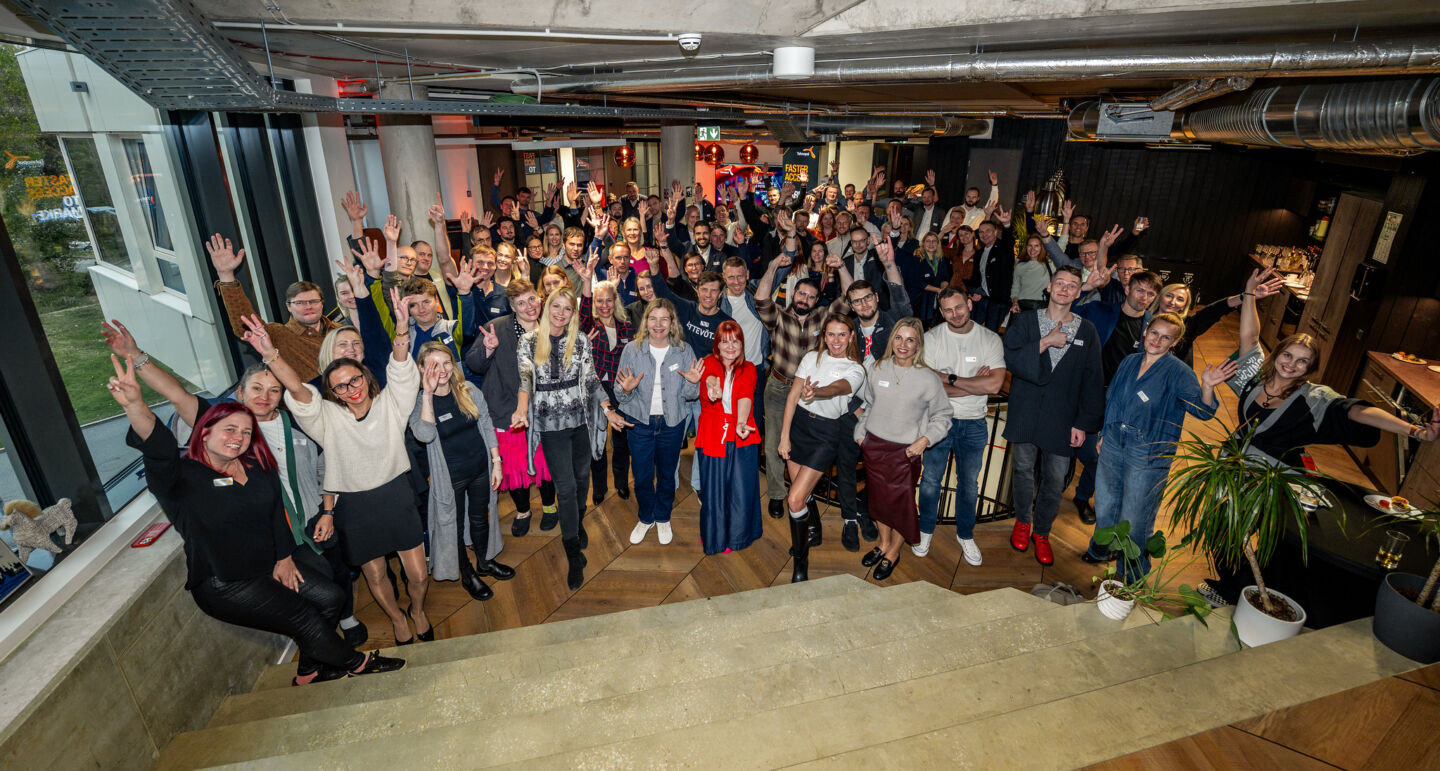
Tehnopol’s mentor community came together to strengthen collaboration and share experiences
On 14 October, mentors from a wide range of fields gathered at Tehnopol’s office to share experiences, exchange ideas and strengthen collaboration within the community. The event provided an opportunity to learn...
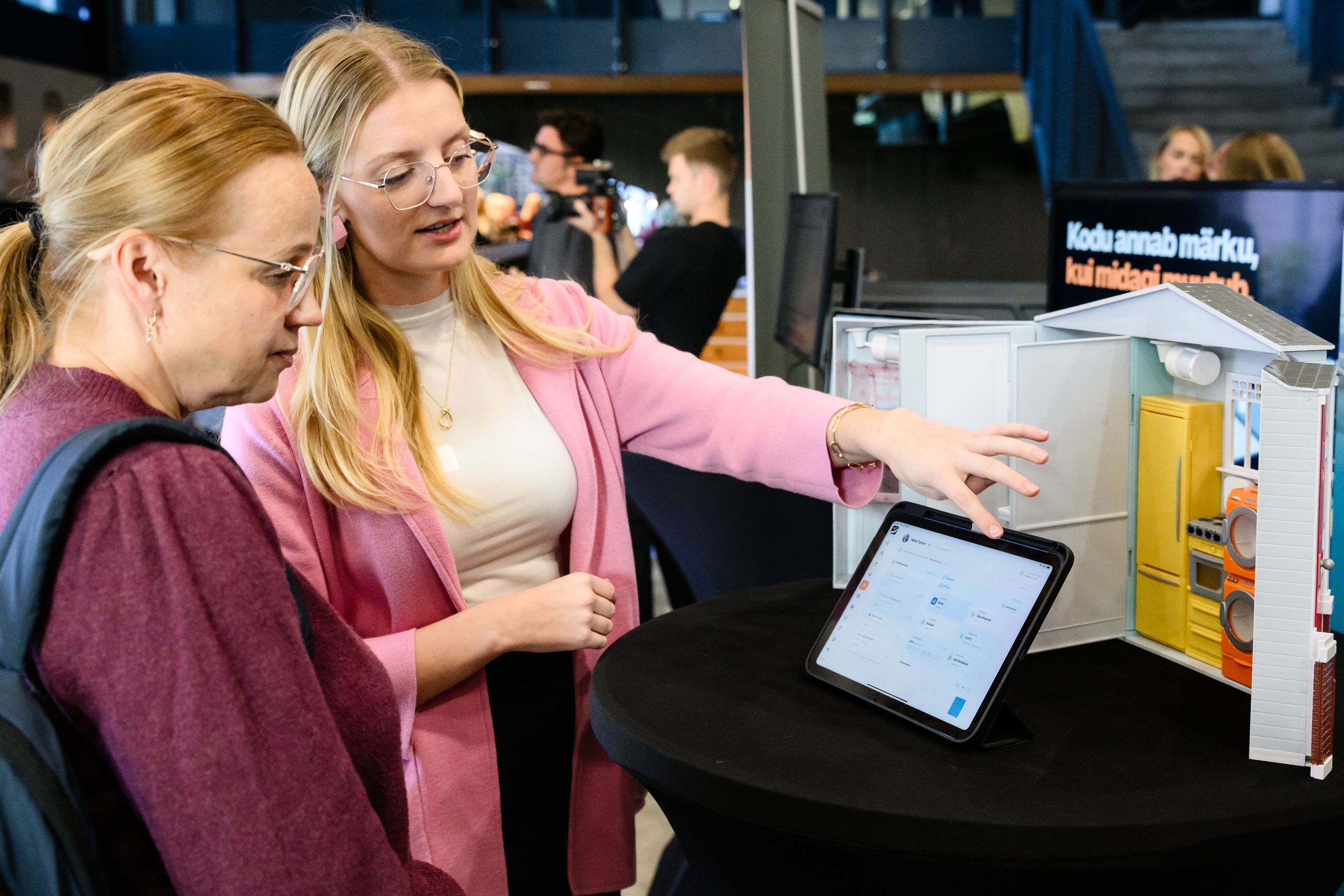
From medication robots to smart sensors: New solutions to support older people’s independence showcased at Demo Day
At the Welfare Technology Development Programme Demo Day, held at the Estonian Academy of Arts on 22 October, 19 teams presented technological solutions designed to help older people and adults with disabilities...
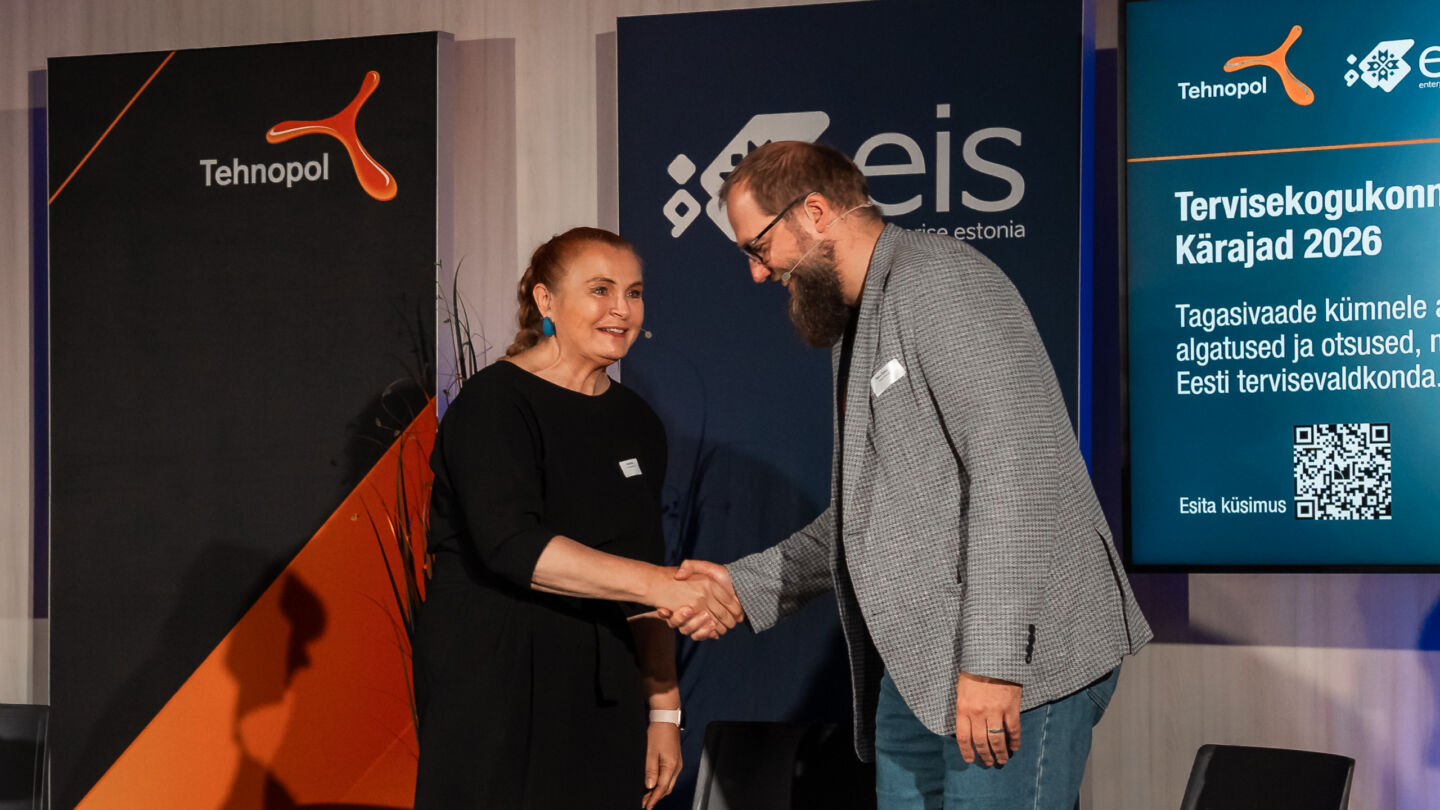
The next leap forward in Estonian healthcare depends on collaboration and a willingness to change
Estonia is seeing more healthtech companies and new solutions emerge than ever before, but the healthcare system’s capacity to adopt them has not kept pace. At a panel discussion during Tervisekogukonna Kärajad,...